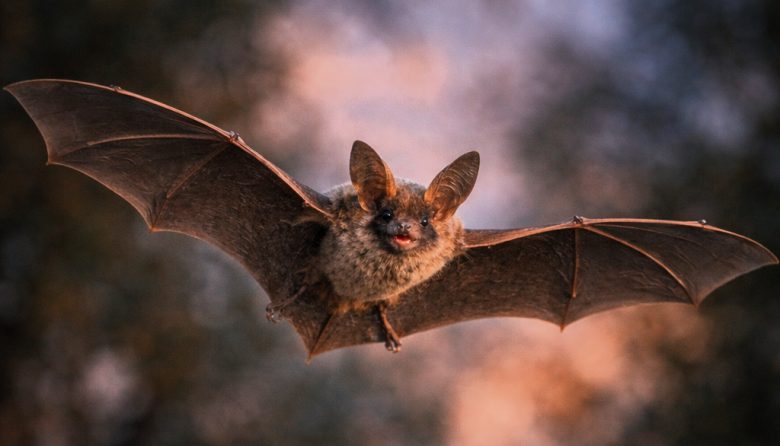
The specter of rabies, a disease long associated with the image of a foaming-at-the-mouth animal, is undergoing a subtle but significant shift in its epidemiology. While canine-mediated rabies remains a concern in many parts of the world, a growing proportion of human cases are now linked to bat-transmitted rabies, particularly in Latin America. This change underscores the complex relationship between bats, viruses, and public health, demanding a renewed focus on surveillance, prevention, and a “One Health” approach that integrates animal and human health considerations. Understanding the unique dynamics of bat-borne rabies is crucial for protecting both human and animal populations.
Bats, unlike many other mammals, have coevolved with Lyssaviruses – the family encompassing the rabies virus – for millennia. This prolonged interaction has resulted in a remarkable adaptation: bats can often carry the virus and shed it in their saliva without immediately exhibiting the acute neurological symptoms characteristic of rabies in other species. This asymptomatic carriage makes bats a unique reservoir for the virus, complicating surveillance and control efforts. The genus Lyssavirus, belonging to the family Rhabdoviridae, includes a diverse range of viruses, each with varying degrees of virulence and host specificity. The International Committee on Taxonomy of Viruses (ICTV) provides a comprehensive classification of these viruses, highlighting their genetic diversity and evolutionary relationships.
The Two Faces of Bat-Borne Rabies: Aerial and Rural Cycles
From an epidemiological perspective, two primary transmission cycles involving bats have been identified. The first, often referred to as the “aerial” or “silvatic” cycle, primarily involves insectivorous, frugivorous, and nectarivorous bats. Transmission to humans in this cycle is typically accidental, occurring through direct contact with infected bats – either living or deceased – through bites or scratches. This cycle is characterized by sporadic cases and often involves individuals exploring caves or handling bats found on the ground. The second cycle, known as the “rural” or “paralytic” rabies cycle, is driven by the vampire bat (Desmodus rotundus). This hematophagous species, found throughout Latin America, transmits rabies to livestock – primarily cattle and horses – resulting in significant economic losses for the agricultural industry. Wikipedia’s entry on Lyssavirus details the various species within the genus and their geographic distribution.
Transmission and Pathogenesis: A Veterinary Perspective
Rabies is primarily transmitted through the inoculation of infected saliva via bites, though transmission through scratches is less common. Recognizing the signs of rabies in bats is critical for veterinary professionals and public health officials. Infected bats often exhibit abnormal behavior, including diurnal activity (being active during the day), difficulty flying, disorientation, or being found grounded. These signs should be considered high-risk indicators. Domestic animals – dogs and cats – can act as intermediate hosts, contracting rabies from infected bats and subsequently transmitting it to humans. This indirect transmission pathway highlights the importance of vaccinating pets and preventing them from interacting with bats. The virus isn’t monolithic; genetic variations exist, adapted to different bat species, necessitating ongoing genomic and epidemiological surveillance.
Veterinarians play a crucial role in post-exposure prophylaxis. According to established protocols, any domestic animal presenting with unexplained wounds and potential bat exposure should immediately receive rabies post-exposure treatment. This typically involves a series of vaccinations and, in some cases, rabies immunoglobulin. Prompt action is vital, as the incubation period for rabies can vary significantly, ranging from weeks to months.
Shifting Epidemiology and Global Surveillance
Data from the World Health Organization (WHO) and the Pan American Health Organization (PAHO) reveal a concerning trend: in recent decades, bat-transmitted rabies has surpassed dog-mediated rabies as the primary cause of human rabies cases in several Latin American countries. This epidemiological shift necessitates a reevaluation of prevention and control strategies. Research published in F1000Research emphasizes the importance of understanding the evolutionary history of lyssaviruses and their adaptation to different bat species. Effective surveillance programs are essential for monitoring viral variants and tracking the spread of the disease.
The “One Health” Approach and the Veterinarian’s Role
Addressing the challenge of bat-borne rabies requires a “One Health” approach – a collaborative, multidisciplinary strategy that recognizes the interconnectedness of human, animal, and environmental health. Veterinarians are central to this approach, functioning not only as clinicians but also as educators and community health advocates. Promoting annual vaccination of dogs and cats is paramount, ensuring they maintain adequate immunity against rabies regardless of their access to the outdoors. Equally important is educating the public about the risks associated with bats and the importance of avoiding contact with bats exhibiting abnormal behavior. Reporting the discovery of sick or dead bats to local health authorities is crucial for initiating timely investigations and implementing appropriate control measures.
It’s also vital to emphasize that bats play a critical ecological role as insect controllers, pollinators, and seed dispersers. Eradication is not the goal; rather, the focus should be on risk management and safely excluding bats from human dwellings. This can be achieved through bat-proofing homes and other structures, preventing bats from establishing roosts in close proximity to people and livestock.
The Ongoing Challenge and Future Directions
Bat-borne rabies presents a dynamic and complex challenge that demands continuous vigilance, rapid response, and interdisciplinary collaboration. The emergence of new viral variants and the changing ecological landscape necessitate ongoing research and adaptation of control strategies. Investing in diagnostic capabilities, strengthening surveillance networks, and promoting public awareness are essential steps in mitigating the risk of rabies transmission. The continued education of veterinary professionals in protocols for notification, sample collection, and prevention remains one of the most effective tools for preventing fatal outcomes and protecting animal, human, and environmental health.
The global fight against rabies, particularly that transmitted by bats, is far from over. Continued research into the virus’s evolution, improved diagnostic tools, and enhanced public health infrastructure are all vital components of a comprehensive strategy. As our understanding of the complex interplay between bats, viruses, and the environment deepens, we can move closer to eliminating this ancient and devastating disease.
The next key development to watch is the ongoing research into novel rabies vaccines and post-exposure prophylaxis treatments, with several promising candidates currently in preclinical and clinical trials. Stay informed about updates from the WHO and PAHO regarding rabies surveillance and control efforts in your region. Share this information with your community and encourage responsible pet ownership and wildlife awareness.
Related reading