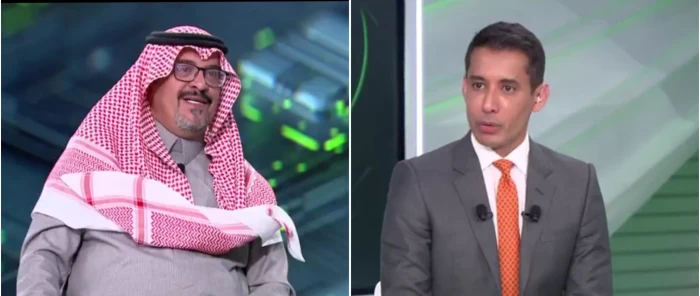
Riyadh, Saudi Arabia – Questions surrounding the circumstances of Mohammed Al-Qasim’s resignation as president of Saudi Arabian football club Al-Taawoun are resurfacing following a pointed interview with prominent sports journalist Batal Al-Qaws. The exchange, which has quickly gained traction online, centers on allegations that Al-Qasim faced undue pressure to step down after repeatedly refusing requests from influential figures within Saudi sport. The incident highlights ongoing concerns about transparency and autonomy within the rapidly evolving landscape of Saudi Arabian football.
During the interview, Al-Qaws directly questioned Al-Qasim, asking if he was “forced to resign because you said ‘no’ more than once to those to whom ‘no’ cannot be said currently in Saudi sport?” The question, delivered with directness, immediately sparked debate across social media platforms. Al-Qasim responded by stating that he was compelled to resign due to “circumstances within the house of Al-Taawoun,” citing internal instability and a shift in the club’s honorary members, which he characterized as an “overthrow.”
The Context of Change in Saudi Football
The exchange between Al-Qaws and Al-Qasim occurs against a backdrop of significant transformation within Saudi Arabian football. The country has been investing heavily in the sport, attracting high-profile international players and hosting major events as part of its Vision 2030 plan, a strategic framework aimed at diversifying the Saudi economy and enhancing its global image. Vision 2030 emphasizes the development of a vibrant sports and entertainment sector. This influx of investment and attention has inevitably led to increased scrutiny and, according to some observers, greater interference in the management of football clubs.
Al-Taawoun, based in Buraidah, is a historically significant club in Saudi football, having won the King’s Cup in 2019. Mohammed Al-Qasim served as the club’s president from 2020 until his resignation in 2023. His tenure coincided with a period of increasing competition and financial investment in the Saudi Pro League, the top tier of Saudi Arabian football. The league has seen a dramatic increase in global attention following the signings of players like Cristiano Ronaldo for Al Nassr in December 2022, and Neymar for Al Hilal in August 2023. Reuters reported on Ronaldo’s signing, marking a turning point in the league’s international profile.
Allegations of Interference and the Power Dynamics in Saudi Sport
Al-Qaws’ question directly alludes to a perceived power imbalance within Saudi Arabian sport, suggesting that certain individuals or entities wield undue influence over club management and decision-making. The implication is that Al-Qasim’s willingness to say “no” to these influential figures ultimately led to his forced resignation. Although Al-Qasim’s response focused on internal club dynamics, the question itself has resonated with many who believe that external pressures are increasingly shaping the landscape of Saudi football. The concept of saying “no” to powerful interests is a sensitive one in many contexts, but particularly so in a region where traditional hierarchies and patronage networks often play a significant role.
The term “overthrow” used by Al-Qasim to describe the situation within Al-Taawoun suggests a more dramatic internal struggle than a simple change in leadership. It implies a concerted effort to remove him from his position, potentially orchestrated by dissenting members of the club’s board or influential stakeholders. Further investigation would be needed to determine the precise nature of these internal conflicts and the extent to which external forces were involved. The Saudi Pro League’s governance structure, and the degree of independence afforded to club presidents, are key factors in understanding these dynamics.
Social Media Reaction and Ongoing Debate
The interview clip quickly spread across social media platforms, generating a significant amount of discussion and debate. Users expressed a range of opinions, with some supporting Al-Qasim and criticizing the alleged interference, while others defended the actions of those who may have pressured him to resign. The hashtag #بتال_القوس_محمد_القاسم (Batal Al-Qaws Mohammed Al-Qasim) trended on Twitter (now X) in Saudi Arabia, demonstrating the widespread public interest in the issue. A Facebook reel of the interview has also garnered significant views and comments.
The incident has also reignited broader conversations about the need for greater transparency and accountability within Saudi Arabian football. Critics argue that the lack of independent oversight and the concentration of power in the hands of a few individuals create an environment ripe for corruption and undue influence. Calls for reforms to the league’s governance structure and increased protection for club officials who challenge the status quo are growing louder.
The Future of Al-Taawoun and Saudi Football
The long-term implications of this controversy remain to be seen. Al-Taawoun has continued to compete in the Saudi Pro League since Al-Qasim’s departure, but the club’s performance has been inconsistent. The incident raises questions about the stability and independence of Saudi football clubs and their ability to operate free from external interference. The Saudi Arabian Football Federation (SAFF) has not yet issued a formal statement regarding the allegations raised by Al-Qaws, but it is likely to come under increasing pressure to address the concerns.
The SAFF, established in 1956, is responsible for governing football in Saudi Arabia and promoting the sport at all levels. It is affiliated with both FIFA and the Asian Football Confederation (AFC). The federation’s ability to maintain the integrity of the league and ensure fair competition will be crucial to the continued success of Saudi football’s ambitious Vision 2030 goals.
As Saudi Arabia continues to invest in its football infrastructure and attract global talent, the need for robust governance and independent oversight will become even more critical. The questions raised by Batal Al-Qaws’ interview serve as a reminder of the challenges that lie ahead and the importance of ensuring that the beautiful game remains a source of national pride and sporting excellence.
The next step in this developing story will likely be a response from the Saudi Arabian Football Federation or further statements from those involved. The public will be watching closely to see how this matter is addressed and what steps are taken to ensure the integrity of Saudi football. Readers are encouraged to share their thoughts and perspectives in the comments section below.