
The Hudson River, once infamous for industrial pollution and sewage overflows, has undergone a remarkable transformation in recent years. By early 2026, water quality improvements have reached a point where officials and environmental groups state that fish from certain sections of the river are safe for human consumption under specific guidelines. This milestone marks a significant shift from decades of advisories warning against eating locally caught fish due to contaminants like PCBs and mercury.
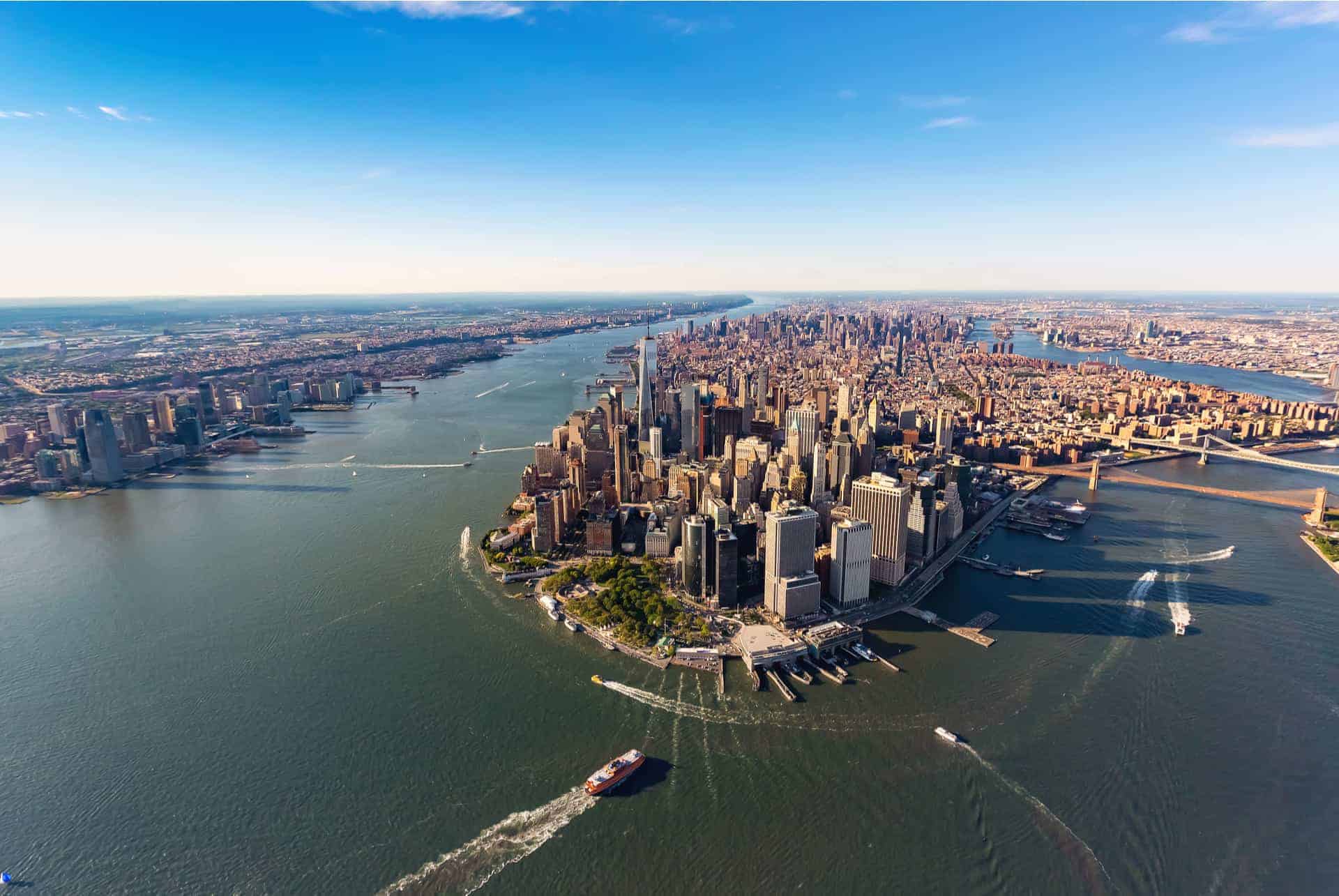
The improvement is attributed to sustained investment in wastewater infrastructure, stricter industrial discharge regulations, and long-term ecological restoration efforts. Organizations such as Riverkeeper and the New York State Department of Environmental Conservation have monitored these changes closely, noting reduced bacterial levels and improved habitat conditions along the river’s length, particularly in the lower Hudson near New York Harbor.
This development has sparked public interest in reconnecting with the river not just as a scenic backdrop but as a living resource. Community events, educational programs, and even experimental dining experiences have begun to explore the idea of locally sourced Hudson River fish and shellfish, always within the bounds of current health advisories. The shift reflects broader urban waterfront revitalization trends seen in cities worldwide.
Scientific Basis for Improved Safety
Water quality in the Hudson River has shown measurable improvement over the past 15 years, according to data collected by the New York State Department of Environmental Conservation (DEC). Regular monitoring indicates declining levels of key pollutants, including polychlorinated biphenyls (PCBs) and fecal bacteria, particularly in the lower estuary.

A 2025 DEC report highlighted that enterococci bacteria levels—a common indicator of sewage contamination—have consistently met EPA swimming standards in many sections of the river during dry weather conditions. This progress is largely due to upgrades to New York City’s combined sewer overflow (CSO) system, which has reduced untreated sewage discharges by over 80% since the 2000s.
Meanwhile, the U.S. Environmental Protection Agency (EPA) continues to oversee the long-term cleanup of PCBs from General Electric’s historical discharges upstream. While sediment remediation remains ongoing, fish tissue studies show a gradual decline in contamination levels in certain species, such as striped bass and American eel, in the lower river.
Guidelines and Ongoing Precautions
Despite these improvements, health authorities maintain specific consumption advisories for Hudson River fish. The New York State Department of Health advises that women under 50 and children under 15 should avoid eating any fish caught from the Hudson River between the Troy Dam and New York City due to lingering PCB concerns.
For others, the state recommends limiting consumption of certain species—for example, no more than one meal per week of striped bass or bluefish from the lower Hudson, and avoiding consumption of hepatopancreas (the “tomalley”) in crabs, where contaminants tend to accumulate. These guidelines are updated annually based on the latest monitoring data.
Anglers and consumers are encouraged to consult the official New York State fish advisories website before eating locally caught fish. The state also provides multilingual resources and outreach programs to ensure diverse communities are informed about safe practices.
Cultural and Economic Impact
The changing perception of the Hudson River as a potential food source has influenced local culture and economy. Waterfront restaurants in Hudson Valley towns and Brooklyn have begun featuring “Hudson-sourced” ingredients on menus, often partnering with licensed fisheries or aquaculture operations that operate under state permits.
Educational initiatives, such as the Billion Oyster Project in New York Harbor, use oyster restoration not only to improve water quality—oysters filter pollutants as they feed—but also to engage students and volunteers in environmental stewardship. While oysters grown in restoration zones are not yet approved for consumption, the project demonstrates the river’s growing ecological capacity.
These efforts align with broader goals of equitable waterfront access and sustainable urban development. Planners and community groups emphasize that a cleaner river supports not only ecology but also recreation, tourism, and local resilience against climate impacts like sea-level rise and flooding.
Challenges and Future Outlook
Progress remains uneven across the river’s 315-mile length. While the lower Hudson benefits from tidal flushing and proximity to treatment infrastructure, upper sections and tributaries still face challenges from agricultural runoff, aging infrastructure, and legacy contaminants.
Climate change introduces additional complexities, including increased rainfall that can overwhelm sewer systems and temporary spikes in bacterial levels after storms. Adaptive management strategies—such as green infrastructure investments and real-time water quality monitoring—are being expanded to address these variables.
Looking ahead, state officials indicate that the next major review of fish consumption advisories will occur in late 2026, following the annual summer monitoring cycle. Any changes to guidelines will be based on updated tissue sampling and water quality data collected by the DEC and partner agencies.
For now, the idea of eating safely from the Hudson River symbolizes a broader environmental recovery—one built on decades of advocacy, regulation, and public investment. As one Riverkeeper representative noted during a 2025 waterfront forum, “We’re not at the finish line, but we can finally see it.”
Worth a look