Navigating Controversy: The BBC, Strictly, and the Boundaries of Casting Choices
The BBC has recently faced scrutiny regarding casting decisions, particularly the inclusion of former apprentice contestant Tom Skinner on this year’s Strictly Come Dancing. This situation highlights a broader conversation about balancing creative risk, audience expectations, and the obligation of public service broadcasting. Let’s delve into the complexities of this issue and what it means for the future of programming.
The Casting Debate: A Closer Look
Questions arose when Skinner’s past social media activity came under the spotlight. He’s previously expressed views some might find controversial, including statements about national pride and safety concerns in London. This naturally led to inquiries about the BBC’s vetting process and the boundaries of acceptable expression for its talent.
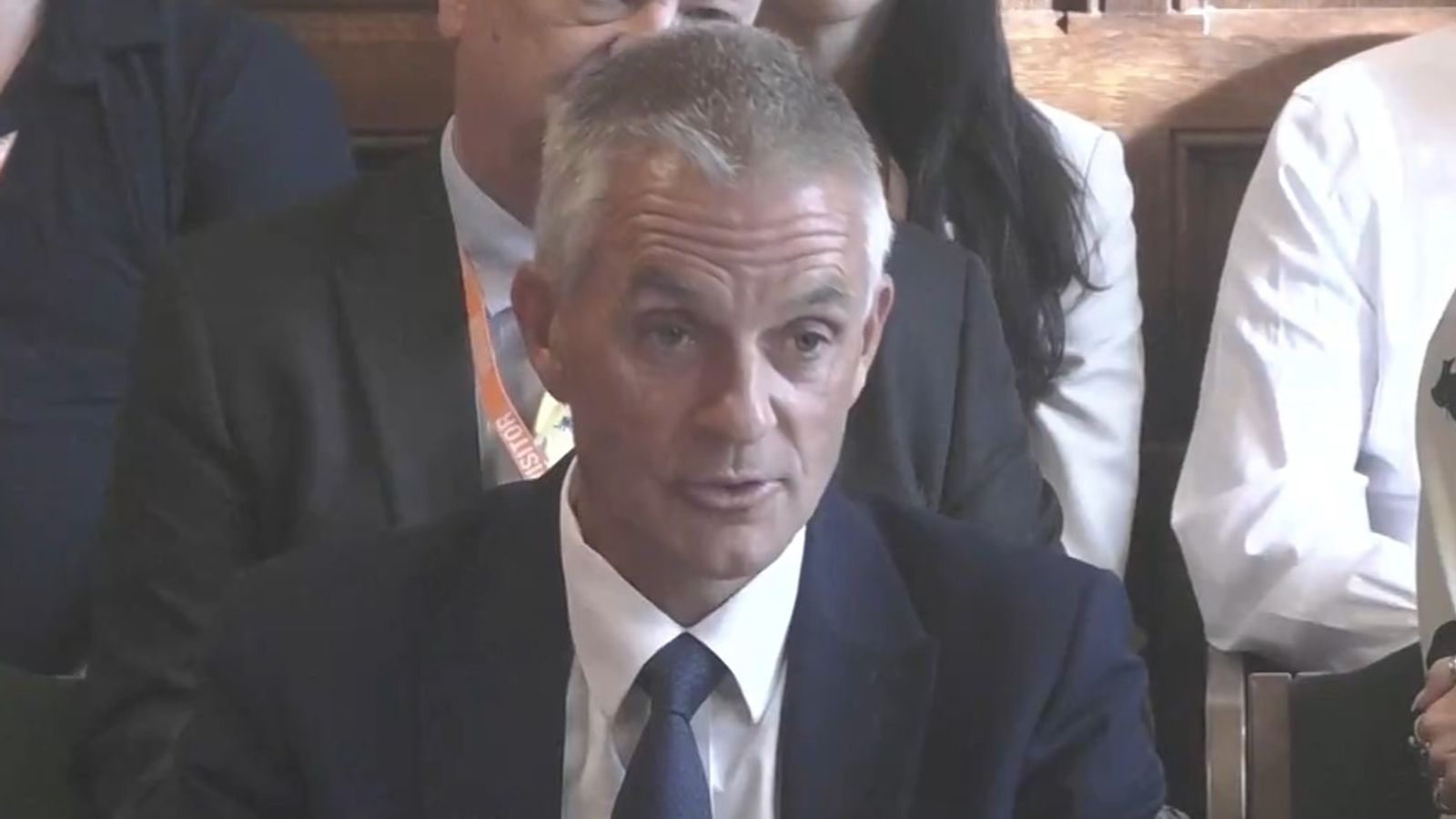
The BBC Director acknowledged the concerns,stating the decision wasn’t his directly,but rested with the production team.They believed Skinner would resonate with the audience,bringing an interesting dynamic to the show.
Defining the Boundaries: What’s Acceptable?
So, where does the BBC draw the line? It’s a delicate balance, and understandably so. The Director emphasized a clear red line: overtly racist or unacceptable broadcasts are grounds for immediate disqualification.
However, he also cautioned against overly restrictive criteria. Wholly excluding anyone who has ever expressed a possibly controversial opinion on social media isn’t practical or, frankly, desirable. You want a diverse range of personalities and perspectives.
Here’s a breakdown of the key considerations:
Zero Tolerance: Explicitly hateful or discriminatory content is unacceptable.
Context Matters: Nuance and intent are crucial when evaluating past statements.
Public Interest: The potential for positive contribution to the program is a factor.
Maintaining Standards: Upholding the BBC’s core values of impartiality and respect is paramount.
The pressure on Public Service Broadcasting
The BBC is under constant public scrutiny, and the Director openly admitted to feeling the pressure. Five years in the top job brings a unique viewpoint on the challenges facing public service broadcasting in a rapidly changing media landscape.
You,as a viewer,expect accountability and transparency. The BBC recognizes this and is striving to navigate these complex issues responsibly. it’s a constant process of evaluation and refinement.
Moving Forward: A More Nuanced Approach
The debate surrounding Tom Skinner’s casting isn’t simply about one individual. It’s about the evolving standards of public discourse and the BBC’s role in shaping that conversation.The BBC appears to be leaning towards a more nuanced approach,one that acknowledges the importance of free expression while upholding its commitment to responsible broadcasting. This means:
Robust Vetting: Thoroughly examining the backgrounds of potential candidates.
Clear Guidelines: Establishing clear criteria for acceptable behavior. Open Dialogue: Engaging in constructive conversations about challenging issues.
Continuous Improvement: Adapting policies and procedures as needed.
Ultimately, the goal is to create programming that is both entertaining and enriching, reflecting the diversity of British society while upholding the highest standards of integrity. It’s a challenging task, but one the BBC is committed to tackling head-on.