The Moral Imperative for Indian Academics: Confronting the crisis in Gaza and Defending Academic Freedom
The recent controversy surrounding a petition signed by Indian scientists to the International Olympiad in astronomy and Astrophysics (IOAA) regarding the situation in Gaza, while seemingly a localized dispute, underscores a far more profound and urgent question: what is the duty of Indian academics in the face of the unfolding humanitarian catastrophe in Palestine? The petition, initiated by concerned scientists independent of the IOAA board, sought to highlight the devastating impact of the conflict. It’s crucial to note the IOAA President acted solely in a procedural capacity,relaying the petition as required,and the organization itself has affirmed its independence from host country influence,emphasizing its commitment to democratic principles.Though, dismissing this as merely an internal matter would be a grave error. It demands a broader reckoning with our ethical obligations as scholars and citizens.A Staggering Human Cost: The Scale of Devastation in Gaza
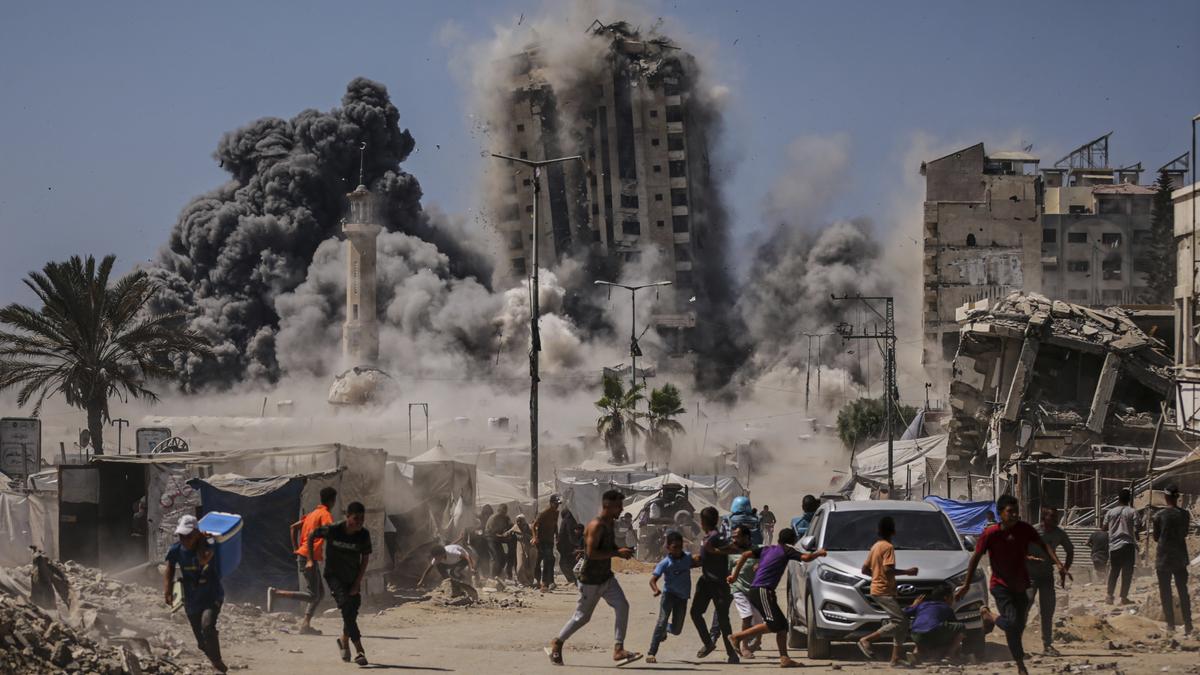
the numbers are stark and harrowing. Since 2023, israel’s military operations in gaza have resulted in the deaths of over 63,000 Palestinians. Leaked Israeli military data suggests a horrifying civilian casualty rate of 83%. Beyond the immediate loss of life, the systematic destruction of infrastructure is creating a long-term humanitarian crisis. Over 90% of schools have been destroyed, and the World Health Organization estimates 94% of Gaza’s hospitals are damaged or non-functional.The situation has deteriorated to the point of officially declared famine by the United Nations, with Secretary-General António Guterres labeling it a “man-made disaster.” UN Under-Secretary General Tom Fletcher poignantly described the absurdity of the crisis: “a famine within a few hundred metres of food,” obstructed by systematic barriers imposed by Israel. Compounding the direct casualties, recent analysis published in The Lancet estimates that the collapse of essential services and widespread food insecurity could lead to three additional deaths for every direct victim – potentially meaning Israel’s actions have contributed to the deaths of over 10% of Gaza’s 2 million inhabitants.Challenging Justifications and Recognizing Historical Roots
The common justification for the ongoing campaign – ensuring israeli security following the october 7th, 2023 attacks – is increasingly undermined. In August 2025, former Israeli security chiefs publicly called for an end to the war, echoing the desperate pleas of families of hostages held in Gaza, frustrated by the government’s stalled negotiation efforts.
Though, the roots of this conflict run far deeper than recent events.Israeli Minister Amichay Eliyahu’s chilling declaration in July – openly stating the government was “rushing toward Gaza being wiped out” – reveals a disturbing continuity in Israeli policy. This echoes a long history of Palestinian dehumanization and denial of their essential right to self-determination, dating back to the Nakba of 1948, when approximately 750,000 Palestinians were forcibly displaced to create the state of Israel.
The brutality of the Nakba was not lost on prominent figures at the time. In a powerful letter to the New York Times, Albert Einstein and other Jewish leaders condemned the violence perpetrated against the palestinian village of Deir Yassin, where “terrorist bands attacked [the] peaceful village…killed most of its inhabitants…and kept a few of them alive to parade as captives.” This letter specifically denounced Menachem begin,a leader of those violent groups who later became Prime Minister of Israel in 1977 and founded the Likud party,which continues to govern Israel today. Understanding this historical context is crucial to comprehending the present crisis.The Duty of Academics: Beyond ‘Business as Usual’
In the face of such profound suffering and historical injustice, it is morally untenable to maintain a posture of detached neutrality. To pretend that scientific inquiry and cultural exchange can proceed “as usual” is a betrayal of our intellectual and ethical responsibilities. As academics and scientists, we have a duty to leverage our positions and expertise to advocate for justice, accountability, and a peaceful resolution. This includes actively pressuring the Israeli government to change its policies and respect international law.
The disheartening response from some of our colleagues – choosing to disregard or actively defend Israel’s actions – is deeply concerning. Even more troubling are the expressions of prejudice found on social media, where some in India deny Palestinians their basic human rights solely based on their religious identity. This reflects a dangerous trend of communal bias that undermines the principles of inclusivity and equality.
A Stand for Democratic Rights and India’s Anti-Colonial Legacy
The debate surrounding the scientists’ petition to the IOAA must be understood as
Related reading