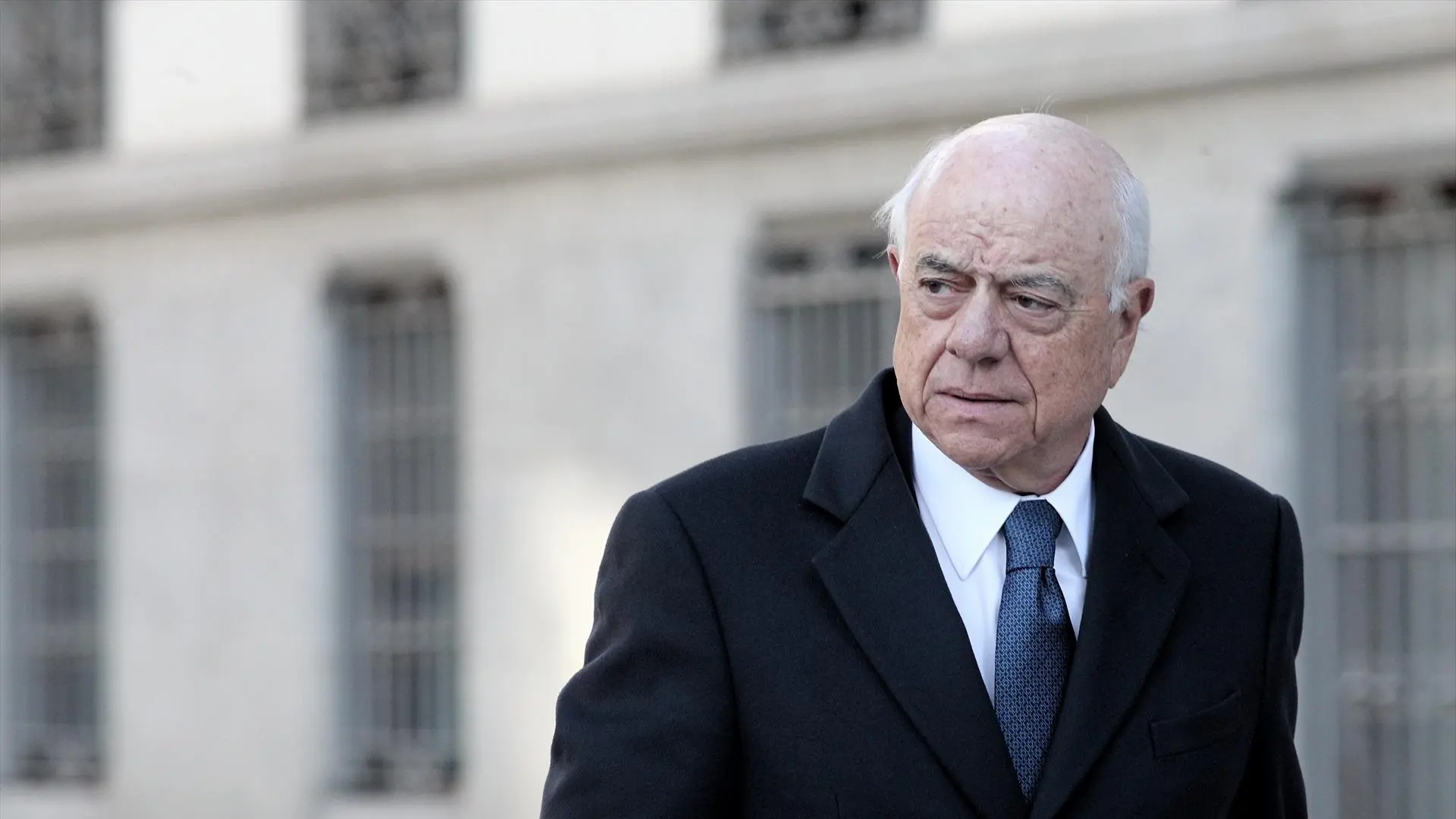
Madrid – A Spanish prosecutor has requested a 173-year prison sentence for former BBVA Chairman Francisco González, alongside substantial fines for the bank itself, in connection with a long-running investigation into alleged illegal spying activities. The case, known as the “Villarejo case,” centers around accusations that BBVA contracted with former police commissioner José Manuel Villarejo to gather compromising information on business competitors, politicians, and journalists.
The request, filed by the Anti-Corruption Prosecutor’s Office, marks a significant escalation in the legal battle surrounding BBVA and its former leadership. The allegations stem from a period between 2004 and 2016, during which Villarejo and his firm, Grupo Cenyt, allegedly conducted surveillance operations on behalf of the bank. The prosecution contends that these actions involved breaches of privacy and the illegal acquisition of confidential information. This case has drawn considerable attention due to the high profile of those involved and the potential implications for corporate governance and ethical conduct within the Spanish financial sector.
BBVA and González Face Serious Charges
According to reports, the Fiscalía Anticorrupción is seeking 173 years imprisonment for González on charges of active bribery and revealing secrets. In addition to González’s sentence, prosecutors are requesting a total of €184.3 million (approximately $198.5 million USD as of March 18, 2026) in fines against BBVA. The charges relate to the alleged apply of funds to pay for the private investigations carried out by Villarejo’s network. The prosecution alleges that BBVA knowingly engaged in these practices to gain a competitive advantage and protect its interests.
The case has been progressing through the Spanish legal system for several years. In February 2026, the Audiencia Nacional, Spain’s national court, confirmed that there was sufficient evidence to proceed with a trial against BBVA and González, rejecting appeals from the bank and its former executives. El País reported on this decision, highlighting the court’s finding that the bank’s leadership was aware of the surveillance operations.
Villarejo and Corrochano Also Face Lengthy Sentences
The prosecution’s request extends beyond González, and BBVA. José Manuel Villarejo himself faces a proposed sentence of 216 years in prison, while Julio Corrochano, BBVA’s former head of security, could receive a 243-year sentence – the most severe penalty sought in the case. Corrochano is accused of playing a key role in coordinating the surveillance operations and facilitating access to sensitive information. These proposed sentences reflect the gravity with which the prosecution views the alleged offenses and the extent of the individuals’ involvement.
The investigation into Villarejo’s activities has uncovered a complex network of alleged illicit dealings, extending beyond BBVA to other prominent Spanish institutions and individuals. Villarejo, a former police commissioner, allegedly leveraged his connections within law enforcement to gather intelligence and engage in questionable practices. The scope of the investigation has led to numerous spin-off cases and legal proceedings.
The Alleged Surveillance Operations
The core of the case revolves around the alleged surveillance operations conducted by Villarejo’s firm, Grupo Cenyt, on behalf of BBVA. Prosecutors claim that these operations involved the illegal interception of communications, the unauthorized access to personal data, and the use of covert surveillance techniques. The targets of the surveillance allegedly included business rivals, politicians who could pose a threat to BBVA’s interests, and journalists investigating the bank’s activities.
The Audiencia Nacional’s decision to proceed with the trial was based on evidence suggesting that BBVA’s leadership was aware of these operations and approved the allocation of funds for them. The court found that the surveillance activities were carried out “without respecting the legality,” utilizing police officials to access private data and confidential sources without proper judicial authorization. RTVE detailed the court’s findings, emphasizing the alleged disregard for legal procedures.
BBVA’s Defense and the Question of Awareness
BBVA has consistently maintained its innocence, arguing that the bank was unaware of the illegal activities carried out by Villarejo and his firm. The bank’s legal team has claimed that any contracts with Grupo Cenyt were for legitimate security services and that there was no intention to engage in unlawful surveillance. However, prosecutors have dismissed these claims as lacking credibility, presenting evidence suggesting that BBVA’s leadership was fully informed about the nature of the operations.
A key point of contention in the case is the effectiveness of BBVA’s internal controls and compliance procedures. The prosecution argues that the bank’s system for preventing and detecting illegal activities was inadequate, allowing the surveillance operations to continue unchecked for over a decade. The Audiencia Nacional agreed, stating that the bank’s prevention and control system was ineffective, leaving the executive presidency and senior management outside of any regulatory control. La Vanguardia reported on this assessment, highlighting the court’s concerns about the bank’s internal governance.
Implications for the Spanish Financial Sector
The BBVA case has sent shockwaves through the Spanish financial sector, raising questions about ethical standards and corporate accountability. This proves the first instance of an Ibex 35 company – Spain’s benchmark stock market index – facing trial in connection with the Villarejo case. The outcome of the trial could have far-reaching consequences, potentially setting a precedent for future investigations into alleged corporate misconduct.
The case also underscores the importance of robust internal controls and compliance procedures within financial institutions. Experts have warned that a lack of effective oversight can create opportunities for illegal activities and damage a company’s reputation. The BBVA case is likely to prompt a review of compliance practices across the Spanish banking sector.
Key Individuals Involved
- Francisco González: Former Chairman of BBVA, facing 173 years in prison.
- José Manuel Villarejo: Former police commissioner and head of Grupo Cenyt, facing 216 years in prison.
- Julio Corrochano: Former head of security at BBVA, facing 243 years in prison.
- Elisa Lamela: Prosecutor from the Fiscalía Anticorrupción leading the case.
What Happens Next?
The case is now set to proceed to trial, although a date has not yet been announced. The trial is expected to be lengthy and complex, involving numerous witnesses and a substantial amount of evidence. Both the prosecution and the defense will present their arguments, and the court will ultimately decide whether BBVA and its former executives are guilty of the charges. The outcome of the trial will have significant implications for all parties involved and for the broader Spanish financial landscape.
The next key development will likely be the scheduling of the trial date by the Audiencia Nacional. Further updates and legal filings are expected in the coming months as the case progresses. The public and financial markets will be closely watching the proceedings, as the outcome could have a lasting impact on BBVA’s reputation and financial performance.
Do you have thoughts on this developing story? Share your comments below, and be sure to share this article with your network.