
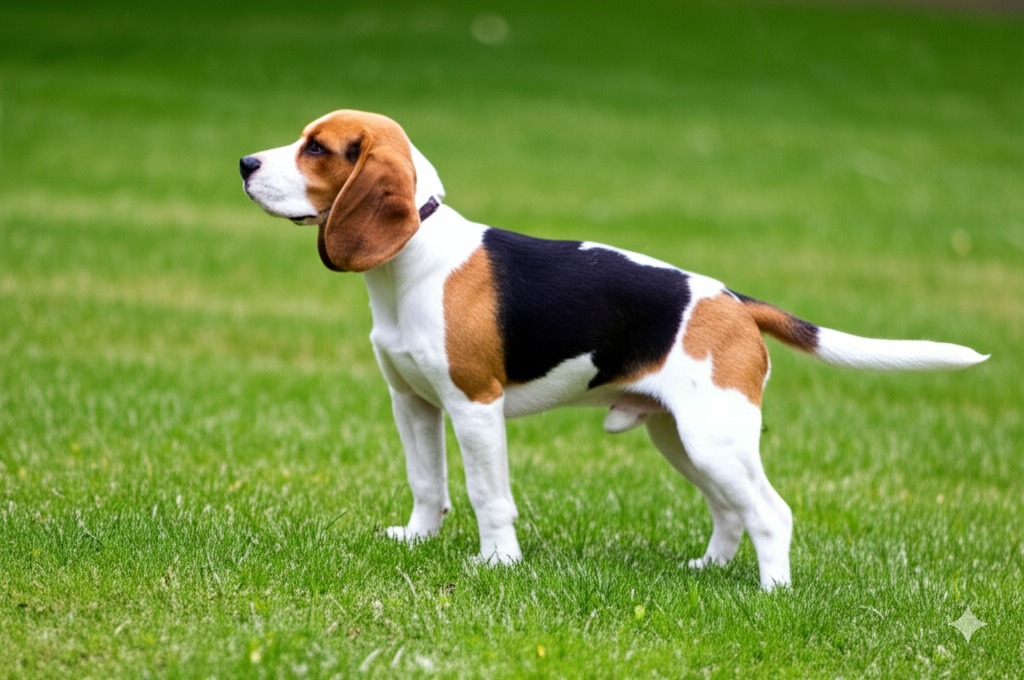
For many dog lovers, the Beagle represents the quintessential family companion: soulful eyes, floppy ears, and a cheerful, outgoing disposition. Popularized globally by cultural icons like Snoopy, the breed is celebrated for its friendliness and boundless energy. However, any seasoned Beagle owner will tell you that the road to a “well-behaved” dog is often paved with distractions—specifically, the irresistible allure of a scent trailing across a backyard.
Even as Beagles are often labeled as stubborn or “selective” in their listening, they are entirely capable of being relatively obedient. The secret lies in understanding that a Beagle does not view the world through a lens of command and control, but through a lens of curiosity and reward. For these scent hounds, obedience is not about submission; it is about a mutually beneficial agreement between the dog and the handler.
Achieving a level of obedience where a Beagle consistently follows directions requires a shift in strategy. By leveraging their natural instincts and intense food motivation, owners can transform a distracted pup into a focused companion. This process involves a combination of positive reinforcement, environmental management, and a deep understanding of the breed’s physiological needs.
The Psychology of the Scent Hound: Why Beagles “Tune Out”
To train an obedient Beagle, one must first understand the biological drive of the scent hound. Beagles were bred for tracking hare and rabbit, meaning their brains are hardwired to prioritize olfactory information over almost everything else. When a Beagle catches a scent, they enter a state of “scent-lock,” where their focus narrows entirely to the trail. In these moments, a verbal command—no matter how firmly delivered—can feel like background noise to the dog.
This is often misinterpreted as stubbornness or defiance. In reality, the Beagle is simply following its primary evolutionary purpose. The challenge for the owner is to make the reward for obedience more compelling than the reward of the hunt. Because Beagles are highly social and food-driven, they are prime candidates for positive reinforcement training. Rather than punishing the distraction, successful trainers reward the “check-in”—the moment the dog chooses to look away from the scent and back at the owner.
Consistency is the cornerstone of this process. Beagles thrive on predictable routines and clear boundaries. When rules shift or commands are inconsistent, the dog will naturally default to its own instincts. Short, high-energy training sessions that end on a positive note are far more effective than long, repetitive drills that lead to boredom and mental fatigue.
Leveraging Food Motivation for Better Obedience
One of the most powerful tools in a Beagle owner’s arsenal is the breed’s legendary appetite. Beagles are famously food-motivated, a trait that can be a double-edged sword but is an invaluable asset during training. Using high-value treats—small pieces of cooked chicken, freeze-dried liver, or specialized training treats—can create a strong association between “listening” and “winning.”

However, this strategy requires a careful balance. Because Beagles are highly prone to weight gain, owners must be mindful of the caloric intake associated with treat-heavy training. A common professional technique is to use a portion of the dog’s daily kibble for training rewards rather than adding extra treats on top of their regular meals. This maintains the motivation while protecting the dog’s health.
To build a truly obedient Beagle, training should move through three distinct phases:
- Low-Distraction Environment: Start training inside the home where We find fewer smells to compete for the dog’s attention.
- Controlled Distraction: Move to a fenced yard or a quiet park, introducing mild distractions while rewarding focus.
- Real-World Application: Practice commands in high-stimulus environments, such as busy streets or hiking trails, where the “scent-lock” is most likely to occur.
Balancing Training with Health and Weight Management
Obedience is not just a matter of mental training; it is closely tied to a dog’s physical well-being. A Beagle that is bored, under-exercised, or physically uncomfortable is far less likely to be obedient. Beagles possess immense stamina and require significant daily physical and mental stimulation to prevent the development of destructive behaviors born from boredom.
Weight management is a critical component of a Beagle’s overall health. Due to their appetite and tendency to overeat, Beagles are frequently identified as a breed at high risk for obesity. Carrying excess weight not only puts a strain on their cardiovascular system but also exacerbates joint issues. According to veterinary standards, maintaining a lean body condition is essential to prevent the onset of mobility problems via the American Kennel Club.
Specifically, Beagles can be predisposed to certain orthopedic and neurological conditions that may impact their ability to follow physical commands. These include hip dysplasia and intervertebral disc disease (IVDD), which can cause pain and reluctance to move in certain ways. When a dog is in pain, they may appear “disobedient” when they are actually experiencing physical limitation. Regular veterinary check-ups and a diet low in unnecessary fats and calories are vital for ensuring that a Beagle is physically capable of the activity required for successful training.
A holistic approach to obedience therefore includes:
- Daily Exercise: At least one hour of active walking or play to burn off excess energy.
- Mental Stimulation: Using puzzle toys or “scent perform” games that allow the dog to use its nose in a controlled, rewarding way.
- Dietary Control: Utilizing low-calorie treats and strictly managing meal portions to avoid obesity.
Key Takeaways for Beagle Owners
| Focus Area | The Challenge | The Solution |
|---|---|---|
| Attention | Scent-driven distractions | High-value rewards for “checking in” |
| Motivation | Selective hearing | Positive reinforcement and consistency |
| Physical Health | Prone to obesity | Calorie-controlled treats and daily exercise |
| Joint Care | Risk of IVDD/Hip Dysplasia | Weight management and regular vet screenings |
The Long-Term Reward of a Bonded Beagle
While the process of training a Beagle requires more patience than training a Golden Retriever or a Border Collie, the reward is a uniquely loyal and affectionate companion. The “relatively obedient” Beagle is not one that has lost its spirit or its curiosity, but one that has learned to trust its owner as the primary source of reward and security.

The bond formed through positive reinforcement is far stronger than one built on coercion. When a Beagle chooses to ignore a fascinating scent in the grass to look back at its owner, it is a sign of a deep emotional connection and mutual respect. By respecting the breed’s instincts while providing firm, loving guidance, owners can enjoy the best of both worlds: the adventurous spirit of a hound and the reliability of a well-trained pet.
For those currently struggling with a “stubborn” Beagle, the next step is to evaluate the value of the reward being offered. If the scent of a squirrel is more valuable than a dry biscuit, the dog will choose the squirrel every time. By upgrading the reward and consistently reinforcing the desired behavior, any Beagle can become a proud member of the “obedient” club.
Owners are encouraged to share their training successes and challenges in the comments below, or share this guide with fellow Beagle enthusiasts to facilitate create happier, healthier hounds worldwide.