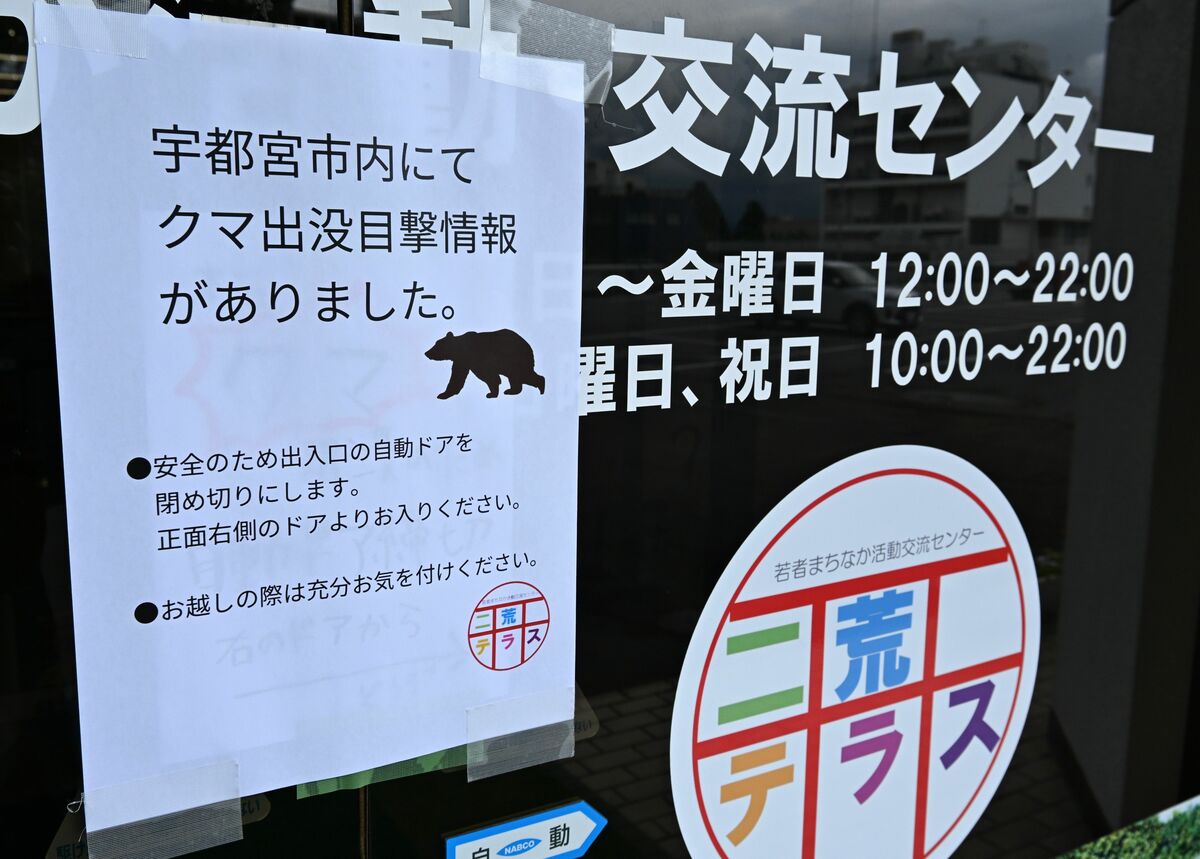
Residents in Utsunomiya, Japan, are facing increased anxiety as reports of bear sightings in urban areas have triggered widespread concern. The presence of these large carnivores in residential districts has led to the cancellation of local community events and a sharp rise in the purchase of protective equipment, as citizens remain on high alert for further activity.
Understanding Bear Activity in Residential Areas
The recent sightings in Utsunomiya highlight a broader challenge regarding human-wildlife coexistence in the Northern Hemisphere. According to the Encyclopedia Britannica, bears are typically solitary, wide-ranging animals that occasionally venture into human habitats in search of food. While their behavior is often driven by the need for foraging, their presence in densely populated urban centers poses significant safety risks to the public.
The family Ursidae includes eight extant species, with diverse dietary habits ranging from the mostly carnivorous polar bear to the omnivorous species common to temperate regions. In urban settings, the primary attractants for bears include unsecured waste, fruit trees, and other accessible food sources. Wildlife experts consistently advise that maintaining distance and securing attractants are the most effective methods for mitigating human-bear conflicts.
Public Response and Safety Measures
The community response in Utsunomiya has been swift. With reports of bears wandering into city limits, local organizations have prioritized public safety by cancelling planned outdoor gatherings. This cautious approach reflects an effort to prevent accidental encounters that could result in injury to both humans and the animals involved.
Retail data indicates a notable surge in demand for bear-deterrent products, including noise-making devices and bear spray. These tools are frequently cited by wildlife agencies as essential components for hikers and residents in regions where bear populations are active. For those living in affected areas, local authorities often provide specific safety protocols, such as keeping pets indoors, ensuring that garbage is stored in bear-resistant containers, and remaining vigilant during dawn and dusk hours, which are peak times for animal movement.
Biological Context and Species Behavior
To better understand the animals involved, it is helpful to look at the general characteristics of the family Ursidae. As detailed by the Wikipedia entry on bears, these mammals possess a keen sense of smell, which they use to locate food over long distances. Despite their heavy build, they are surprisingly agile, capable of running at high speeds and climbing trees when necessary.

While the specific species involved in the Utsunomiya sightings are subject to ongoing monitoring by local wildlife officials, it is essential for the public to recognize that all bear species can be unpredictable when they feel threatened or are focused on foraging. The territorial nature of many bear species means that they may defend food sources or their young if they feel cornered, making non-intervention the safest course of action for civilians.
Next Steps for Residents
As the situation develops, the primary objective for city officials remains the safe relocation or deterrence of the bears from urban sectors. Residents are encouraged to monitor official communications from the Utsunomiya municipal government for the most current updates regarding sightings and safety advisories.
If you have witnessed bear activity or have concerns regarding safety in your neighborhood, please report these incidents to local law enforcement or animal control services immediately. Engaging with local community forums can also provide residents with real-time information on how to protect their homes and families. We invite our readers to share their thoughts or experiences regarding local wildlife management in the comments section below.