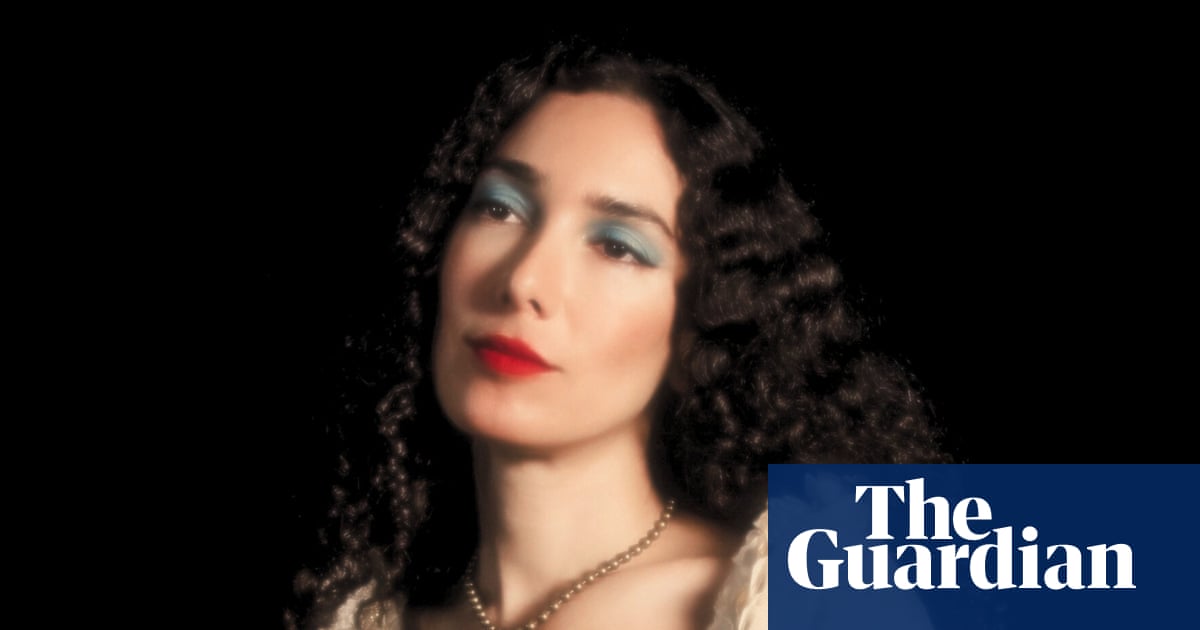
Singer-songwriter Azniv Korkejian, known professionally as Bedouine, reflects on the complexities of identity and displacement in her latest musical work. Drawing from a personal history that spans Armenia, Syria, and Saudi Arabia before her eventual relocation to the United States, Korkejian uses her fourth album, Neon Summer Skin, to explore the tension between childhood safety and the precarious reality of life outside the Middle East. For Korkejian, the music serves as a vehicle to articulate the profound, lingering sadness that often follows the experience of escaping conflict.
The Roots of Displacement and Safety
Korkejian’s upbringing was defined by a series of geographic transitions. Born to Armenian parents in Syria, she spent her early years in Saudi Arabia, where her family resided on a United States-managed compound. She has described this environment as being akin to a gated community, providing a sense of insulation from the surrounding regional instability until the family’s departure in 1995. The family relocated to the United States after successfully applying for the green card lottery, a move prompted by their proximity to the Gulf War.

“And thank God, because we would eventually have had to return to Syria,” Korkejian says. “I don’t know what would have happened to us then.”
This history of migration informs the thematic core of Neon Summer Skin. While the album is characterized by a 1970s soft-pop aesthetic reminiscent of artists like Carole King, the lyrical content addresses the lack of security experienced by many in the Middle East. The title track functions as an exploration of a “perfect day” from her youth, capturing a time before geopolitical instability became a primary concern. However, she notes that the record is not merely nostalgic.
“I wanted to paint a picture of what it’s like to feel safe,” she explains. “So much of the record is about not having the luxury to not consider your own safety. I think about this a lot when it comes to the children in Palestine and Lebanon, who are not afforded that right.”
Identity and the ‘Long Tail of Sadness’
For Korkejian, the act of living in the diaspora involves a persistent awareness of the conflicts impacting her ancestral homelands. The album bridges the gap between her current life in Los Angeles and the realities faced by those in the Middle East. By wrapping themes of identity and insecurity in a deceptive, mellow sound, she highlights the contrast between the relative tranquility of her present life and the trauma that remains a background constant for her and her family.
:max_bytes(150000):strip_icc()/cityscape-of-the-los-angeles-skyline-at-dusk-los-angeles-california-united-states-of-america-north-america-530065311-57924bb33df78c17348ace09.jpg "Identity and the ‘Long Tail of Sadness’")
“You escape the slaughter,” she observes regarding the nature of displacement. “But there’s a long tail of sadness.”
This perspective underscores the broader intent of her work: to provide a space for reflection on the human cost of conflict. Through Neon Summer Skin, Korkejian invites listeners to consider the privilege of safety while acknowledging the enduring emotional impact of displacement on those who have moved across borders to rebuild their lives.
Looking Ahead
As Korkejian continues to promote her latest project, her work remains a significant contribution to the conversation surrounding the Middle Eastern diaspora. Her ability to synthesize personal history with global events highlights the ongoing relevance of storytelling in music. Fans and critics interested in her upcoming tour dates or further commentary on her creative process are encouraged to follow official announcements through her verified social media channels or her official website.
What are your thoughts on how artists use their personal history to address global conflicts? Share your perspectives in the comments section below.
Worth a look