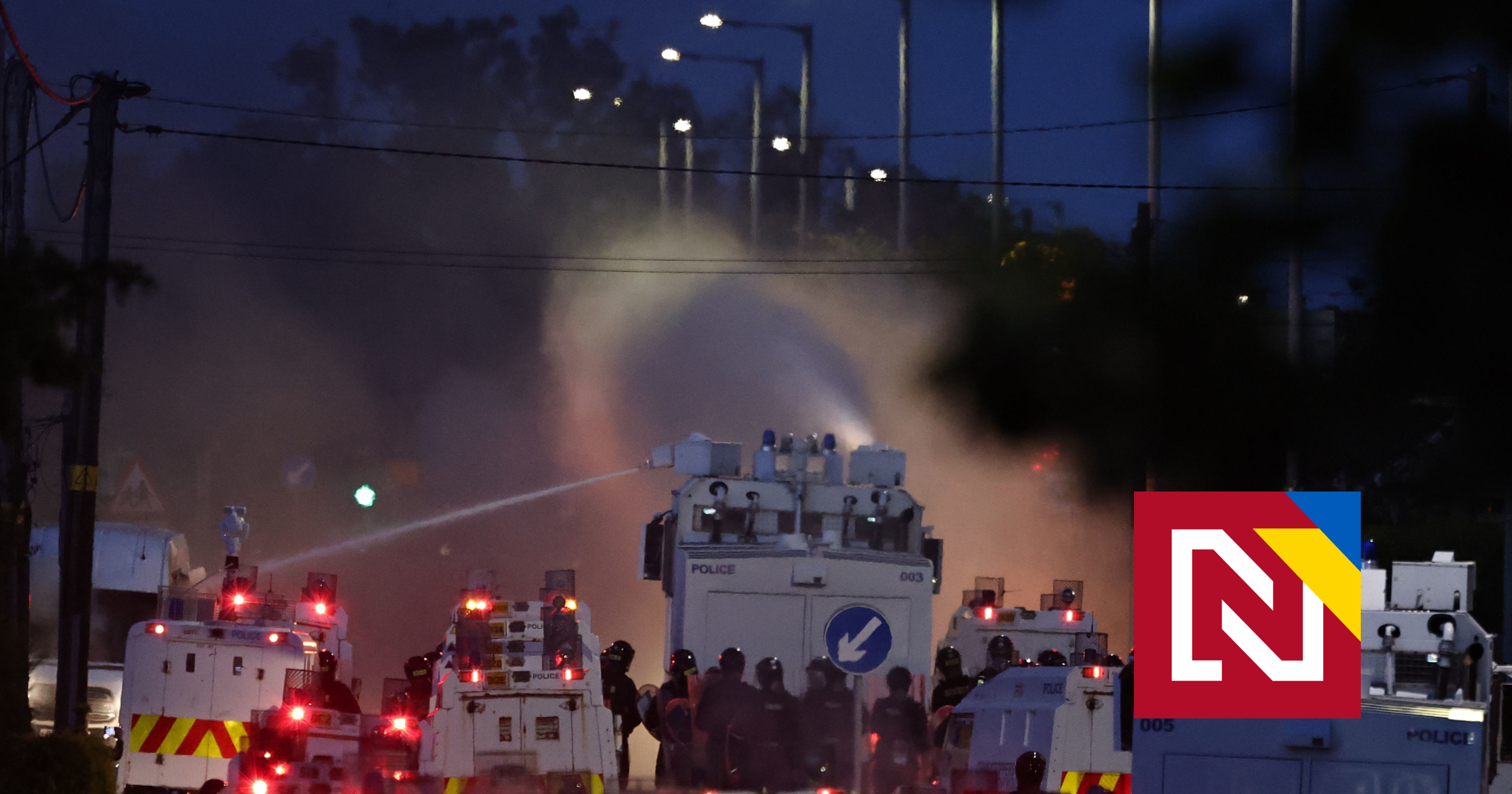
Recent civil unrest in Belfast has highlighted deep-seated tensions regarding immigration and community identity in Northern Ireland, following a series of violent incidents that drew international attention. Police in Northern Ireland have confirmed that multiple individuals were targeted in attacks over several days, leading to significant public disorder and a heightened security presence across the city. According to reports from the Police Service of Northern Ireland (PSNI), officers have faced sustained hostility while attempting to manage demonstrations and prevent further escalation of violence in various neighborhoods.
The unrest, which began in early August 2024, followed a period of heightened rhetoric surrounding migration policies in the United Kingdom. The violence in Belfast coincided with broader disturbances across several British cities, often fueled by misinformation circulated on social media platforms. The UK government has officially condemned the violence, with officials emphasizing that those responsible for criminal acts would face the full force of the law. As of mid-August, the PSNI reported dozens of arrests in connection with the rioting, which saw businesses damaged and individuals injured during clashes between opposing groups.
The Role of Online Discourse and International Commentary
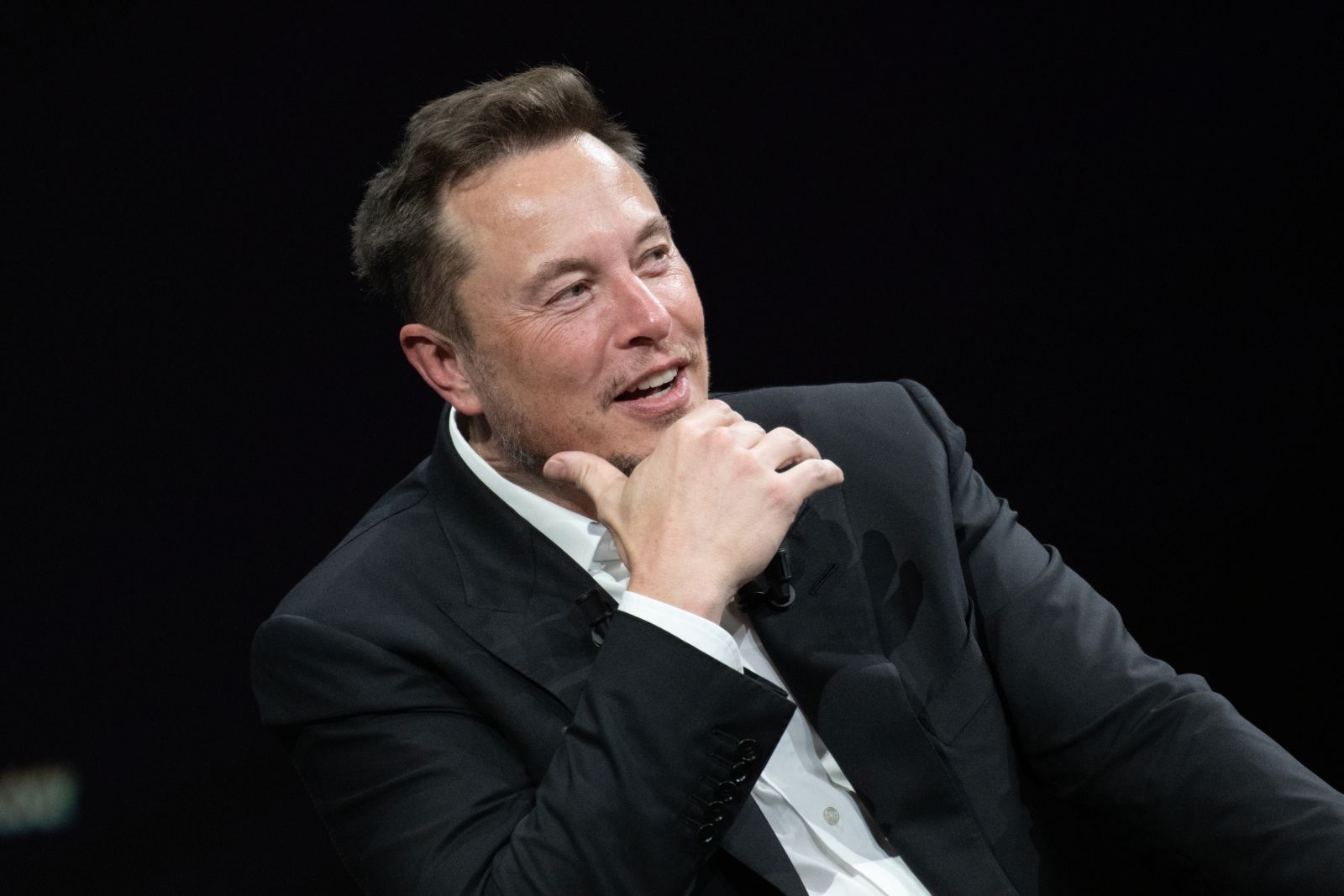
The intensity of the protests in Belfast and across the UK has been underscored by the role of high-profile social media commentary. Elon Musk, the owner of the platform X, faced significant criticism from UK government ministers after suggesting that civil war in the country was “inevitable.” According to reports from the BBC, Labour Party officials and government spokespeople rejected these characterizations, labeling them inflammatory and detached from the reality of the policing efforts on the ground. The UK government maintained that law enforcement agencies were effectively managing the situation, which was largely driven by organized agitation rather than widespread civil unrest.
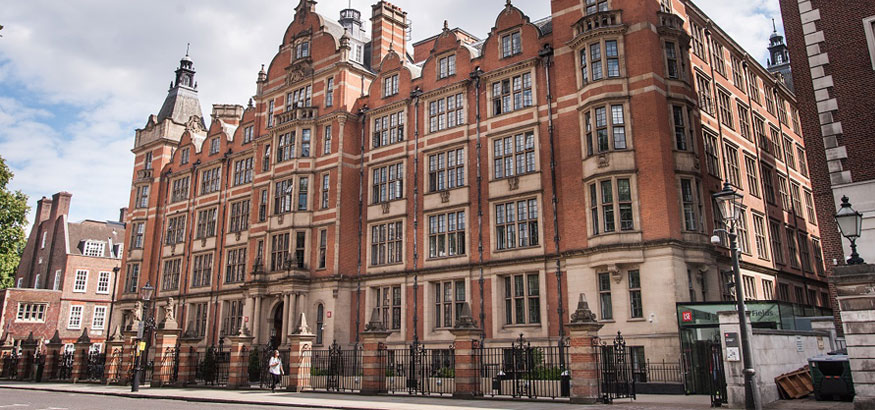
Conor McGregor, a prominent Irish athlete, also drew public scrutiny for his social media posts regarding the events in Belfast. His commentary, which urged for stricter border controls and criticized current migration policies, sparked a polarized reaction. Analysts have noted that such high-profile interventions often serve to amplify local tensions, turning localized community grievances into flashpoints for global debates on national identity and globalization. The impact of these digital contributions remains a subject of debate, with researchers from the London School of Economics suggesting that social media algorithms often prioritize emotionally charged content, which can exacerbate existing societal divisions during times of crisis.
Contextualizing Identity and Security in Northern Ireland
Northern Ireland presents a unique environment for civil unrest due to its complex history of sectarian division. While the current disturbances are framed primarily around immigration, local observers point to the underlying fragility of the region’s peace processes. The Good Friday Agreement of 1998 established a framework for power-sharing that remains the bedrock of stability in the region. However, the resurgence of street-level violence has led to concerns about the potential for these new tensions to intersect with historical communal divides, a fear that has been voiced by various political leaders in the Northern Ireland Assembly.
The PSNI continues to operate under significant pressure, attempting to balance the right to protest with the necessity of maintaining public safety. Authorities have utilized various measures, including increased patrols and the deployment of specialized tactical units, to deter further violence. According to the latest PSNI performance data, the force is currently managing a backlog of investigations related to the August unrest, with the primary objective being the identification and prosecution of individuals involved in specific acts of assault and property damage. The long-term impact on community relations in Belfast remains uncertain as local leaders engage in efforts to de-escalate tensions.
Pathways to Stability and Future Outlook
Addressing the root causes of the recent violence involves navigating both immediate security concerns and broader political questions. The UK government has stated that its primary focus remains the restoration of order and the protection of vulnerable communities. Future legislative actions regarding immigration are expected to be debated in the House of Commons, where the government faces pressure to demonstrate that it has control over national borders while also addressing the social integration of migrant populations. As noted by the Equality Commission for Northern Ireland, fostering dialogue between different community groups is essential to preventing the hardening of these divisions.

Residents and community organizers are now looking toward the next few weeks as a critical period for stability. The PSNI has scheduled regular updates regarding ongoing investigations and has urged the public to rely on official sources for information to avoid the spread of further misinformation. Those seeking to stay informed on the security situation or to report incidents can consult the official PSNI reporting portals. Continued monitoring of these developments will be necessary to determine whether the unrest represents a temporary spike in agitation or a more permanent shift in the landscape of Northern Irish social politics. We invite our readers to share their perspectives in the comments section below as we continue to follow this developing story.
Related reading