A massive new spectacle staged at Barcelona’s Sagrada Família has ignited a fierce debate among residents and cultural critics, pitting the celebration of Antoni Gaudí’s architectural legacy against growing concerns over the city’s commercialization and the impact of mass tourism. While supporters view the event as a triumphant milestone for the basilica, others have characterized the increasing scale of such displays as a “curse” on the local community.
The event, which has been described by local media as a major promotional campaign for Barcelona, features high-tech elements and large-scale productions designed to showcase the basilica’s progress. The scale of the production has drawn comparisons to the grandeur of an Olympic Games opening ceremony, according to reports from Spanish media outlets such as ABC and El Periódico.
A Secretly Prepared Spectacle
The creation of the Sagrada Família spectacle involved intensive, private preparations to ensure the technical complexity of the show met international standards. The creator of the production revealed that rehearsals were conducted in secret within the Empordà region to maintain the element of surprise and manage the logistical demands of the performance.
.jpg "A Secretly Prepared Spectacle")
The production utilizes advanced visual technology to highlight the intricate details of Gaudí’s unfinished masterpiece. According to La Vanguardia, the organizers aimed to create an immersive experience that bridges the gap between the basilica’s religious significance and its status as a global cultural icon. This approach has been framed by some as the most significant promotional effort for the city since the 1992 Olympic Games.
The Tension Between Blessing and Curse
The reception of the event has been sharply divided, reflecting a broader social rift in Barcelona. For many, the ability to witness the “apotheosis” of Gaudí’s dream is a spiritual and cultural blessing. Supporters argue that the spectacle brings much-needed international attention to the ongoing construction and the religious importance of the basilica.
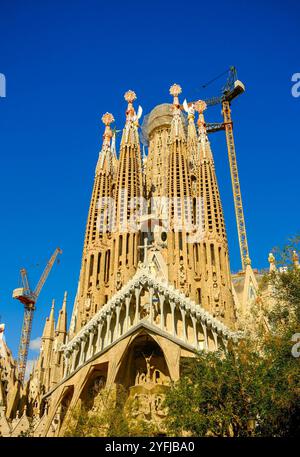
However, a significant segment of the population views the increasing “spectacularization” of the site with skepticism. Critics have voiced concerns that the basilica is being transformed from a place of worship into a commercialized stage for tourism. Some residents have gone as far as to label the current direction of the site a “curse,” suggesting that the focus on large-scale events prioritizes global visitors over the spiritual and social needs of the local neighborhood.
This sentiment is echoed by public commentators who have noted that the sheer scale of the festivities feels more aligned with international sporting events than with the traditional atmosphere of a religious landmark.
The Road to 2026 Completion
The controversy surrounding the spectacle occurs against the backdrop of the basilica’s final construction phases. The Sagrada Família is currently working toward a major milestone: the completion of the central towers, which are expected to be finished by 2026, marking the centenary of Antoni Gaudí’s death.
The construction project, which has spanned over 140 years, remains a complex logistical and financial undertaking. Funding is primarily driven by private donations and visitor entrance fees, a model that has also contributed to the debate regarding the site’s commercial nature. As the towers rise, the pressure to balance the site’s identity as both a working church and a global tourist destination continues to intensify.

| Perspective | Primary Argument | Perceived Impact |
|---|---|---|
| Supporters | Celebration of Gaudí’s architectural legacy and religious triumph. | Cultural and economic promotion for Barcelona. |
| Critics | Over-commercialization and loss of religious sanctity. | Increased tourism pressure and erosion of local identity. |
| Media/Observers | The scale matches major international events like the Olympics. | Enhanced global visibility for the city. |
Official updates regarding the construction timeline and upcoming religious ceremonies at the basilica are typically released through the Sagrada Família official communications office. As the 2026 deadline approaches, the city is expected to face further discussions regarding the management of tourism and the preservation of the site’s cultural integrity.
What do you think about the increasing scale of events at the Sagrada Família? Is it a celebration of culture or a step toward over-commercialization? Share your thoughts in the comments below and share this article with your network.
Related reading