
The glittering stage of the Eurovision Song Contest has long been a sanctuary for pop spectacle and national pride, but for the Belgian public broadcaster VRT, the music is increasingly being drowned out by the noise of geopolitical conflict. In a move that signals a deepening rift between the contest’s “non-political” mandate and the realities of global tension, VRT has indicated that the likelihood of sending an artist to next year’s competition is slim.
The Flemish broadcaster is now advocating for an open public debate and a potential vote regarding its participation. This internal crisis stems from the ongoing controversy surrounding Israel’s presence in the competition, reflecting a broader struggle within the European Broadcasting Union (EBU) to maintain a neutral atmosphere while member nations and their audiences grapple with the humanitarian crisis in Gaza.
For VRT, the decision is not merely about a song or a singer, but about the ethical positioning of a public institution. The broadcaster has suggested that the current climate makes it difficult to justify participation without first addressing the concerns of the public it serves. This potential withdrawal would mark a significant moment for the contest, as the Belgian broadcaster weighs the cultural value of the event against the political weight of its associations.
The Dilemma of Participation: VRT’s Stance
The core of the issue lies in the tension between the EBU’s rules and the perceived moral obligations of its member broadcasters. VRT has expressed that the chances of dispatching an artist for the upcoming cycle are low, citing the need for a transparent conversation about the conditions of the contest. Rather than making a top-down executive decision, the broadcaster is pushing for a democratic process where viewers and citizens can voice their opinions on whether the contest still aligns with the values of the Flemish community.
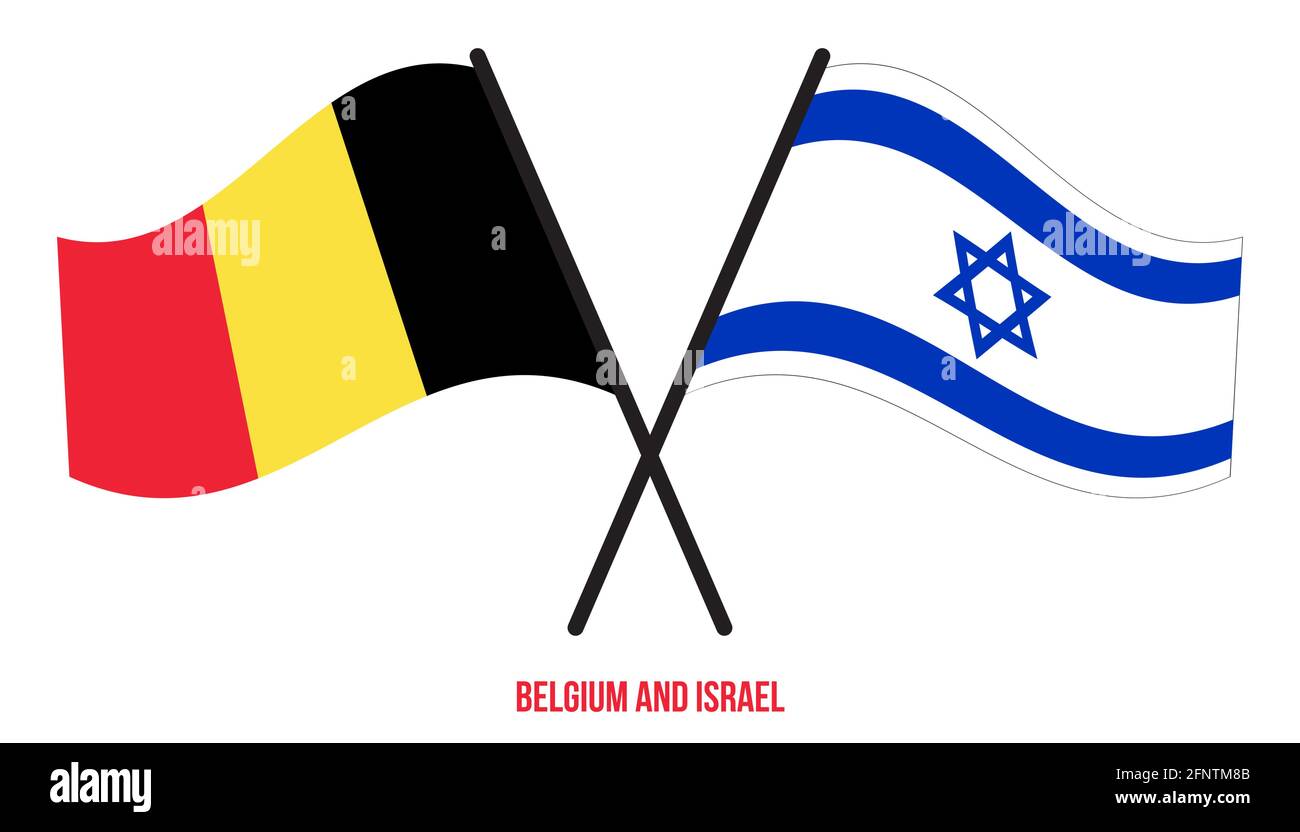
This push for a public vote is an unusual step for a national broadcaster, typically the sole arbiter of a country’s Eurovision entry. It suggests that the internal pressure within VRT—and from its audience—has reached a tipping point. The debate focuses on whether the act of participating in a contest that includes Israel, amidst the ongoing conflict, constitutes a tacit endorsement or a failure to acknowledge the suffering of civilians in the region.
The EBU, the organization that governs the event, has consistently maintained that the Eurovision Song Contest is a non-political event. According to the European Broadcasting Union, the contest is designed to bring people together through music, regardless of political differences. However, this stance has become increasingly difficult to defend as the contest becomes a lightning rod for protests, both on stage and in the stands.
The EBU and the Struggle for Neutrality
The “non-political” label has become a point of contention. While the EBU prohibits political lyrics or gestures on stage, the very act of choosing which countries are allowed to participate is, in itself, a political decision. The inclusion of Israel has sparked protests across Europe, with several artists and broadcasters questioning the EBU’s consistency in applying its rules.

The 2024 contest already saw unprecedented levels of tension, with protests occurring outside the venue and disruptions during the broadcast. For broadcasters like VRT, the fear is that the contest is no longer a celebration of music but a source of division. If the atmosphere is perceived as toxic or contradictory to the public’s values, the risk of a “backlash” against the broadcaster becomes a tangible concern.
The EBU’s role is to manage the interests of dozens of diverse public broadcasters. When a member like VRT suggests that participation is problematic, it puts pressure on the EBU to either refine its neutrality guidelines or risk a fragmented competition. The potential boycott by a Flemish broadcaster would not be an isolated incident but part of a growing trend of “conscience-based” withdrawals from international cultural events.
Broader Implications for the Song Contest
If VRT follows through with a boycott or if a public vote results in a decision to abstain, it could trigger a domino effect. Other European broadcasters are facing similar pressures from their domestic audiences. The Eurovision Song Contest relies on the participation of a wide array of nations to maintain its prestige and commercial viability. The loss of a dedicated broadcaster like VRT would diminish the event’s reach in the Benelux region.
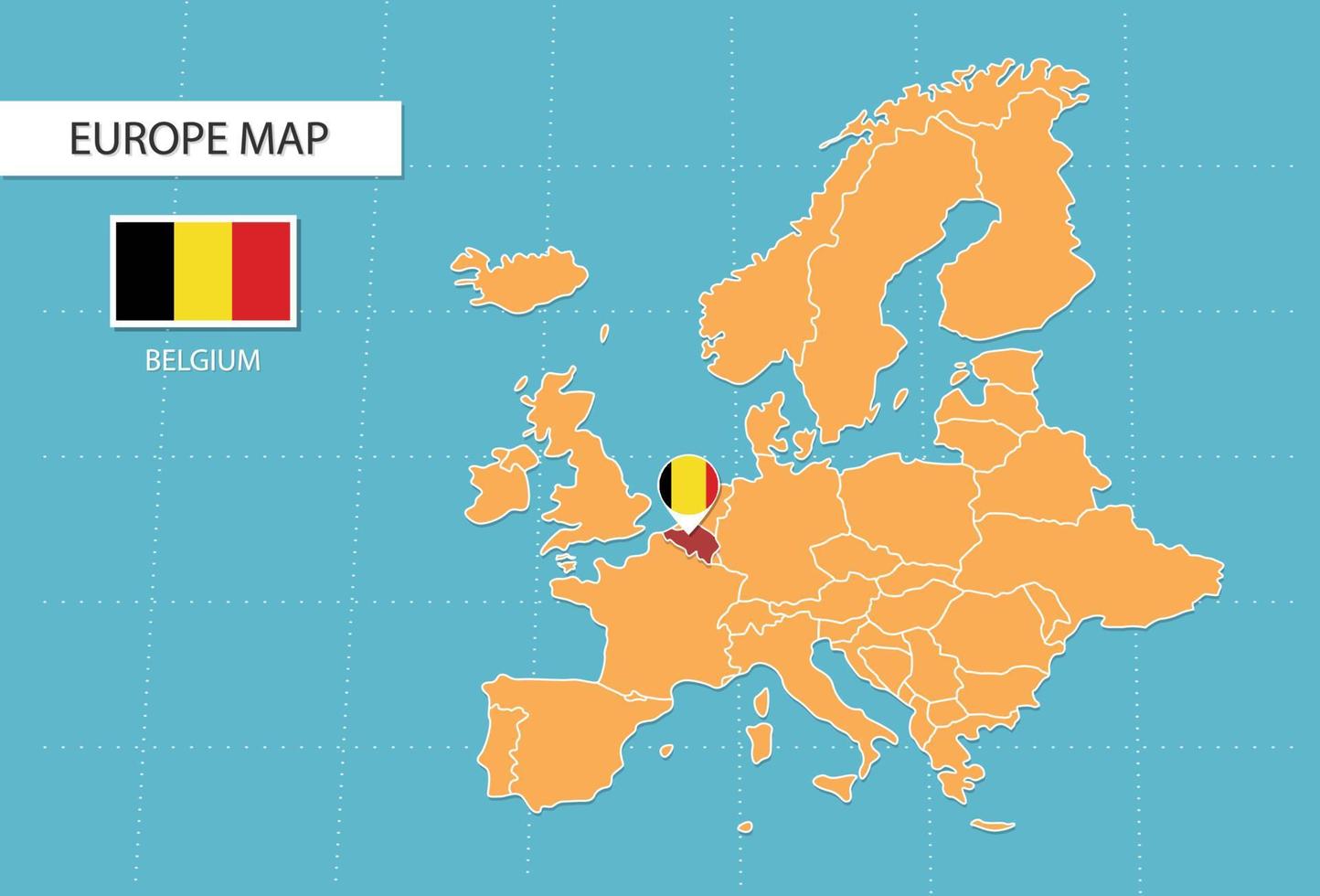
this situation highlights a shift in the role of public broadcasting. In the digital age, public broadcasters are no longer just curators of content. they are expected to be mirrors of their society’s ethical standards. By inviting the public to vote on its participation, VRT is acknowledging that its legitimacy is tied to its responsiveness to the public’s moral concerns.
The impact extends to the artists themselves. Many musicians are hesitant to participate in an event that may be viewed as politically insensitive. The prospect of being the “face” of a nation in a contest marred by controversy can be a professional and personal risk, further complicating VRT’s ability to find a suitable candidate should they decide to proceed.
Comparing the Political Climate of Eurovision
To understand the gravity of VRT’s current hesitation, it is helpful to look at how the contest has handled political friction in the past. While the contest has always had an undercurrent of nationalism, the current conflict is distinct in its intensity and the level of public scrutiny.
| Aspect | Traditional Eurovision Tension | Current Geopolitical Tension |
|---|---|---|
| Nature of Conflict | Inter-national rivalries and linguistic pride. | Deep-seated humanitarian and territorial conflicts. |
| Public Reaction | Fan-based debates and “strategic” voting. | Widespread protests and calls for institutional boycotts. |
| Broadcaster Role | Focus on selection and promotion of the act. | Focus on ethical alignment and public accountability. |
| EBU Response | Strict enforcement of “no political lyrics” rule. | Struggling to define “neutrality” in a polarized era. |
What Happens Next?
The immediate future for VRT involves the organization of the proposed debate. The broadcaster must determine how to conduct this dialogue—whether through town halls, digital surveys, or a formal referendum—and how much weight the results will carry in the final decision. This process is expected to take place in the coming months as the deadline for the next contest’s planning approaches.

If the debate concludes that participation is untenable, VRT may officially notify the EBU of its withdrawal. This would leave the Belgian representation in a precarious state, as Belgium’s participation is often split between the Flemish (VRT) and French-speaking (RTBF) communities. A split in the Belgian delegation would be a first in the contest’s history and would serve as a stark visual representation of the political divide.
For the EBU, the priority will be to prevent a mass exodus of broadcasters. They may attempt to offer new guarantees or frameworks for participation that allow broadcasters to express their concerns without fully withdrawing. However, for a public broadcaster like VRT, the answer may lie not in the EBU’s rules, but in the will of the Flemish people.
The next official checkpoint will be the announcement of the debate’s format and the timeline for the final decision on Belgium’s participation. We will continue to monitor the EBU’s response to these developments and the results of VRT’s public consultation.
Do you believe public broadcasters should let their audiences vote on participation in international events during times of conflict? Share your thoughts in the comments below.
Keep reading