
For decades, the center of global diplomatic gravity resided firmly in Washington, D.C. World leaders traveled to the U.S. Capital not only for trade and security pacts but to seek the implicit seal of approval from the world’s sole superpower. However, a visible shift is occurring in the halls of power. Beijing is increasingly becoming the primary destination for heads of state and high-ranking officials seeking stability, mediation, and economic alternatives in an increasingly fractured international landscape.
This surge in diplomatic activity is not a coincidence; it is the result of a calculated strategic pivot. As traditional Western-led security architectures face unprecedented strain and regional conflicts intensify, many nations are adopting a posture of “strategic autonomy.” By diversifying their diplomatic portfolios, these countries are treating Beijing not merely as a trading partner, but as a viable geopolitical counterweight to the United States.
The current trend reflects a broader transition toward a multipolar world. For leaders across the Global South, the appeal of China lies in its promise of a “win-win” cooperation model that emphasizes infrastructure and investment over the political conditionalities often attached to Western aid. In an era defined by volatility, the perception of China as a stable, predictable actor—regardless of its internal complexities—has become a powerful diplomatic magnet.
The Strategic Vacuum and the Appeal of Mediation
The primary driver behind the influx of foreign dignitaries to Beijing is the perceived instability of the current U.S.-led global order. When traditional security guarantees are questioned or when the U.S. Is bogged down in protracted regional conflicts, a vacuum is created. China has moved aggressively to fill this void, positioning itself as a neutral mediator and a champion of “peaceful coexistence.”

By hosting leaders from conflicting regions—ranging from Middle Eastern powers to European states—Beijing is demonstrating its ability to maintain open channels of communication across ideological divides. This “diplomatic inclusivity” allows China to project the image of a responsible great power that prioritizes stability and dialogue over interventionism. This approach is codified in the Global Security Initiative, which advocates for a security framework based on “indivisibility” and the respect for the sovereignty of all nations.
For many visiting leaders, the attraction is practical. In a world where sanctions have become a primary tool of Western foreign policy, having a strong relationship with Beijing provides a critical economic safety valve. The ability to maintain trade flows and secure energy supplies independent of Western financial systems is no longer a luxury; for many, it is a matter of national survival.
Economic Gravity and the Global South
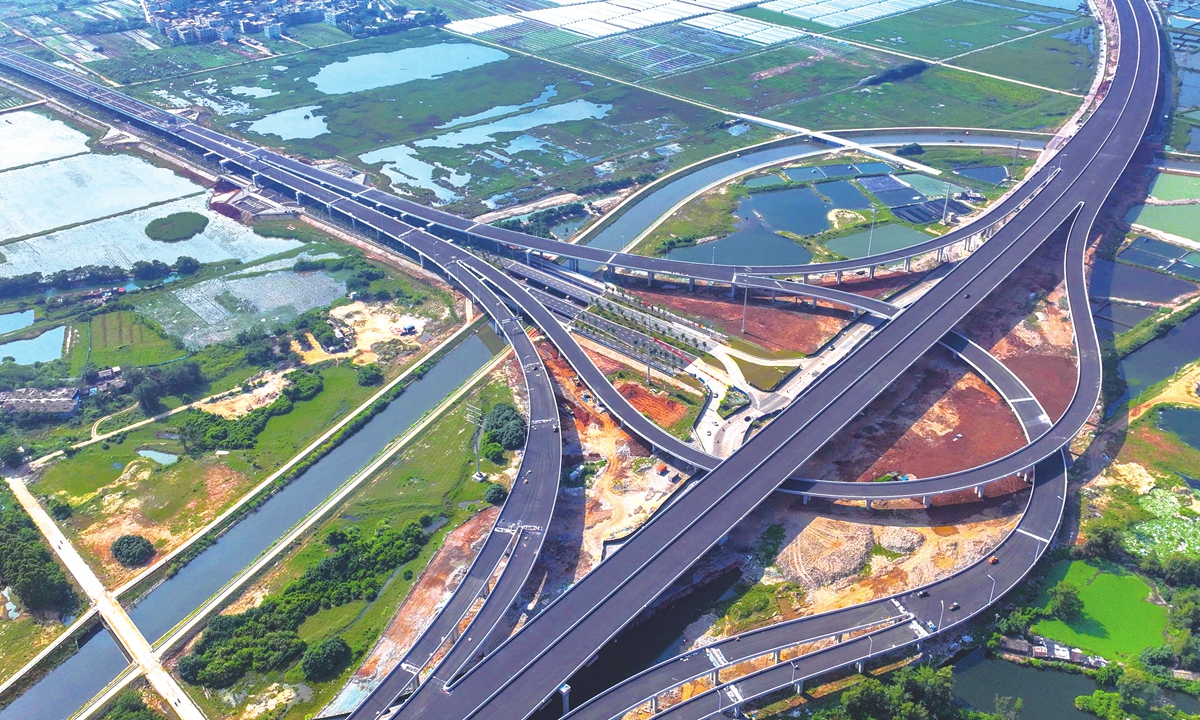
While security concerns drive the political narrative, economics remains the bedrock of China’s diplomatic pull. The Belt and Road Initiative (BRI) has evolved from a series of infrastructure projects into a comprehensive diplomatic network. By investing in ports, railways, and digital infrastructure, China has created a structural dependency that naturally draws leaders to Beijing to renegotiate terms, seek new funding, or align strategic goals.
The Global South, in particular, views China’s rise as a validation of a non-Western path to modernization. The rhetoric of “mutual respect” and “non-interference” in internal affairs resonates deeply with leaders in Africa, Southeast Asia, and Latin America, who often view Western diplomatic pressure regarding human rights or democratic reforms as an infringement on their sovereignty.
This economic gravity is further amplified by China’s role in the global energy transition. As the world shifts toward green energy, China’s dominance in the supply chains for critical minerals and battery technology makes it an indispensable partner. Leaders seeking to secure their energy futures must engage with Beijing, turning the city into a hub for both geopolitical and industrial diplomacy.
Historical Echoes and Modern Ambitions
To understand the current diplomatic atmosphere in Beijing, one must acknowledge the historical memory that informs China’s worldview. Historically, the Chinese empire operated under a tributary system, where the “Son of Heaven” (Tianzi) sat at the center of a regional order, and surrounding states sent envoys to acknowledge this centrality in exchange for trade privileges and political legitimacy.
While the modern People’s Republic of China officially rejects the imperial model, the current diplomatic trend mirrors certain aspects of that ancient structure. The sight of a continuous stream of world leaders visiting Beijing suggests a desire—or a necessity—to align with the dominant regional power. However, unlike the imperial era, this modern “centrality” is built on economic interdependence and strategic pragmatism rather than formal vassalage.
This ambition is not without its risks. The effort to project a “big country” image—characterized by confidence, inclusivity, and responsibility—can sometimes be perceived as overbearing by neighbors. Yet, as long as the alternative is viewed as an unstable or retreating West, the gravitational pull of Beijing is likely to strengthen.
Key Takeaways: China’s Diplomatic Surge
- Strategic Autonomy: World leaders are diversifying their alliances to avoid over-reliance on a single superpower.
- Mediation Role: China is leveraging global instability to present itself as a stable, neutral mediator in international conflicts.
- Economic Leverage: The Belt and Road Initiative and dominance in green energy supply chains create structural necessity for diplomatic visits.
- Non-Interference: The promise of “non-interference” in domestic affairs makes Beijing more attractive to leaders in the Global South.
- Multipolarity: The shift reflects a transition from a unipolar world to one where multiple centers of power coexist and compete.
What This Means for the Global Order
The trend of world leaders flocking to Beijing signals a fundamental change in how international legitimacy is sought. For decades, legitimacy was often tied to alignment with Western democratic norms. Today, a new form of legitimacy is emerging—one based on the ability to deliver tangible economic growth and maintain regional stability, regardless of the political system.
This shift does not necessarily mean the end of U.S. Influence, but it does mean the end of U.S. Exclusivity. We are entering an era of “competitive coexistence,” where nations will likely play the two superpowers against each other to secure the best possible deals for their own national interests. This “hedging” strategy allows smaller and medium-sized powers to maximize their leverage by remaining flexible.
The long-term success of China’s diplomatic push will depend on its ability to transition from being a “provider of infrastructure” to a “provider of global public goods.” If Beijing can successfully mediate major conflicts and offer a sustainable alternative to the current financial order, its role as a diplomatic hub will be cemented.
As the international community watches, the next critical checkpoint will be the upcoming series of multilateral summits and bilateral trade reviews scheduled for the second half of the year, which will test whether this diplomatic momentum can translate into lasting institutional influence.
What are your thoughts on the shifting center of global diplomacy? Do you believe the world is moving toward a truly multipolar order, or is this a temporary reaction to current instabilities? Share your perspectives in the comments below.
Worth a look