
For decades, the global approach to treating obesity was framed primarily as a battle of willpower. Patients were told to “eat less and move more,” a mantra that often ignored the complex biological drivers of weight gain and the stubborn nature of metabolic adaptation. However, a pharmacological shift is currently underway, transforming obesity from a perceived failure of discipline into a manageable chronic medical condition.
The catalyst for this change is a class of medications known as GLP-1 agonists for obesity treatment. Originally developed to manage Type 2 diabetes, these drugs—often referred to as incretin mimetics—have demonstrated an unprecedented ability to induce significant weight loss by targeting the hormonal systems that regulate appetite and glucose metabolism. For millions of people worldwide, these therapies represent the first time medical intervention has matched the efficacy of bariatric surgery without the need for invasive procedures.
As the medical community moves toward a more nuanced understanding of metabolic health, the conversation is shifting. It is no longer just about the number on the scale, but about reducing systemic inflammation, improving cardiovascular outcomes, and determining whether these medications are a temporary bridge or a lifelong necessity. For healthcare providers and patients alike, the challenge now lies in balancing the profound benefits of these drugs with their high costs and the long-term requirements of chronic disease management.
The Biological Engine: How GLP-1 Agonists Work
To understand why these medications are so effective, one must look at the glucagon-like peptide-1 (GLP-1) hormone. Naturally produced in the gut, GLP-1 is an incretin hormone that signals the body to release insulin after eating and tells the brain that the body is full. In many individuals with obesity, this signaling pathway is dampened or inefficient.
GLP-1 receptor agonists mimic this natural hormone but are engineered to last much longer in the bloodstream than the body’s own GLP-1, which is broken down in minutes. By binding to GLP-1 receptors in the hypothalamus of the brain, these drugs suppress appetite and increase feelings of satiety. Simultaneously, they leisurely gastric emptying—the speed at which food leaves the stomach—meaning patients feel full longer after smaller meals.
The evolution of these drugs has led to “dual agonists” like tirzepatide, which targets both the GLP-1 receptor and the glucose-dependent insulinotropic polypeptide (GIP) receptor. This dual action enhances the metabolic effect, often resulting in greater weight loss than GLP-1 agonists alone. These medications are now recognized not just as weight-loss tools, but as metabolic regulators that can lower blood pressure and improve lipid profiles.
Beyond the Scale: The Myth of ‘Metabolically Healthy’ Obesity
A recurring debate in clinical practice is the concept of “metabolically healthy obesity” (MHO)—individuals who have a high Body Mass Index (BMI) but do not exhibit traditional markers of metabolic disease, such as hypertension, insulin resistance, or high cholesterol. For years, some argued that if a patient was “metabolically healthy,” aggressive weight loss was unnecessary.

However, emerging medical evidence suggests that MHO may be a transient state rather than a permanent shield. Research indicates that individuals with obesity, even those without immediate metabolic complications, remain at a higher risk for developing cardiovascular disease and Type 2 diabetes over time compared to those with a healthy weight. The internal pressure on joints, the systemic low-grade inflammation associated with excess adipose tissue, and the eventual decline in metabolic flexibility mean that “healthy obesity” is often a misleading term.
This realization has shifted the goal of obesity therapy. The objective is no longer simply aesthetic or focused on a specific BMI number, but on the proactive prevention of metabolic collapse. By utilizing GLP-1 agonists, clinicians can intervene before the “healthy” phase ends, potentially preventing the onset of chronic comorbidities that significantly reduce life expectancy.
The Sustainability Challenge: Lifelong Therapy vs. Short-term Fix
One of the most critical questions facing the medical community is the duration of treatment. Clinical trials, such as those published in the New England Journal of Medicine, have consistently shown that when patients discontinue GLP-1 medications, a significant portion of the lost weight returns. What we have is due to the body’s powerful counter-regulatory mechanisms; when the drug is removed, appetite often returns with intensity, and the resting metabolic rate may drop.
This phenomenon suggests that obesity should be treated as a chronic disease, similar to hypertension or hyperlipidemia, requiring long-term—and perhaps lifelong—management. The idea of a “course” of weight-loss medication is increasingly viewed as unrealistic for many patients. Instead, physicians are discussing “maintenance dosing,” where the medication is used to keep weight stable after an initial loss phase.
Establishing criteria for lifelong therapy is essential to avoid the “yo-yo” effect of weight cycling, which can be stressful for the cardiovascular system. The focus is shifting toward a holistic model that combines pharmacological support with permanent lifestyle modifications, ensuring that the metabolic gains achieved through medication are reinforced by behavioral changes.
Accessibility, Costs, and the Next Wave of Innovation
Despite the clinical success of these drugs, accessibility remains a global hurdle. The high cost of brand-name GLP-1 agonists has created a divide in care, where only those with premium insurance or significant personal wealth can access the therapy. In many healthcare systems, obesity is still not fully recognized as a chronic disease that warrants long-term pharmaceutical coverage, leaving many patients to pay out-of-pocket.
However, the pharmaceutical landscape is evolving rapidly. The next generation of innovation is moving toward “triple agonists,” such as retatrutide, which targets GLP-1, GIP, and glucagon receptors. By adding the glucagon component, these drugs may further increase energy expenditure (calorie burning) alongside appetite suppression, potentially pushing weight loss results even closer to those seen in surgical interventions.
there is a significant push to move away from weekly injections toward more convenient oral formulations. While oral versions of some GLP-1 agonists already exist, improving their bioavailability and efficacy is a primary goal for researchers. This transition could significantly increase patient adherence and reduce the stigma associated with injectable medications.
Key Takeaways for Patients and Providers
- Biological Shift: Obesity is increasingly treated as a chronic biological condition rather than a behavioral failure.
- Metabolic Risk: “Metabolically healthy obesity” is often temporary; early intervention can prevent future cardiovascular and diabetic complications.
- Chronic Management: Weight regain is common after cessation, suggesting that long-term maintenance therapy may be necessary for many.
- Future Outlook: Triple agonists and oral medications are expected to increase both the efficacy and the ease of use of obesity treatments.
The integration of GLP-1 agonists into standard care marks a turning point in public health. By addressing the hormonal drivers of obesity, medicine is finally providing a tool that matches the scale of the epidemic. The path forward requires a commitment to expanding access and a clinical shift toward viewing weight management as a lifelong journey of metabolic health.
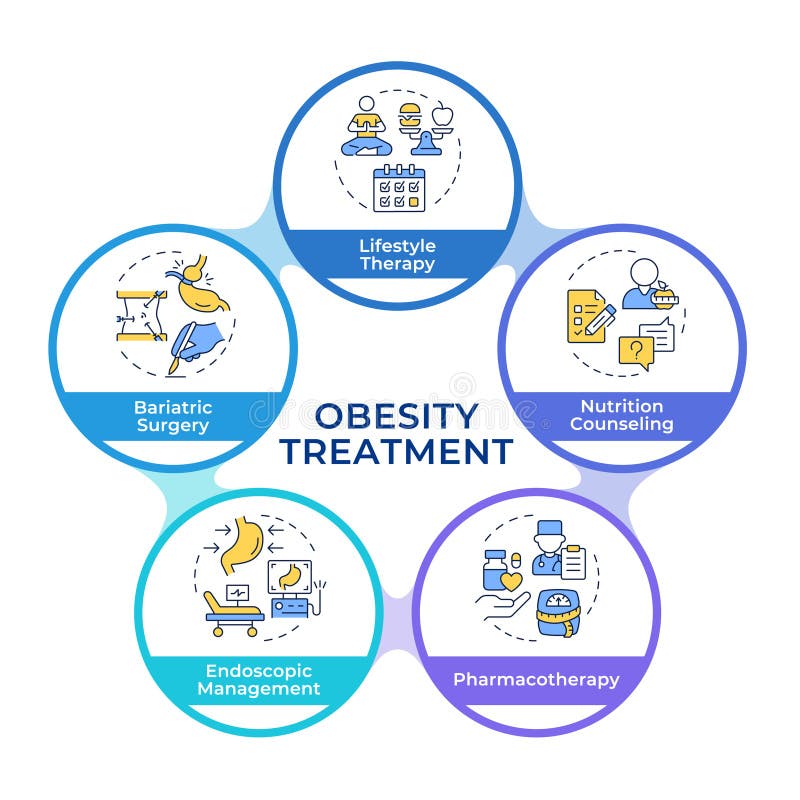
The next major milestone in this field will be the release of long-term cardiovascular outcome trials for the newest generation of dual and triple agonists, which will likely further solidify the role of these drugs in preventative cardiology. We expect updated guidance from the U.S. Food and Drug Administration (FDA) and the European Medicines Agency (EMA) as more long-term safety data becomes available regarding muscle mass preservation during rapid weight loss.
Do you believe obesity should be classified and insured as a chronic disease similar to diabetes? Share your thoughts in the comments below or share this article with your healthcare provider to start the conversation.
Worth a look