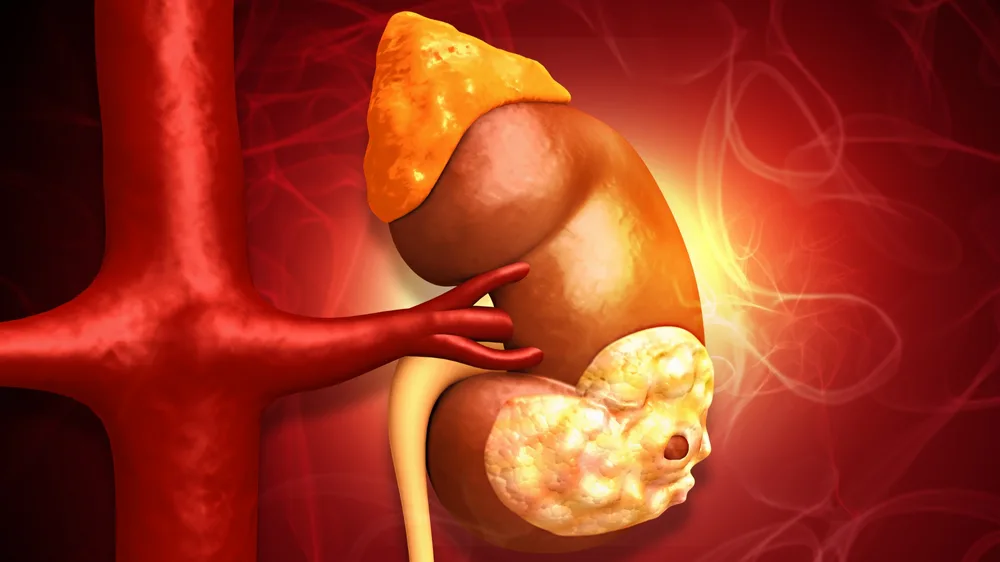
For individuals living with von Hippel-Lindau (VHL) disease, the medical landscape has long been defined by a cycle of surveillance and surgical intervention. This rare genetic disorder predisposes patients to the development of tumors in various organs, often requiring repeated operations to manage growth and prevent organ failure. However, the introduction of belzutifan is shifting this paradigm, offering a targeted pharmacological approach to maintain tumors at bay.
Belzutifan, marketed under the brand name Welireg, represents a significant leap in medical innovation for VHL patients. Approved in the United States in August 2021 to treat VHL-associated renal cell carcinoma, the drug targets the underlying molecular drivers of tumor growth rather than simply treating the symptoms according to research published in Oncologist.
As a targeted therapy, belzutifan provides a non-surgical alternative that can potentially reduce the frequency of invasive procedures. For a patient population that must manage their health over several decades, the ability to stabilize or shrink tumors without entering an operating room is a transformative development in long-term care.
Understanding the Mechanism: How Belzutifan Targets VHL Tumors
To understand why belzutifan is effective, it is necessary to seem at the cellular mechanics of VHL disease. In healthy individuals, the VHL protein helps regulate the levels of hypoxia-inducible factors (HIF). In people with VHL disease, this regulation fails, causing HIF protein complexes to accumulate. These complexes act as catalysts, promoting the growth of tumors as detailed by the National Cancer Institute.
Belzutifan works as a hypoxia-inducible factor 2 alpha (HIF-2α) inhibitor. By specifically binding to the HIF-2α portion of the protein complex, the drug inhibits the tumor-promoting activity that otherwise drives the expansion of VHL-associated growths. Essentially, the medication blocks the signals that inform these tumors to grow, effectively “keeping them at bay” for extended periods.
Clinical Efficacy and Long-Term Outcomes
Recent updated results from clinical trials indicate that belzutifan provides sustained benefits. In a study led by researchers at the National Cancer Institute’s CCR, follow-up data spanning more than four years revealed that 67% of patients experienced at least some notable reduction in the size of one of their tumors according to CCR reports.
The impact of the drug extends beyond the kidneys. Findings published in Lancet Oncology indicate that belzutifan also shrank tumors in other common VHL-associated locations, including the retinas, the brain, the spine, and the pancreas per the National Cancer Institute. The median time the treatment successfully kept tumors in check was approximately 40 months.
Addressing CNS Haemangioblastomas
Beyond renal tumors, the drug has shown promise in treating central nervous system (CNS) haemangioblastomas, which are often the most challenging VHL-associated tumors to manage. The single-arm, phase 2 LITESPARK-004 study demonstrated that belzutifan provided meaningful antitumour activity in these cases according to data published in Lancet Oncology.
Crucially, this activity was not a short-term effect; the antitumour response was sustained for more than three years of continuous treatment as noted in the LITESPARK-004 study. This durability is essential for VHL patients, who require lifelong management of their condition.
Patient Impact: Reducing Surgical Burden and Side Effects
One of the most significant clinical advantages of belzutifan is its potential to reduce the reliance on surgery. Because the drug can shrink existing tumors and prevent new ones from reaching a critical size, many patients in clinical trials were able to avoid surgeries to remove tumors according to Dr. Ramaprasad Srinivasan.
For patients, the avoidance of surgery means fewer hospitalizations, shorter recovery times, and a reduced risk of surgical complications. This shift also has broader implications for healthcare resource utilization, as the focus moves from acute surgical intervention to chronic medical management.
Regarding safety, long-term data suggest that the drug is generally well tolerated. Updated results indicate that no new side effects developed over time, which is a critical finding for a medication intended for use over decades as reported by CCR researchers.
Key Takeaways for VHL Management
- Targeted Action: Belzutifan inhibits HIF-2α to stop the tumor-promoting activity characteristic of VHL disease.
- Broad Efficacy: The drug has shown the ability to shrink tumors in the kidneys, pancreas, brain, spine, and retinas.
- Sustained Results: Clinical data show a median tumor-control period of about 40 months, with CNS activity lasting over three years.
- Reduced Surgery: A significant number of patients can avoid invasive tumor removal procedures.
- Tolerability: Long-term follow-up indicates the drug remains well tolerated without the emergence of new side effects over time.
As research continues, the focus remains on the long-term impact of belzutifan on healthcare resource utilization and its ability to improve the overall quality of life for those living with von Hippel-Lindau disease. The transition from “watch and wait” surgery to proactive pharmacological stabilization marks a new era in the treatment of this complex genetic condition.
Medical professionals and patients are encouraged to monitor updated clinical guidelines and official regulatory filings for the most current prescribing information and safety updates.
Do you or a loved one have experience with VHL-associated treatments? Share your thoughts or questions in the comments below.