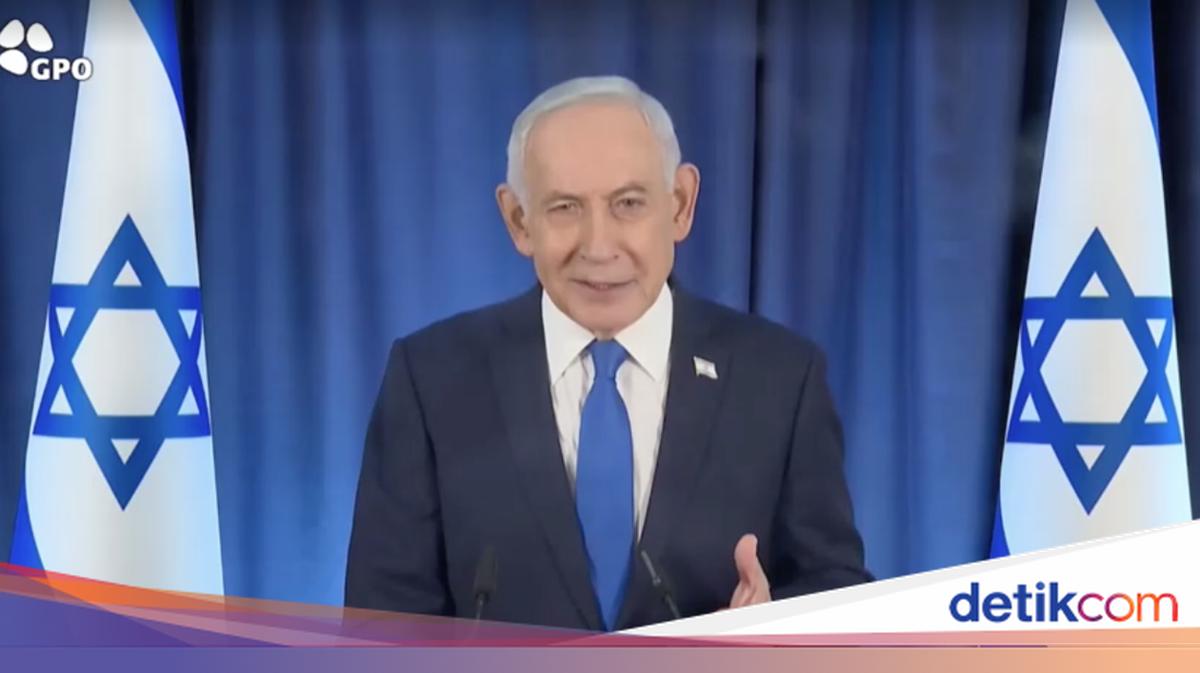
Israeli Prime Minister Benjamin Netanyahu announced on Friday, April 24, 2026, that he had successfully undergone surgery for prostate cancer and was now in good health. The announcement came via a post on his official X account, where he shared that the procedure had removed a small tumor detected during a routine medical checkup.
Netanyahu explained that the cancer was discovered during follow-up examinations after a prior benign prostate procedure he underwent in 2024. He stated that doctors found “a small point less than one centimeter” during the latest screening, which was subsequently removed. “The treatment has eliminated the issue and left no trace,” he said, adding that he had fully recovered and was feeling well.
The Prime Minister noted that he had delayed public disclosure of his diagnosis to avoid coinciding with heightened regional tensions, particularly between Israel and Iran, and to prevent the information from being used for propaganda purposes. “I requested a delay so it would not coincide with the Israel-Iran tensions, and likewise to prevent propaganda,” he wrote in his post.
Netanyahu emphasized his belief in timely medical intervention, stating that when informed of a potential health risk, he prefers to act immediately. “When I am given timely information about a potential danger, I want to address it right away,” he said, adding that this approach applies both nationally and personally.
His announcement comes ahead of a planned visit to the White House in the coming weeks, as part of U.S.-led efforts to promote a long-term ceasefire agreement related to the Israel-Iran conflict. Netanyahu confirmed that he remains committed to his duties and that his health will not interfere with his official responsibilities.
Medical experts note that early detection of prostate cancer through routine screenings significantly improves treatment outcomes. When caught at an early stage, as Netanyahu described, the five-year survival rate is nearly 100%. Treatment options typically include surgery, radiation, or active surveillance, depending on the cancer’s aggressiveness and the patient’s overall health.
The Prime Minister’s transparency about his health condition has been viewed by some observers as a move to maintain public trust, especially amid ongoing security challenges and international diplomatic efforts. His decision to share the update via social media reflects a broader trend among world leaders using direct platforms to communicate personal health matters.
Netanyahu has been Israel’s longest-serving prime minister, having held office across multiple terms since 1996. His leadership has been defined by a strong focus on national security, technological innovation, and diplomatic engagement with Western allies, particularly the United States.
As of this announcement, Netanyahu continues to carry out his duties as head of government, with no reported limitations on his schedule or official engagements. His medical team has confirmed that he is fit to resume full activities.
For updates on the Prime Minister’s health or official activities, readers are encouraged to refer to verified government communications or reputable international news sources.
What are your thoughts on how leaders balance personal health disclosures with public responsibility? Share your perspective in the comments and spread the conversation.
Worth a look