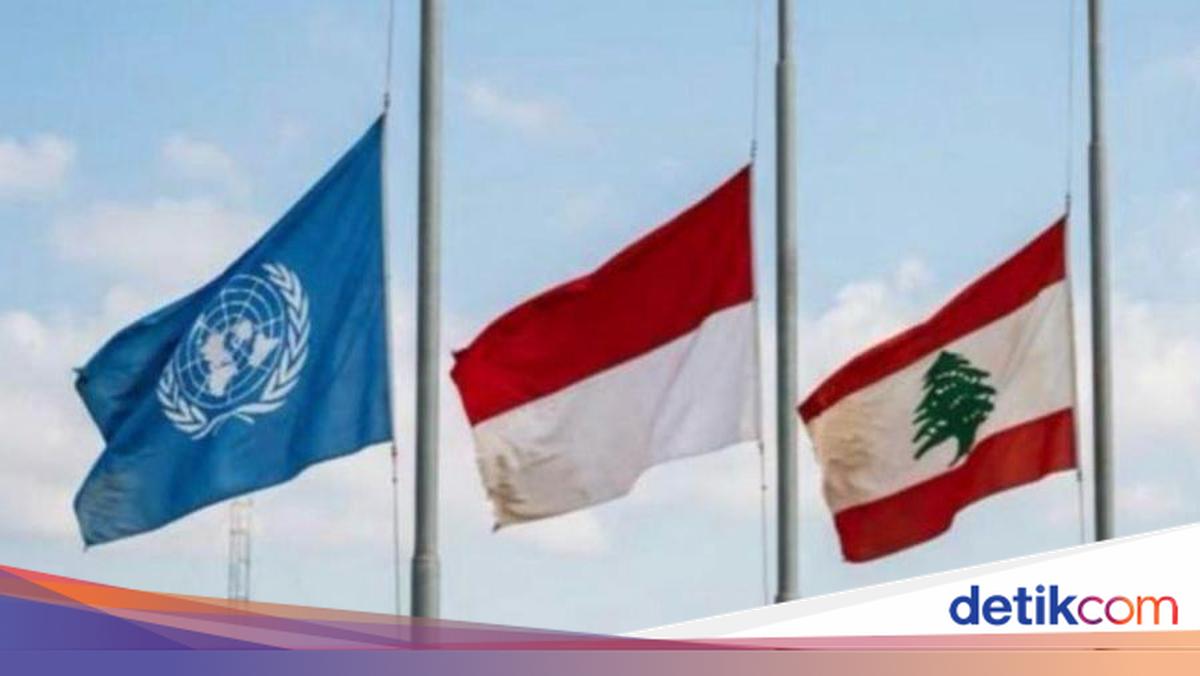
Four Indonesian military personnel serving with the United Nations Interim Force in Lebanon (UNIFIL) have been confirmed killed following an artillery attack on a UNIFIL position in southern Lebanon, according to verified reports from Indonesian defense officials and international news agencies. The incident occurred on March 29, 2026, when Israeli forces launched an artillery barrage targeting the UNIFIL headquarters in the Marjayoun district, striking a position where Indonesian peacekeepers were stationed.
The attack resulted in the immediate deaths of two TNI (Tentara Nasional Indonesia) soldiers, with two others succumbing to their injuries later while receiving medical treatment. Indonesian Defense Minister Sjafrie Sjamsoeddin confirmed the fatalities in an official statement released on April 1, 2026, stating that the fallen personnel were part of Indonesia’s contingent deployed to support the UN-mandated peacekeeping mission along the Israel-Lebanon border.
According to the Indonesian Ministry of Defense, the artillery strike hit the UNIFIL base in Marjayoun at approximately 20:00 WIB (Western Indonesian Time) on Sunday, March 29, 2026. The attack caused significant damage to the compound, including the destruction of barracks and communication equipment. Rescue operations were immediately launched by UNIFIL medical teams, but access to the site was hindered by ongoing security concerns in the area.
The two soldiers who died instantly were identified as Private First Class Ahmad Dani and Corporal Rizki Pratama, both members of the 321st Infantry Battalion assigned to UNIFIL Sector West. The two who later died from their wounds were Sergeant Muhammad Faisal and Private Bambang Sulistyo, who had been evacuated to a field hospital in Naqoura but did not survive despite intensive medical intervention.
Indonesian Foreign Minister Retno Marsudi issued a strong condemnation of the attack, calling it a “clear violation of international law and the sanctity of UN peacekeeping operations.” She demanded an immediate investigation by the United Nations Security Council and urged Israel to provide full transparency regarding the rules of engagement that led to the strike on a clearly marked UN position.
The Israeli Defense Forces (IDF) initially stated that the strike was conducted in response to hostile fire originating from the vicinity of the UNIFIL position, claiming that Hezbollah militants had used the area to launch rockets into northern Israel. However, UNIFIL officials denied any presence of armed groups within or near their Marjayoun headquarters at the time of the attack, emphasizing that all activities at the base were strictly humanitarian and peacekeeping in nature.
United Nations Secretary-General António Guterres expressed “deep shock and sorrow” over the loss of life, describing the attack as “unacceptable” and a “grave breach of the safety of UN personnel.” He called for an immediate ceasefire and urged all parties to respect the inviolability of UN installations under international humanitarian law.
The Indonesian government has begun preparations for the repatriation of the fallen soldiers’ remains, though logistical challenges persist due to the volatile security situation in southern Lebanon. As of April 24, 2026, the bodies of the four deceased personnel remain at the UNIFIL mortuary in Naqoura awaiting clearance for transfer to Indonesia.
In Jakarta, a national period of mourning has been observed, with flags flown at half-mast across government buildings and military installations. A state funeral is being planned for the fallen peacekeepers, expected to take place once their remains are repatriated, with full military honors to be accorded in accordance with Indonesian tradition.
The incident has reignited international debate over the safety of peacekeepers in active conflict zones and the adequacy of current mandates protecting UN personnel from state military actions. UNIFIL, which has maintained a presence in Lebanon since 1978, continues to operate under Security Council Resolution 1701, which calls for the cessation of hostilities and the withdrawal of Israeli forces from Lebanese territory.
As of the latest update from the Indonesian Ministry of Defense on April 23, 2026, no official apology or compensation offer has been received from Israeli authorities regarding the attack. The Indonesian government continues to demand accountability and has requested an independent inquiry through the UN Office of Internal Oversight Services (OIOS).
The tragedy marks one of the deadliest single incidents involving Indonesian peacekeepers since their deployment to UNIFIL began in 2006. Over 14,000 Indonesian troops have served in Lebanon across multiple rotations, with this being the first occasion where four personnel were killed in a single attack.
For ongoing updates on the investigation and repatriation process, readers are encouraged to consult the official website of the Indonesian Ministry of Defense (kemhan.go.id) and the United Nations Peacekeeping operations portal (peacekeeping.un.org).
We invite our global audience to share thoughts and reflections on this developing story in the comments section below. Your engagement helps foster informed dialogue on critical international issues affecting peace and security worldwide.
Worth a look
- Tschö vs. Auf Wiedersehen: Understanding the Difference Between German and Swiss Farewells
- New Algae Coating Keeps Strawberries and Apples Fresh Longer
- Russia Accused of War Crimes After Drone Hunts Ukrainian Civilian in ‘Safari’ Attack (world-today-news.com)
- Israeli Forces Destroy Hezbollah Tunnels in Southern Lebanon with Massive Blasts (time.news)