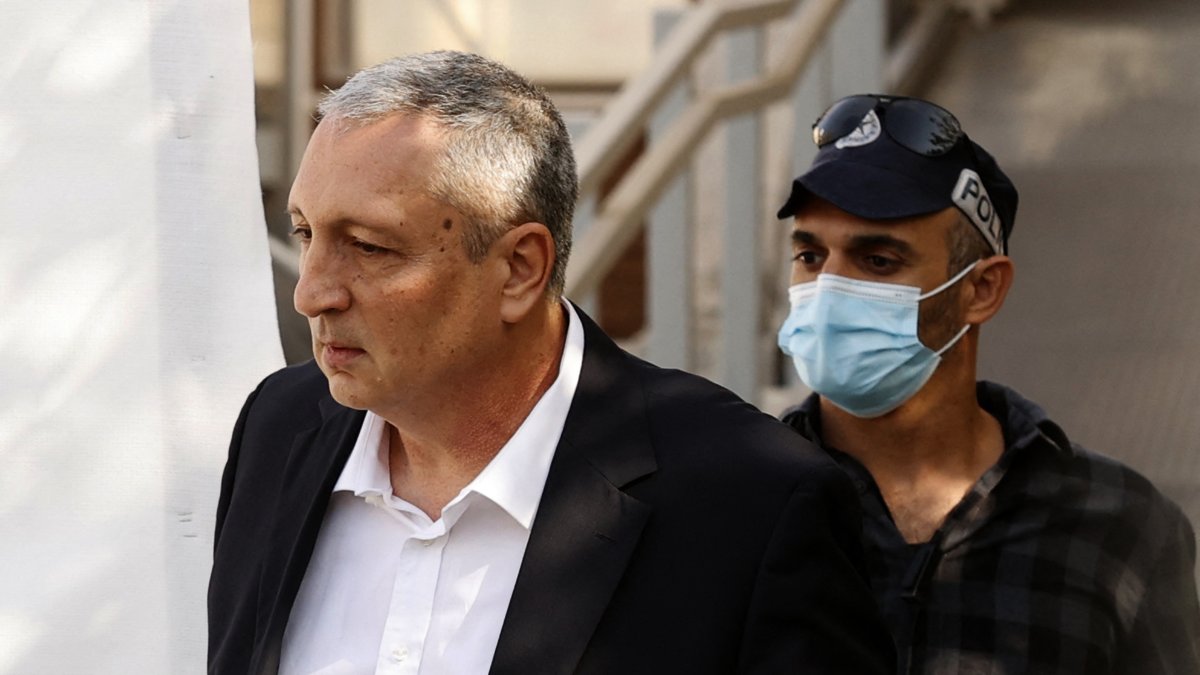
The political relationship between Israeli Prime Minister Benjamin Netanyahu and U.S. President Donald Trump has experienced a visible cooling in recent months, according to multiple reports from former administration officials and political analysts. While the two leaders once maintained a highly public, close-knit alliance during Trump’s first term, several factors—ranging from shifts in regional strategy to internal U.S. political dynamics—have contributed to a measurable erosion of that rapport.
Observers point to a divergence in priorities as the primary driver for this shift. During his first term, President Trump’s policies, including the relocation of the U.S. Embassy to Jerusalem and the brokering of the Abraham Accords, were closely aligned with Netanyahu’s stated security and diplomatic goals, as detailed by the U.S. Department of State. However, as the geopolitical landscape in the Middle East has evolved, the strategic interests of the two figures have increasingly diverged, leading to a more cautious approach from the White House regarding current Israeli security operations.
Shifting Strategic Priorities and Diplomatic Friction
The decline in influence is not merely a matter of personal chemistry but a reflection of changing policy mandates. During his 2024 campaign, President Trump frequently emphasized a desire for a swift resolution to regional conflicts, occasionally criticizing the duration of military engagements. According to reporting from Reuters, Trump has publicly urged Israel to “finish the job” and bring an end to the conflict in Gaza, suggesting that the prolonged nature of the war is negatively impacting Israel’s international standing.
This public pressure marks a departure from the unconditional support often perceived during the 2017–2021 period. Former advisers to the Trump administration have noted that while the President remains fundamentally supportive of Israel’s right to self-defense, his focus has shifted toward domestic political concerns and a desire to avoid long-term U.S. entanglement in foreign military campaigns. This focus is consistent with the “America First” platform that defined his previous term, which prioritizes immediate, tangible foreign policy wins over sustained, open-ended regional commitments.
The Role of Domestic Politics in U.S.-Israel Relations
The tension is also exacerbated by the evolving political environment in Washington. With the 2024 election cycle concluded, the White House is navigating a complex coalition of voters, including those who have expressed skepticism toward continued military aid to Israel. Political scientists note that President Trump, in his second term, is under pressure to balance traditional Republican support for Israel with a growing populist wing of the party that favors isolationism.
The impact of this shift is visible in the rhetoric coming from the executive branch. Unlike the early days of his first term, when the U.S. and Israeli governments often presented a united front on major policy announcements, current communications from the White House emphasize the need for humanitarian corridors and a long-term diplomatic strategy, as outlined in official White House Press Briefings. This pivot complicates Netanyahu’s ability to rely on the U.S. as a blank-check ally, forcing his administration to navigate a more transactional and demanding diplomatic environment.
Historical Context: From Unprecedented Alignment to Transactional Ties
To understand the current state of affairs, one must look at the precedent set between 2017 and 2021. The alliance between Netanyahu and Trump was characterized by the recognition of Israeli sovereignty over the Golan Heights and the withdrawal from the Iran nuclear deal, a move supported by the White House in May 2018. These actions solidified a perception that the two leaders were in perfect lockstep.
However, the transition from that era to the present reveals a stark contrast. Where there was once a shared agenda regarding the “maximum pressure” campaign against Iran, there is now a more fragmented approach. Netanyahu continues to advocate for a hardline stance against Iranian proxies, while the U.S. administration is balancing those concerns with the goal of regional de-escalation to prevent a wider conflict that could draw in U.S. forces. This fundamental difference in tactical goals has created a space between the two leaders that did not exist during the height of their previous collaboration.
What Happens Next for the U.S.-Israel Alliance?
The future of the U.S.-Israel relationship remains tethered to the ongoing regional security situation. For the Israeli government, the immediate priority is managing the threat posed by various regional actors, while the U.S. focus remains on regional stability and managing the political fallout of the conflict within its own borders.
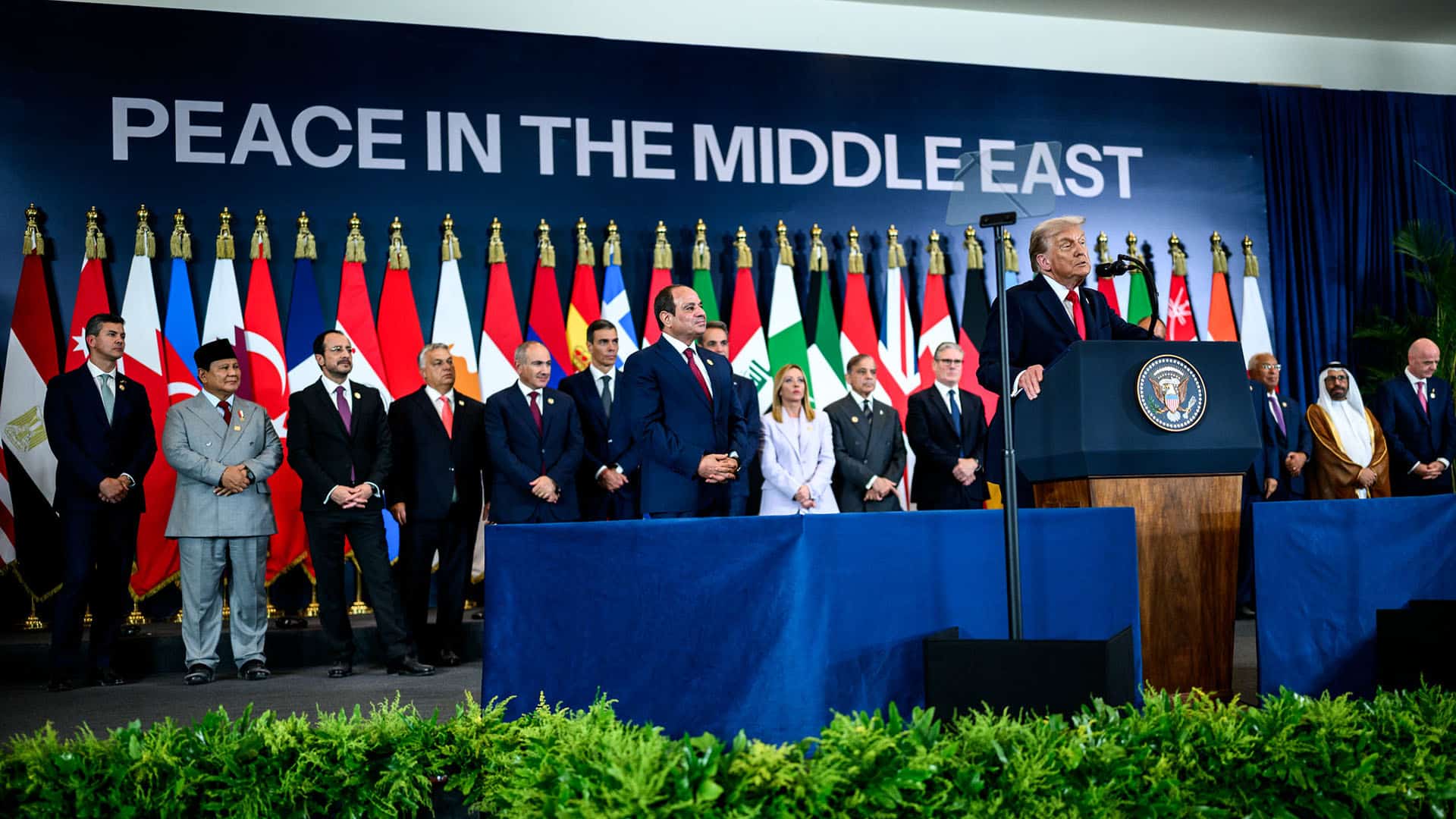
Official updates on military aid packages, diplomatic negotiations, and security cooperation agreements are typically released through the U.S. Department of Defense and the State Department. Observers should monitor these official channels for the most accurate indicators of the current policy direction. As the situation remains fluid, further shifts in the rapport between the two leaders may occur as both face upcoming legislative milestones and international summits. Readers interested in the latest developments are encouraged to follow official government statements and verified reporting for updates on this evolving diplomatic landscape.
Related reading
- US-Saudi Nuclear Deal Sparks Global Debate on Atomic Power and Proliferation
- DSK Bank Issues Important Announcement for All Customers
- Israel Raises Security Concerns Over Trump-Brokered Hamas Disarmament Deal (time.news)
- US dollar weakens sharply against the Japanese yen after officials intervene in markets (archyde.com)