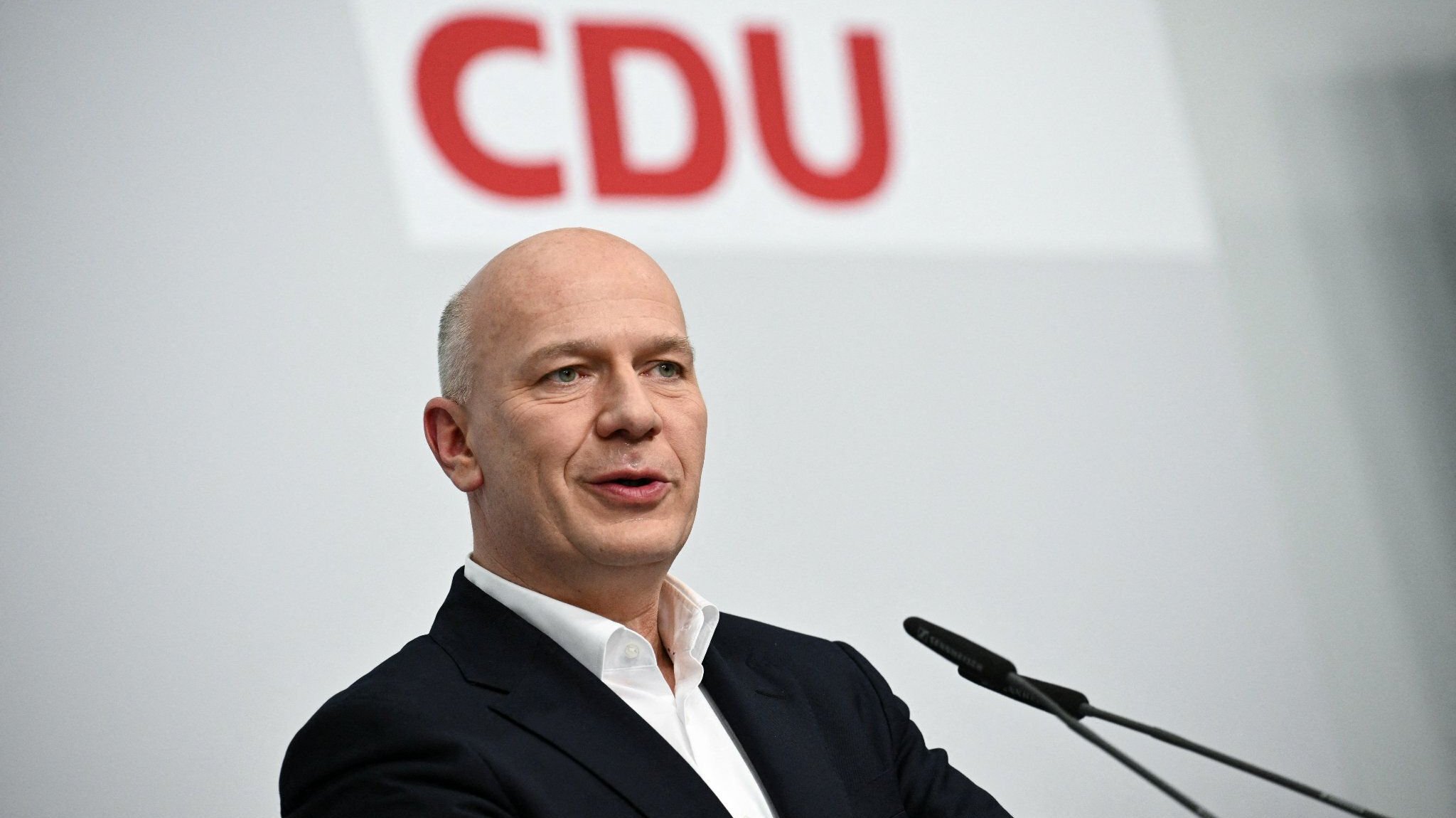
Berlin’s political landscape faces renewed scrutiny as questions regarding the transparency and communication of city leadership continue to circulate among voters. Recent discourse in the capital has centered on the consistency of public statements made by Governing Mayor Kai Wegner, with critics and political observers debating whether these discrepancies could influence the city’s long-term governance and the stability of the current coalition.
The debate comes at a time when the Christian Democratic Union (CDU), led at the federal level by Friedrich Merz, is attempting to solidify its position as a reliable alternative for center-right voters. However, in Berlin, the party’s local leadership is navigating a complex environment where voter trust is increasingly tied to the perceived accuracy of official administration claims.
The Impact of Political Communication on Voter Trust
For many Berliners, the primary concern is the gap between official policy announcements and the subsequent implementation of those measures. According to political analysts, when city leadership provides statements that are later contradicted by administrative reality, it creates a “credibility deficit” that affects the electorate’s willingness to support the incumbent coalition. This dynamic is particularly significant in a city where the political spectrum is deeply fragmented and voters are actively evaluating their options ahead of future electoral cycles.
The Office of the Governing Mayor maintains that its communication strategy is designed to address the multifaceted challenges of managing a city-state. However, the opposition parties in the Abgeordnetenhaus (Berlin House of Representatives) frequently highlight instances where they argue the administration has failed to meet its own stated benchmarks. This cycle of accusation and defense has become a defining feature of the current legislative period, complicating the CDU’s efforts to define its brand as a party of competence and stability.
Strategic Challenges for the CDU in Berlin
Friedrich Merz, as the federal chairman of the CDU, has set a clear trajectory for the party, emphasizing fiscal discipline and a shift toward more traditional conservative values. In Berlin, this national strategy must be reconciled with the realities of a local coalition government. The tension between federal directives and local governance needs often leaves Berlin’s CDU representatives in a precarious position.

If voters perceive that local leadership is untrustworthy, it undermines the party’s broader national message. Data from the latest regional polling suggests that the electorate is increasingly volatile, with many voters expressing dissatisfaction with the status quo. This volatility is not merely a reflection of policy disagreement but a growing skepticism toward the political process itself. When leaders are perceived as imprecise or misleading, the cost is often a loss of the “bourgeois” or center-right voter base, which is crucial for the CDU’s ability to maintain its influence in the capital.
Accountability and the Future of the Capital
The discourse surrounding Mayor Wegner’s statements is part of a larger conversation about the accountability of public officials in Germany. Under the Constitution of Berlin, the Governing Mayor holds significant responsibility for the executive direction of the city. Any perceived failure in transparency is therefore magnified by the high visibility of the role.
The next major checkpoint for the administration will be the upcoming budget negotiations and the presentation of key infrastructure projects. These events will serve as a litmus test for the government’s ability to align its public narrative with concrete, verifiable results. If the administration continues to face criticism regarding the accuracy of its statements, it may find its legislative agenda increasingly obstructed by both opposition parties and a skeptical public.
As the city moves toward the next electoral cycle, the focus will remain on whether the CDU can restore confidence among its core supporters. For now, the debate over political communication serves as a reminder that in the capital’s complex political ecosystem, words carry as much weight as policy decisions. The administration’s ability to navigate this scrutiny will likely determine the party’s future standing in Berlin’s competitive electoral landscape.
We invite our readers to share their perspectives on the current political climate in Berlin in the comments section below. Stay tuned to our political desk for further updates on the upcoming administrative hearings and budget debates.