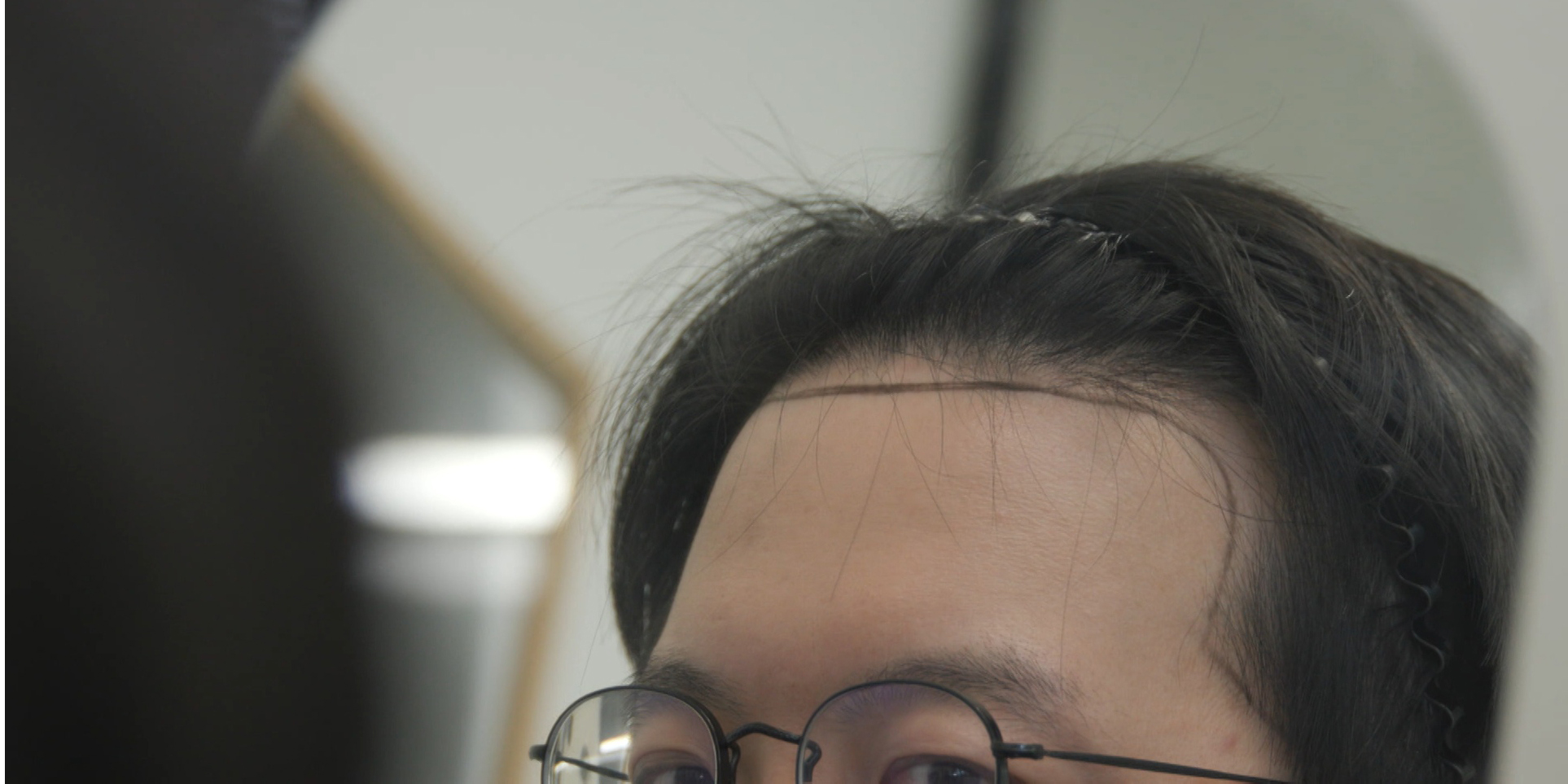
The landscape of hair loss treatment in South Korea is undergoing a significant demographic shift, as younger generations increasingly seek medical intervention for androgenetic alopecia. Recent clinical observations and pharmacy data indicate a rising prevalence of patients in their 20s and 30s actively pursuing pharmacological and clinical solutions for hair thinning, a trend that distinguishes the current patient profile from historical norms in dermatological care.
As a physician, I have observed that this shift is not merely anecdotal. According to data published by the Health Insurance Review and Assessment Service (HIRA), the number of patients treated for hair loss has shown consistent growth among the younger working-age population. This trend is mirrored in the high volume of traffic at specialized pharmacy districts and metropolitan hair loss clinics, where individuals in their 20s and 30s now constitute a substantial proportion of the patient base.
Understanding the Shift in Patient Demographics
The phenomenon of early-onset hair loss awareness among South Korean youth is driven by both increased accessibility to information and a lower threshold for seeking professional medical advice. While historical data often associated hair loss treatment with middle-aged populations, current clinical settings in cities like Seoul reflect a median patient age that has trended downward over the past decade.

Patients are no longer waiting for advanced stages of hair loss to seek prescriptions for FDA-approved treatments such as finasteride or minoxidil. This proactive approach is supported by the availability of specialized clinics that offer digital scalp diagnostics and personalized treatment plans, which have become more accessible to the tech-savvy younger demographic.
Medical Interventions and Regulatory Oversight
For those seeking treatment, the established standard of care remains rooted in evidence-based medicine. The Ministry of Food and Drug Safety (MFDS) in South Korea maintains strict guidelines regarding the distribution and prescription of hair loss medications. As noted in the MFDS official regulatory updates, these medications are classified as prescription-only drugs, requiring a formal consultation with a licensed physician to mitigate potential side effects, which can include sexual dysfunction and mood changes in a small percentage of users.
The reliance on “pharmacy hubs”—areas known for high volumes of specialized dermatological drug dispensing—highlights a consumer preference for cost-efficiency and specialized care. However, medical professionals emphasize that the purchase of medication should always follow a thorough physical examination. Online consultations and pharmacy-led dispensing should not replace the longitudinal care provided by a board-certified dermatologist, who can monitor for contraindications and verify that the hair loss is indeed androgenetic rather than a symptom of an underlying systemic condition, such as thyroid dysfunction or nutritional deficiency.
Public Health Implications and Future Outlook
The medical community continues to monitor the long-term health outcomes of younger patients initiating lifelong hormone-modulating therapies. The current public health strategy focuses on early diagnosis to maximize the efficacy of maintenance treatments, as pharmacological interventions are significantly more effective at preserving existing follicles than at restoring lost ones.

Looking ahead, the integration of artificial intelligence in dermatological imaging is expected to further refine how clinics track treatment progress. According to recent industry reports, the demand for non-invasive, tech-integrated hair restoration services is projected to grow, necessitating clearer communication from health authorities regarding the limitations and expectations of these treatments. Patients are encouraged to consult the Korean Dermatological Association for verified information on clinics and evidence-based treatment protocols.
As this trend continues to evolve, the focus must remain on safe, supervised care. If you have questions about hair loss or are considering starting treatment, it is essential to consult with a qualified medical professional to discuss your specific history and health needs. Please feel free to share your thoughts or experiences in the comments section below, as we continue to track developments in public health and medical innovation.