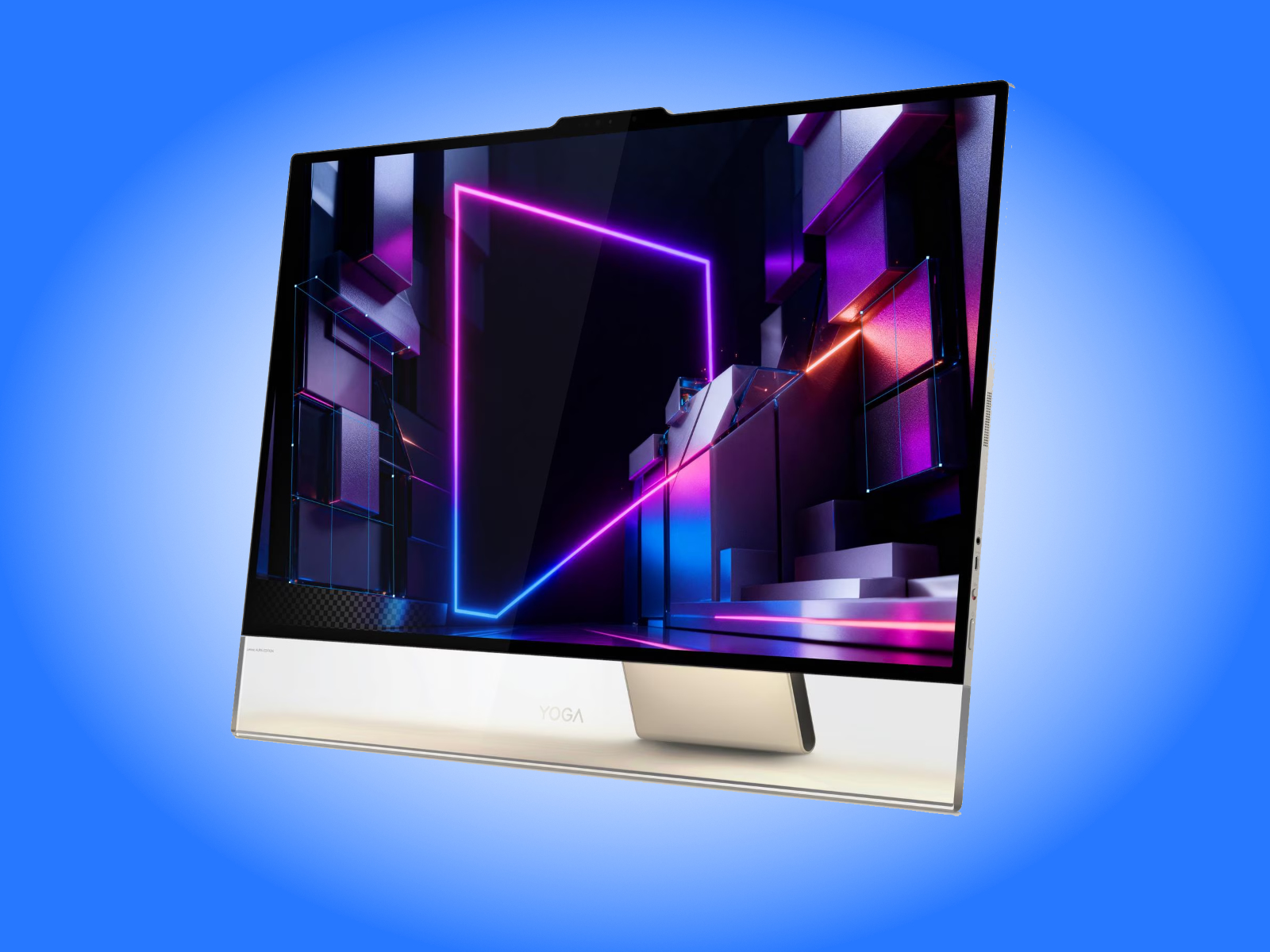
Lenovo is expanding its desktop hardware lineup with a new iteration of its Yoga series, integrating Intel’s upcoming Panther Lake architecture to support enhanced local artificial intelligence processing. The latest addition to the company’s compact desktop range, the Yoga AI Mini PC, features hardware specifications designed to accommodate high-performance computing tasks in a small-form-factor chassis. These devices, which the manufacturer positions as a solution for both professional and home office environments, are currently being rolled out across global markets.
As a technology editor who has tracked the evolution of small-form-factor (SFF) systems for nearly a decade, I have observed a distinct shift in how manufacturers like Lenovo are prioritizing thermal management and AI-ready silicon. The integration of Intel Panther Lake—the successor to the Lunar Lake mobile architecture—represents a significant transition for the Yoga series. Panther Lake is expected to leverage a more advanced process node, likely focused on improving power efficiency and AI throughput compared to its predecessors. According to recent industry reporting, this shift allows the Yoga AI Mini PC to handle intensive computational workloads that were previously reserved for larger desktop towers or systems with dedicated graphics cards.
Hardware Specifications and AI Processing Capabilities
The standout feature of the new Lenovo Yoga AI Mini PC is its support for up to 64 GB of RAM, a capacity that significantly bolsters its potential for local large language model (LLM) execution and multi-threaded productivity applications. By moving AI processing from the cloud to the local hardware, the system aims to reduce latency and improve data privacy for users who rely on generative AI tools daily. The inclusion of high-capacity memory is a notable upgrade, as it allows the integrated NPU (Neural Processing Unit) and GPU to share resources more effectively during complex AI inferencing tasks.

While global specifications are currently being standardized, regional variations are expected. In some territories, including parts of Europe, the base configurations may differ from those available in the primary Chinese market. This segmentation is a common practice for global hardware launches, often dictated by local supply chain constraints or regional market demands for specific power-to-price ratios. Prospective buyers should consult their local Lenovo product pages for the exact CPU clock speeds and cooling solutions available in their specific region.
Display Technology and Compact Design
Beyond the internal processing power, the hardware is designed to support high-fidelity visual output, with certain display configurations boasting brightness levels of 1,000 nits. This brightness threshold is particularly significant for users working in color-accurate workflows, such as video editing or graphic design, where contrast and peak luminance are critical. The OLED technology ensures true blacks and a wide color gamut, which, when paired with the compact footprint of the Yoga Mini chassis, creates a streamlined workspace that minimizes cable clutter.
This design philosophy aligns with the current trend of “desk minimalism,” where users seek to replace bulky desktop towers with high-performance mini-PCs. Similar systems, such as the GMKtec EVO-T2S, have recently demonstrated that integrated graphics architectures are becoming increasingly capable of running demanding software, including AAA gaming titles, without the need for a discrete GPU. Lenovo’s entry into this space with the Yoga AI series signifies a commitment to maintaining a premium aesthetic while delivering the computational throughput expected from a modern desktop.
Market Availability and Future Updates
Lenovo has not yet provided a definitive, universal release date for all global territories, as the rollout is phased. Consumers interested in the Yoga AI Mini PC should monitor official Lenovo press releases and retailer listings for regional pricing, which remains subject to local taxes and import regulations. The company typically provides updates on availability through its regional online stores, which serve as the primary source for technical documentation and warranty information.

The next major milestone for this product line will likely involve the official full-scale documentation release from Intel regarding the final performance benchmarks of the Panther Lake architecture. As more units reach the consumer market, we expect to see independent thermal and performance testing that will clarify how effectively the Yoga Mini’s cooling system handles sustained high-load AI operations. I will continue to monitor these developments and report on performance metrics as they become available. If you have questions about specific configurations or are tracking the release in your country, please feel free to share your findings or inquiries in the comments below.