
As we navigate the complexities of modern nutrition, the relationship between our dietary choices and long-term health outcomes remains a critical focus for public health experts. Among the most discussed topics is the potential link between the high consumption of red and processed meats and the risk of chronic illness, including certain types of cancer. For many, the challenge lies not only in identifying these risks but in understanding how to incorporate protective, nutrient-dense foods into a daily regimen to support systemic health.
The concept of anti-cancer vegetable consumption—incorporating plant-based foods rich in phytonutrients to combat oxidative stress—has gained significant traction in both clinical and community settings. While no single food acts as a “magic bullet,” the strategic inclusion of cruciferous vegetables, berries, and other antioxidant-rich produce is widely recognized by health authorities as a foundational element of cancer prevention and metabolic health. Understanding how these foods interact with our bodies is essential for those looking to mitigate the potential inflammatory effects of a diet heavy in animal proteins.
Understanding the Nutritional Landscape
The International Agency for Research on Cancer (IARC), a branch of the World Health Organization, has classified processed meat as carcinogenic to humans and red meat as probably carcinogenic to humans based on extensive epidemiological evidence. These classifications are based on the strength of the evidence linking these dietary patterns to increased risks, particularly colorectal cancer. For more information on these evidence-based assessments, you can review the official findings from the IARC.
When we discuss “detoxifying” or “anti-inflammatory” foods, we are referring to the body’s natural ability to manage oxidative stress—a process where unstable molecules known as free radicals damage cells. Diets high in processed meats may contribute to this stress, whereas a diet rich in fruits and vegetables provides the vitamins, minerals, and polyphenols necessary to neutralize these radicals. The goal is not a quick fix, but a sustained shift toward a dietary pattern that supports cellular integrity.
The Role of Cruciferous and Color-Rich Produce
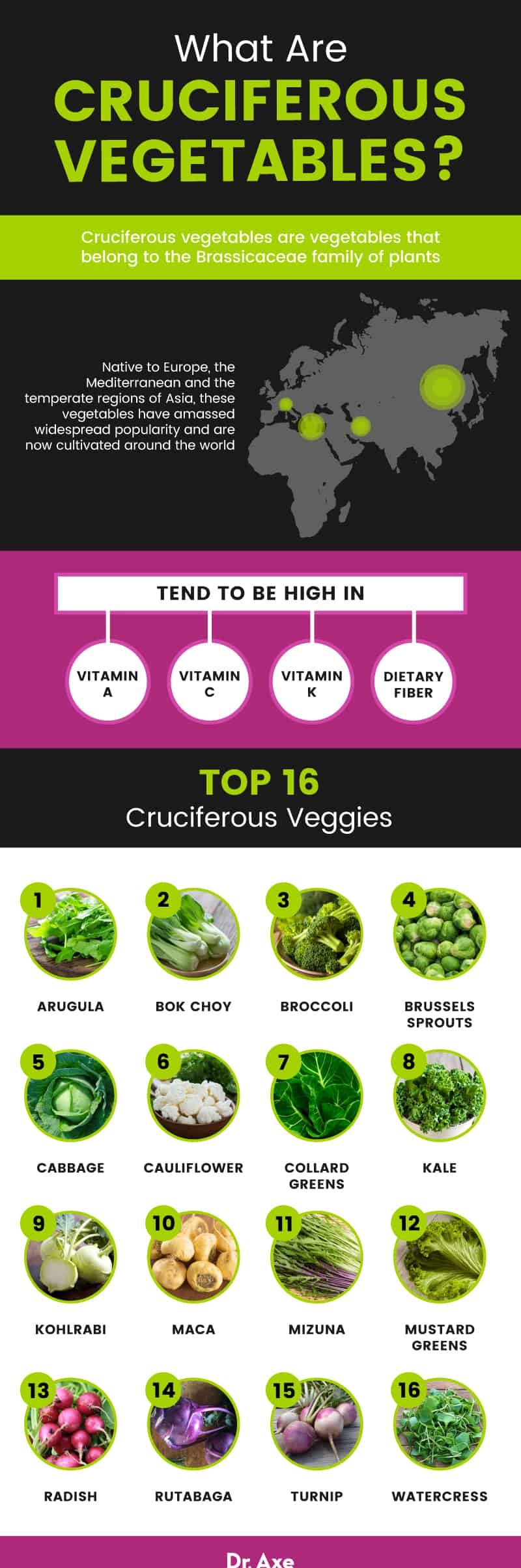
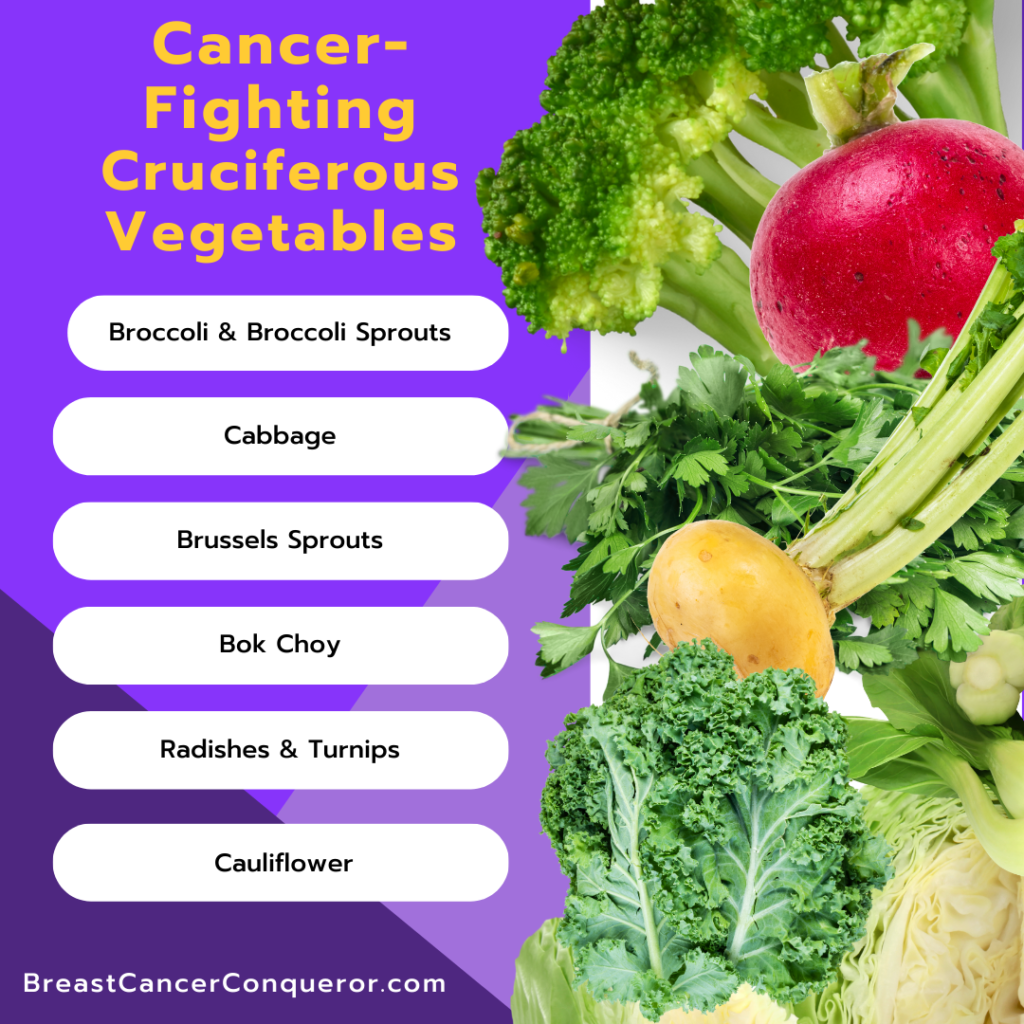
Research consistently highlights specific groups of vegetables for their high concentrations of bioactive compounds. Cruciferous vegetables—such as broccoli, kale, cabbage, and cauliflower—contain sulforaphane, a compound that has been extensively studied for its potential to support the body’s detoxification pathways. According to the National Cancer Institute, these vegetables are a vital component of a cancer-preventive diet because they contain glucosinolates, which are broken down during digestion into biologically active compounds.
Similarly, the inclusion of deeply colored fruits and vegetables—such as blueberries, raspberries, and dark leafy greens—is recommended due to their high antioxidant capacity. These foods help counteract the systemic inflammation often associated with diets high in saturated fats and processed foods. Integrating these into your meals does not require a radical overhaul of your lifestyle; rather, it involves a consistent, gradual increase in variety.
Practical Strategies for Dietary Improvement
For individuals concerned about the potential health implications of their current diet, the path forward is rooted in simplicity and consistency. Nutritionists generally advise the following approaches:
- Prioritize Plant Diversity: Aim to fill at least half of your plate with vegetables of varying colors at every meal.
- Limit Processed Meats: Reduce the intake of sausages, bacon, and deli meats, which are often high in sodium and preservatives.
- Focus on Whole Foods: Choose minimally processed, whole-food sources of protein, such as legumes, nuts, and seeds, which offer fiber and phytonutrients that meat lacks.
- Consistency Over Intensity: Significant health improvements are rarely the result of a short-term “detox” but are instead the cumulative effect of daily, sustainable choices.
It is important to remember that dietary changes take time to manifest in the body’s biomarkers. While some may look for “4-week” results, medical experts emphasize that long-term health is achieved through the permanent adoption of these habits rather than temporary programs. If you are considering a significant change to your diet, especially if you have existing health conditions, it is always recommended to consult with a registered dietitian or a medical professional to ensure your nutritional needs are met.
Navigating Health Information
In an era where dietary advice is abundant, it is crucial to rely on information supported by peer-reviewed studies and recognized health organizations. Be wary of trends that promise rapid results or rely on anecdotal evidence. True health innovation lies in the intersection of traditional wisdom—such as the importance of a plant-rich diet—and modern clinical research.
As we continue to monitor developments in nutritional science, we encourage our readers to stay informed through reputable public health resources. For the latest updates on dietary guidelines, the Dietary Guidelines for Americans provides comprehensive, evidence-based recommendations for maintaining health and preventing chronic disease. We invite you to share your thoughts or questions in the comments section below, as we continue to explore the science of well-being together.
Dr. Helena Fischer serves as the Editor of the Health section at World Today Journal. With an MD from Charité – Universitätsmedizin Berlin and over 11 years of experience in medical journalism, she is dedicated to bridging the gap between complex research and public understanding.
Related reading