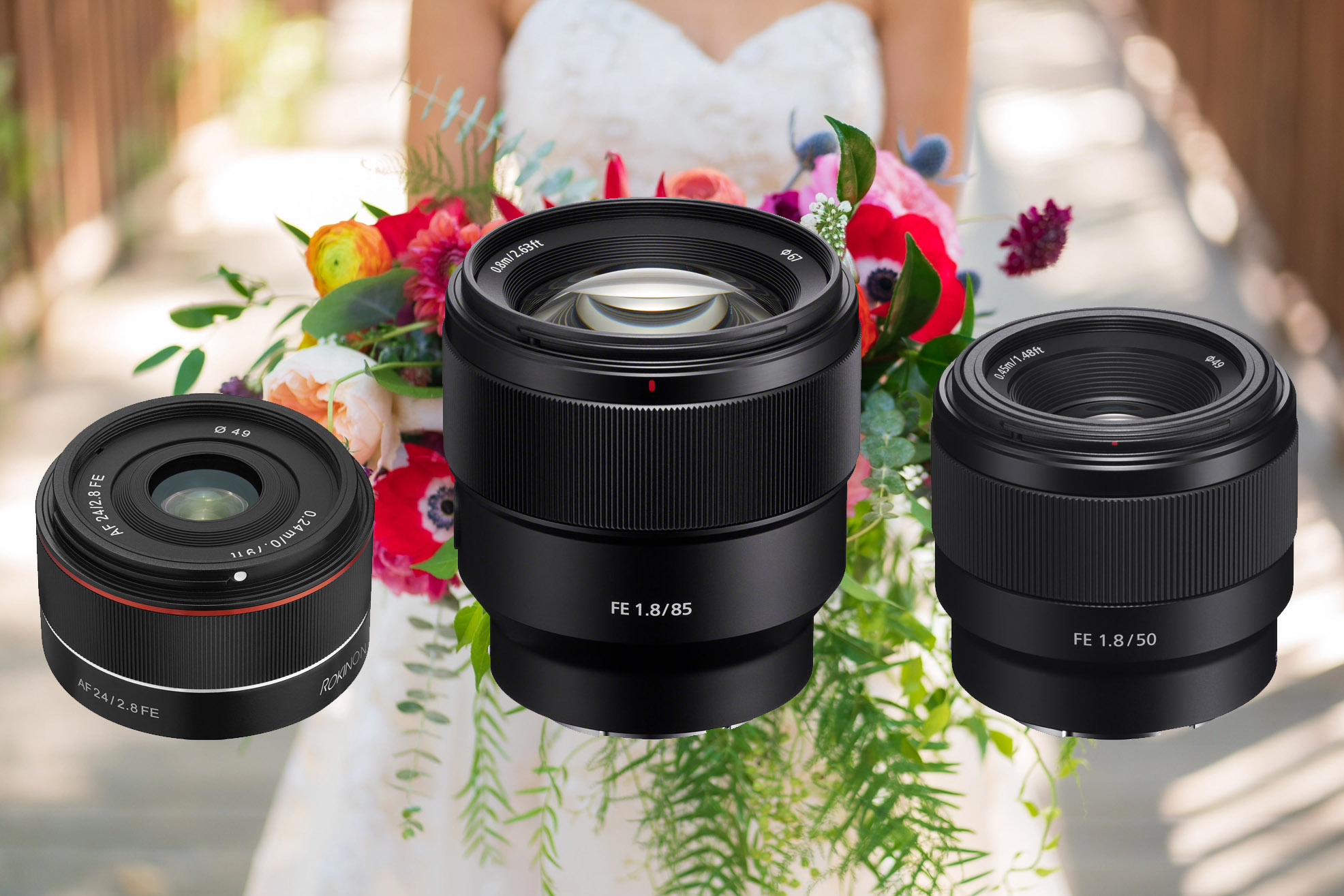
Meike’s Affordable Prime Lenses for Sony Mirrorless Cameras: A Comprehensive Review
For photographers seeking high-quality prime lenses without breaking the bank, Meike has emerged as a compelling alternative to pricier brands like Sony, Sigma and Tamron. The company’s latest lineup of full-frame prime lenses—including the Meike 24mm f/1.4, 35mm f/2, 50mm f/1.8, and 85mm f/1.8—has generated significant buzz among Sony mirrorless camera users. These lenses promise professional-grade optics at a fraction of the cost of their competitors, making them an attractive option for both amateur and seasoned photographers.
In this review, we’ll dive into the performance, build quality, and real-world usability of these four Meike prime lenses, with a focus on their compatibility with Sony’s E-mount mirrorless cameras. Whether you’re a portrait photographer, street shooter, or videographer, understanding the strengths and limitations of these lenses can facilitate you make an informed decision—especially if you’re looking to expand your kit without overspending.
Meike, a Hong Kong-based optics manufacturer, has been gaining traction in the photography community for its budget-friendly yet capable lenses. The company’s latest offerings, particularly the 24mm f/1.4, have been praised for their sharpness and affordability, with prices often under $400—a stark contrast to Sony’s own G Master series, which can cost upwards of $1,500 for comparable focal lengths. But how do these lenses stack up in practice? Let’s break it down.
The Meike Prime Lens Lineup: Key Specifications
Before diving into performance, it’s essential to understand the core specifications of each lens in Meike’s current prime lineup for Sony E-mount cameras. Below is a quick overview of the four lenses we’ll be discussing:
- Meike 24mm f/1.4: A wide-angle prime lens ideal for landscapes, street photography, and environmental portraits. It features a fast f/1.4 aperture, making it suitable for low-light conditions. The lens uses an STM (stepping motor) for autofocus, which Meike claims is both quiet and responsive.
- Meike 35mm f/2: A versatile standard prime lens, often considered the “golden focal length” for documentary and street photography. Its f/2 aperture provides a balance between low-light performance and portability.
- Meike 50mm f/1.8: A classic “nifty fifty” lens, perfect for portraits, product photography, and general-purpose shooting. The f/1.8 aperture offers a shallow depth of field, ideal for creating creamy bokeh.
- Meike 85mm f/1.8: A short telephoto prime lens designed for portrait photography. Its longer focal length and fast aperture make it a favorite for isolating subjects and achieving professional-looking background blur.
All four lenses are designed for full-frame Sony E-mount cameras, such as the Sony A7 IV, A7 III, and A7C, though they are also compatible with Sony’s APS-C models like the A6700, where they provide equivalent focal lengths of approximately 36mm, 52.5mm, 75mm, and 127.5mm, respectively.
Build Quality and Design: A Budget-Friendly Approach
One of the first things photographers notice about Meike lenses is their build quality. Unlike the premium metal construction of Sony’s G Master lenses or the robust build of Sigma’s Art series, Meike lenses are primarily made of high-quality polycarbonate. Although this keeps costs down, it also means they feel lighter and less “premium” in hand. That said, the build is far from flimsy—these lenses are solid enough for everyday leverage and can withstand the rigors of travel and outdoor shooting.
The Meike 24mm f/1.4, for example, weighs just 485 grams, making it significantly lighter than Sony’s FE 24mm f/1.4 GM, which tips the scales at 775 grams. This weight difference is noticeable, especially for photographers who shoot handheld for extended periods. The lens features a metal mount, which adds durability, and a manual focus ring that is smooth and well-damped, though not as precise as higher-end alternatives.
The 35mm f/2, 50mm f/1.8, and 85mm f/1.8 follow a similar design philosophy: lightweight, compact, and functional. The 85mm f/1.8, in particular, is a standout for its portability, weighing just 390 grams. This makes it an excellent choice for portrait photographers who need a lightweight setup for on-location shoots.
One area where Meike lenses cut corners is weather sealing. None of the lenses in this lineup are weather-sealed, which means they’re not ideal for shooting in harsh conditions like rain or dust storms. For photographers who frequently shoot outdoors, this is a limitation worth considering. However, for indoor or controlled-environment shooting, the lack of weather sealing is less of an issue.
Optical Performance: Sharpness, Bokeh, and Aberrations
When it comes to optical performance, Meike lenses deliver impressive results for their price point, though they do exhibit some of the trade-offs common in budget optics. Let’s break down the performance of each lens:
Meike 24mm f/1.4
The 24mm f/1.4 is the star of Meike’s current lineup, offering a fast aperture and wide field of view that makes it ideal for low-light photography and wide-angle compositions. In testing, the lens performs well at its widest aperture, with center sharpness that rivals more expensive alternatives. However, corner sharpness suffers slightly when shooting wide open, a common issue with fast wide-angle lenses. Stopping down to f/2.8 or f/4 significantly improves corner performance, making the lens more versatile for landscape and architectural photography.
Chromatic aberration (color fringing) is present at wider apertures but is well-controlled and easily correctable in post-processing. Vignetting is also noticeable at f/1.4 but becomes less pronounced when stopped down. For photographers who prioritize sharpness and low-light performance, the 24mm f/1.4 is a compelling option, especially given its price tag of around $399.
Meike 35mm f/2
The 35mm f/2 is a versatile lens that strikes a balance between wide-angle and standard focal lengths. It’s an excellent choice for street photography, documentary operate, and environmental portraits. At f/2, the lens delivers sharp images with minimal distortion, though some softness is present in the corners when shooting wide open. Stopping down to f/4 improves overall sharpness, making the lens suitable for a wide range of shooting scenarios.
Bokeh (the quality of out-of-focus areas) is smooth and pleasing, though not as creamy as what you’d gain from a faster f/1.4 lens. Chromatic aberration is minimal, and vignetting is well-controlled, even at wider apertures. The 35mm f/2 is priced at around $249, making it one of the most affordable 35mm primes for Sony E-mount cameras.
Meike 50mm f/1.8
The 50mm f/1.8 is a classic focal length, often referred to as the “nifty fifty” for its versatility and affordability. Meike’s seize on this lens delivers sharp images with a shallow depth of field, making it ideal for portraits, product photography, and general-purpose shooting. At f/1.8, the lens produces a pleasing bokeh, though some onion-ring artifacts (concentric circles in out-of-focus highlights) are visible in certain lighting conditions.
Center sharpness is excellent at f/1.8, while corner sharpness improves significantly when stopped down to f/2.8 or f/4. Chromatic aberration is minimal, and distortion is well-controlled, making the lens a great choice for photographers who want a no-fuss, high-quality prime lens. Priced at around $199, the 50mm f/1.8 is one of the most affordable full-frame primes available for Sony E-mount cameras.
Meike 85mm f/1.8
The 85mm f/1.8 is designed for portrait photographers who want a flattering focal length with a fast aperture. At f/1.8, the lens delivers sharp images with a creamy bokeh that beautifully isolates subjects from their backgrounds. Center sharpness is excellent, while corner sharpness improves when stopped down to f/2.8 or f/4.
Chromatic aberration is minimal, and distortion is virtually nonexistent, making the lens ideal for portrait work. The 85mm f/1.8 is priced at around $349, which is significantly cheaper than Sony’s FE 85mm f/1.8, priced at $598.
Autofocus Performance: Quiet but Not Perfect
Autofocus is a critical factor for photographers, especially those shooting fast-moving subjects or video. Meike lenses use STM (stepping motor) autofocus, which is designed to be quiet and smooth—ideal for video recording. In practice, the autofocus performance of these lenses is decent but not flawless.
The 24mm f/1.4 and 85mm f/1.8 offer the most reliable autofocus, with quick and accurate subject tracking in good lighting conditions. However, in low light or when shooting high-contrast scenes, the autofocus can hunt or miss focus entirely. This is a common issue with budget lenses, and while Meike’s autofocus is better than some competitors, it’s not as consistent as Sony’s native lenses or third-party options like Sigma’s Art series.
The 35mm f/2 and 50mm f/1.8 exhibit similar autofocus behavior, with reliable performance in well-lit environments but occasional struggles in challenging conditions. For photographers who primarily shoot static subjects or use manual focus, this may not be a dealbreaker. However, for those who rely on autofocus for sports, wildlife, or event photography, it’s worth considering a more advanced lens.
Real-World Use Cases: Who Are These Lenses For?
Meike’s prime lenses are an excellent choice for photographers who want high-quality optics without the premium price tag. Here’s a breakdown of who these lenses are best suited for:
- Portrait Photographers: The 85mm f/1.8 and 50mm f/1.8 are ideal for portrait work, offering a flattering focal length and stunning bokeh. The 85mm f/1.8, in particular, is a standout for its sharpness and creamy background blur.
- Street and Documentary Photographers: The 35mm f/2 and 24mm f/1.4 are perfect for street photography, offering a wide field of view and fast apertures for low-light shooting. The 35mm f/2 is especially versatile, making it a great all-around lens for everyday use.
- Videographers: The STM autofocus system in Meike lenses is quiet and smooth, making them a solid choice for video recording. The 24mm f/1.4 and 35mm f/2 are particularly well-suited for cinematic shots, thanks to their wide apertures and sharp optics.
- Budget-Conscious Photographers: If you’re looking to build a full-frame lens kit without spending thousands of dollars, Meike’s prime lenses offer an affordable way to expand your collection. The 50mm f/1.8, in particular, is a great entry point for photographers new to prime lenses.
How Meike Lenses Compare to the Competition
To better understand the value of Meike’s prime lenses, it’s helpful to compare them to their competitors. Below is a quick comparison of Meike’s lenses with similar offerings from Sony, Sigma, and Tamron:

| Lens | Price (Approx.) | Weight | Max Aperture | Autofocus | Weather Sealing |
|---|---|---|---|---|---|
| Meike 24mm f/1.4 | $399 | 485g | f/1.4 | STM | No |
| Sony FE 24mm f/1.4 GM | $1,398 | 775g | f/1.4 | Dual XD Linear | Yes |
| Sigma 24mm f/1.4 DG DN Art | $849 | 515g | f/1.4 | Stepping Motor | Yes |
| Meike 35mm f/2 | $249 | 300g | f/2 | STM | No |
| Sony FE 35mm f/1.8 | $748 | 280g | f/1.8 | Linear Motor | Yes |
| Sigma 35mm f/1.4 DG DN Art | $899 | 645g | f/1.4 | Stepping Motor | Yes |
| Meike 50mm f/1.8 | $199 | 250g | f/1.8 | STM | No |
| Sony FE 50mm f/1.8 | $248 | 186g | f/1.8 | DC Motor | No |
| Sigma 50mm f/1.4 DG DN Art | $1,099 | 670g | f/1.4 | Stepping Motor | Yes |
| Meike 85mm f/1.8 | $349 | 390g | f/1.8 | STM | No |
| Sony FE 85mm f/1.8 | $598 | 371g | f/1.8 | Linear Motor | No |
| Sigma 85mm f/1.4 DG DN Art | $1,199 | 630g | f/1.4 | Stepping Motor | Yes |
As the table shows, Meike lenses are significantly more affordable than their competitors, often costing a fraction of the price. While they may lack some of the premium features of higher-end lenses—such as weather sealing, faster apertures, or more advanced autofocus systems—they deliver impressive optical performance for the price. For photographers who prioritize value and versatility, Meike’s prime lenses are a compelling option.
Key Takeaways: Should You Buy Meike Prime Lenses?
Meike’s prime lenses for Sony E-mount cameras offer an excellent balance of affordability, performance, and versatility. Here are the key takeaways to consider before making a purchase:
- Affordability: Meike lenses are significantly cheaper than their competitors, making them an attractive option for budget-conscious photographers. The 50mm f/1.8, for example, costs just $199, while Sony’s equivalent lens is priced at $248.
- Optical Performance: While not as sharp or consistent as premium lenses, Meike’s primes deliver impressive results for their price point. The 24mm f/1.4 and 85mm f/1.8 are particularly strong performers, offering sharp images and pleasing bokeh.
- Build Quality: Meike lenses are lightweight and compact, making them ideal for travel and everyday use. However, they lack weather sealing, which may be a limitation for outdoor photographers.
- Autofocus: The STM autofocus system is quiet and smooth, making these lenses suitable for video recording. However, autofocus performance can be inconsistent in low light or high-contrast scenes.
- Versatility: Meike’s prime lenses cover a range of focal lengths, from wide-angle to telephoto, making them suitable for a variety of photography genres, including portraits, street photography, and videography.
Final Verdict: A Budget-Friendly Alternative for Sony Shooters
Meike’s prime lenses are a breath of fresh air for photographers who want high-quality optics without the premium price tag. While they may not match the performance of Sony’s G Master lenses or Sigma’s Art series, they offer impressive value for money, making them an excellent choice for budget-conscious shooters, hobbyists, and even professionals looking for a secondary lens.
The 24mm f/1.4 and 85mm f/1.8 are the standout performers in Meike’s lineup, offering sharp images, fast apertures, and pleasing bokeh. The 35mm f/2 and 50mm f/1.8 are also solid choices, particularly for street and portrait photography, respectively. However, photographers who require weather sealing or advanced autofocus may need to look elsewhere.
If you’re a Sony mirrorless camera user looking to expand your lens collection without breaking the bank, Meike’s prime lenses are well worth considering. They may not be perfect, but for the price, they offer an unbeatable combination of performance and affordability.
For the latest updates on Meike’s lens lineup, including new releases and firmware updates, be sure to check the company’s official website or follow their social media channels. And if you’ve already tried Meike’s lenses, we’d love to hear about your experience—share your thoughts in the comments below!