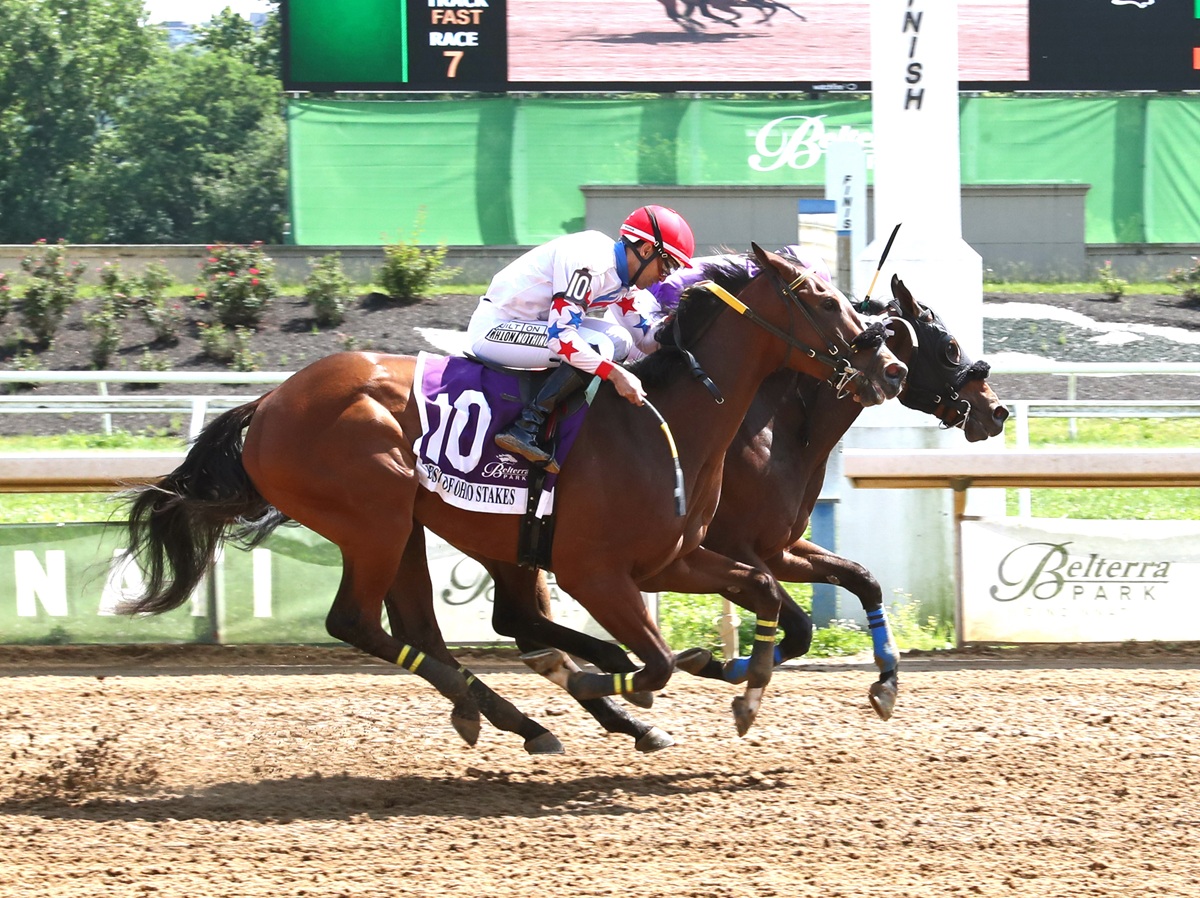
The annual Best of Ohio series remains a cornerstone of the regional Thoroughbred racing calendar, serving as a vital showcase for horses bred and raised within the state’s borders. For trainers, owners, and breeders, these events are more than just races; they are the culmination of a year’s worth of development, representing the pinnacle of Ohio’s equine industry. Held at Belterra Park in Cincinnati, the recent iteration of these stakes provided a dramatic look at the resilience and adaptability required to compete at this level.
One of the most notable challenges during the series involved the Best of Ohio Green Carpet Stakes, a race originally slated for the turf course. Due to track conditions, the event was moved to the main dirt track, forcing participants to pivot their tactical approach on short notice. This transition highlights the unpredictable nature of regional racing and the necessity for versatile equine athletes capable of performing across different surfaces. According to official Equibase race records, such adjustments are part of the regulatory safety protocols that prioritize the well-being of the horse and rider when turf conditions are deemed unsuitable for competition.
Understanding the Significance of the Best of Ohio Series
The Best of Ohio series is administered by the Ohio Horsemen’s Benevolent and Protective Association, an organization dedicated to the interests of those who work directly with the horses. By incentivizing the breeding and racing of Ohio-bred Thoroughbreds, the series strengthens the local agricultural economy and maintains a competitive pipeline for future stakes performers. These races are highly anticipated because they offer significant purse money specifically restricted to horses sired by stallions registered in the state or foaled in Ohio, providing a distinct economic advantage for local participants.
For the uninitiated, the term “Ohio-bred” carries specific weight in the racing community. It signifies that the horse has met strict registration criteria, ensuring that the financial rewards of the sport remain within the state’s ecosystem. When events like the Green Carpet Stakes are forced to shift from turf to dirt, it tests the pedigree and training of the entrants, as the biomechanics of running on a firm turf course differ significantly from the loose surface of a dirt track. Trainers must often evaluate their horses’ past performances on various track compositions to determine if a late change will negatively impact their chances of victory.
The Shift from Turf to Dirt: Tactical Implications
When a race is moved from turf to the main track, We see common for the field to shrink as some trainers choose to scratch their horses, fearing the surface change will lead to injury or poor performance. For the horses that remain in the starting gate, the race dynamic shifts entirely. Turf races often favor speed and tactical positioning, whereas dirt races can be more physically demanding, requiring a different level of stamina, and power. The transition of the Green Carpet Stakes illustrates the decision-making process that track stewards and racing officials must undergo to ensure the day’s card continues safely.
In the context of the 2023 and 2024 racing seasons, Belterra Park has continued to refine its operations to manage these mid-event changes. The track, which is a major fixture in the Cincinnati area, works closely with state regulators to maintain the integrity of the racing surface. These measures are essential not only for the fairness of the competition but for the safety of the jockeys and horses involved. Fans and bettors looking to track the performance of these horses are encouraged to consult the Daily Racing Form, which provides comprehensive past performance data and expert analysis on how individual horses handle track surface transitions.
Key Considerations for Racing Stakeholders
- Surface Versatility: Trainers prioritize horses that demonstrate an ability to handle both turf and dirt, as weather-related surface changes are common in the Midwest.
- Pedigree Analysis: Success in the Best of Ohio series often depends on a horse’s bloodline, as certain sires are known for producing offspring that excel in state-restricted stakes races.
- Regulatory Oversight: All track changes are subject to the approval of the state racing commission, which monitors track moisture levels and safety conditions constantly throughout the race day.
- Economic Impact: The purse structures for these events provide a necessary financial incentive that supports the continued operation of breeding farms across the state.
Looking Ahead: The Future of Ohio Thoroughbred Racing
The success of the Best of Ohio series is a testament to the dedication of the state’s horsemen. As we look toward future race days at Belterra Park and other regional venues, the focus remains on enhancing the spectator experience while upholding the highest standards of animal welfare. The industry continues to evolve, with digital advancements making it easier for fans to access real-time data and follow their favorite horses throughout the season.

For those interested in following the upcoming schedule, the Ohio State Racing Commission provides official calendars and updates on upcoming race meets. Whether you are a seasoned handicapper or a casual fan, understanding the nuances of how these races are managed—including surface switches and eligibility requirements—adds a layer of depth to the viewing experience. The resilience shown by the participants in the Green Carpet Stakes serves as a reminder of the unpredictable yet rewarding nature of Thoroughbred racing.
We welcome your thoughts on the evolution of regional racing and the impact of the Best of Ohio series on the sport at large. Please share this article with fellow enthusiasts and join the conversation in the comments section below regarding your favorite moments from this year’s racing circuit.