
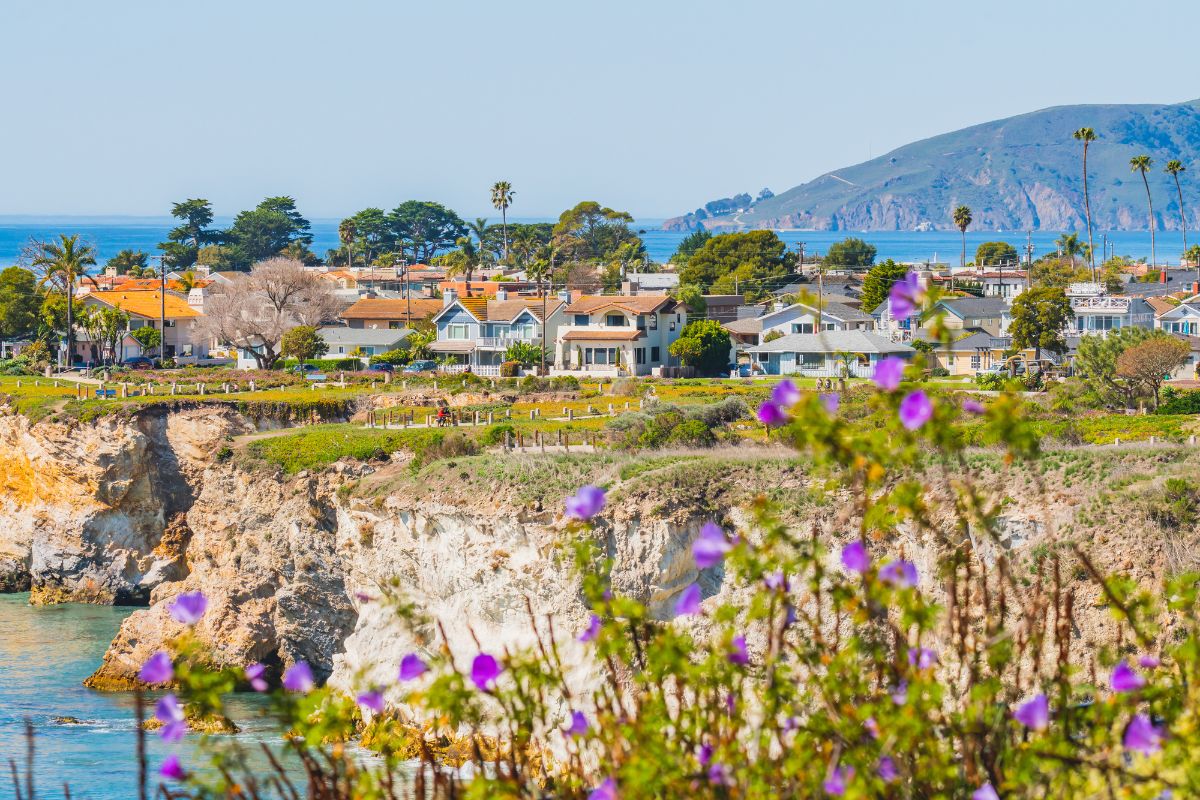
Along California’s rugged central coast, a small town long cherished for its artistic heritage and laid-back atmosphere has recently earned national recognition as the best small coastal town in the United States. The accolade, awarded by a prominent travel publication following extensive reader voting and editorial review, highlights a community that balances natural beauty with cultural vitality without succumbing to the pressures of overdevelopment.
Located approximately three hours north of Los Angeles along Highway 1, the village of Carmel-by-the-Sea has been celebrated for its fairy-tale cottages, white-sand beach, and strict architectural guidelines that preserve its distinctive charm. With a population just under 4,000 residents, the town maintains a pedestrian-friendly downtown where art galleries, independent bookshops, and locally owned restaurants line ocean-view streets devoid of chain stores or billboards. This recent honor adds to a growing list of distinctions that have positioned Carmel as a model for sustainable tourism and thoughtful community planning.
The recognition comes at a time when many coastal destinations across the U.S. Grapple with rising housing costs, seasonal overcrowding, and environmental strain. Carmel’s approach—rooted in decades-old zoning laws that limit building height, prohibit commercial franchises, and require underground utilities—has drawn attention from urban planners seeking alternatives to unchecked growth. Local officials emphasize that the town’s policies are not designed to exclude visitors but to ensure that tourism enhances, rather than erodes, the quality of life for residents.
According to the California Visit tourism board, Carmel-by-the-Sea consistently ranks among the state’s top destinations for domestic and international travelers seeking a tranquil retreat. In 2023, the Monterey County Visitors Association reported that over 1.2 million day visitors explored the Carmel area, contributing significantly to the regional economy while raising ongoing discussions about managing impact without compromising character.
A Legacy of Preservation and Artistic Inspiration
Carmel-by-the-Sea’s identity has long been intertwined with the arts. Founded in the early 20th century as a haven for writers, painters, and musicians, the town attracted creative figures such as poet Robinson Jeffers, who built the iconic Tor House and Hawk Tower using local stone. Today, the legacy continues through numerous galleries, the annual Carmel Art Festival, and the Sunset Cultural Center, which hosts performances ranging from chamber music to contemporary dance throughout the year.
The town’s commitment to preserving its aesthetic extends beyond architecture. Regulations require that modern construction blend with the existing landscape, using materials like wood, stone, and stucco in earth-toned palettes. Rooflines must follow natural contours, and landscaping prioritizes native drought-resistant plants. These rules, enforced by a volunteer architectural review board, have helped maintain a cohesive visual identity that feels both timeless and intentionally crafted.
Real estate in Carmel remains among the most expensive in the nation, with median home prices exceeding $2.5 million, according to data from the Monterey County Assessor’s Office. This reflects both high demand and limited supply, as much of the land within city limits is already developed or preserved as open space. To address housing accessibility, the town has explored accessory dwelling unit (ADU) incentives and partnered with nonprofit organizations to support workforce housing initiatives, though progress remains gradual due to spatial and regulatory constraints.
Balancing Tourism and Community Well-Being
While tourism brings economic benefits, local leaders acknowledge the challenges of managing visitor flow, particularly during peak seasons. Downtown sidewalks can become congested on summer weekends, and parking remains a persistent issue. In response, the city has expanded shuttle services from peripheral lots, promoted biking and walking through improved infrastructure, and encouraged off-season visitation via marketing campaigns highlighting Carmel’s mild winters and spring wildflower blooms.
Environmental stewardship is another pillar of Carmel’s approach. The town operates under a comprehensive climate action plan aimed at reducing greenhouse gas emissions, increasing renewable energy use, and protecting coastal habitats. Recent initiatives include transitioning municipal vehicles to electric models, installing solar panels on public buildings, and collaborating with regional groups to monitor erosion and sea-level rise along Carmel Beach.
Residents frequently cite the town’s walkability, low crime rate, and strong sense of community as key factors in their quality of life. Neighborhood associations remain active, and civic engagement is high, with regular town hall meetings drawing participation on issues ranging from short-term rental regulations to public art installations. The volunteer fire department, supplemented by paid professionals, continues to serve as a point of local pride and emergency readiness.
Looking Ahead: Sustainability as a Guiding Principle
As Carmel-by-the-Sea moves forward, its leaders emphasize that preservation and progress are not mutually exclusive. Ongoing discussions focus on adapting infrastructure to climate resilience, supporting local businesses through economic shifts, and ensuring that future generations can enjoy the same access to nature and culture that has defined the town for over a century.
The recent accolade as America’s best small coastal town serves not as an endpoint but as an affirmation of values long held by those who live and work in Carmel. For travelers seeking a destination where beauty is matched by intention, and where the pace of life allows space for reflection and connection, this quiet village on the edge of the Pacific offers a compelling example of what thoughtful coastal stewardship can achieve.
For official updates on town policies, upcoming events, or visitor information, the City of Carmel-by-the-Sea website provides comprehensive resources, including meeting agendas, planning documents, and seasonal guides.
We invite our readers to share their experiences or thoughts on what makes a coastal community truly special. Have you visited Carmel-by-the-Sea? What stood out to you? Join the conversation in the comments below and share this article with others who appreciate the quiet beauty of well-preserved places.