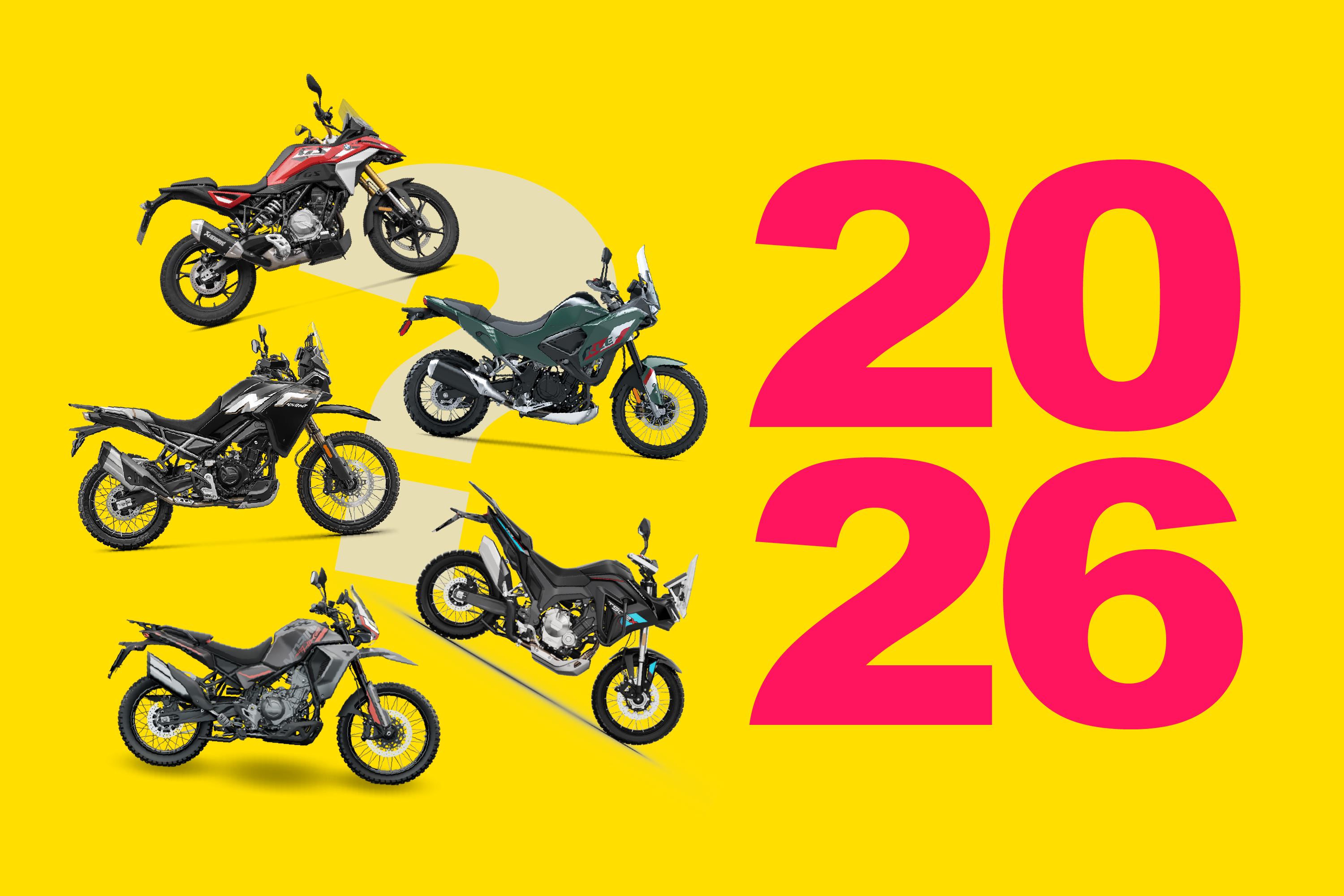
The best small twin-cylinder adventure motorcycles for 2026 are defined by a shift toward “middleweight” versatility, with the Yamaha Ténéré 700 and Honda Transalp XL700 leading the market in reliability and off-road capability. According to current manufacturer specifications and industry reviews from outlets like Cycle World and RevZilla, these models balance fuel efficiency and manageable weight with enough torque for highway transit, filling the gap between lightweight singles and heavy-duty liter-bikes.
For riders seeking a balance of agility and power, the 600cc to 900cc range has become the industry standard for “small” twins. These machines provide a significant upgrade in stability over single-cylinder bikes while remaining light enough to handle in technical terrain. The market for 2026 focuses on refined electronics, improved ergonomics, and increased fuel range to satisfy the growing demand for long-distance adventure touring.
Market data from global distributors indicates that the “middleweight” segment is currently the fastest-growing category in the adventure motorcycle sector. This growth is driven by new riders entering the hobby and experienced tourers downsizing to reduce physical fatigue during multi-day expeditions. The primary competition for 2026 centers on how brands integrate rider aids—such as cornering ABS and traction control—without adding excessive weight to the chassis.
Which twin-cylinder adventure bike offers the best off-road performance?
The Yamaha Ténéré 700 remains the benchmark for off-road performance in the small twin category due to its minimalist approach and 21-inch front wheel. According to Yamaha’s official technical specifications, the bike utilizes a CP2 parallel-twin engine known for linear power delivery and high durability. Unlike its competitors, the Ténéré avoids complex electronic suites, which reduces weight and simplifies field repairs during remote travel.

Industry analysts note that the Ténéré’s lack of a heavy fairing and complex electronics makes it more resilient to drops on gravel and rock. While it may lack the highway comfort of a larger tourer, its narrow profile and high ground clearance allow it to navigate trails that would stop a heavier adventure bike. For riders prioritizing dirt over asphalt, the Ténéré’s chassis geometry provides superior agility in tight switchbacks.
How do the Honda Transalp and Suzuki V-Strom compare for touring?
For riders who spend more time on pavement than in the dirt, the Honda Transalp XL700 and Suzuki V-Strom 800DE offer superior wind protection and seat comfort. Honda’s Transalp is engineered for “soft-roading,” featuring a chassis tuned for stability at cruising speeds and a more forgiving suspension setup for long-distance travel. According to Honda’s product documentation, the Transalp emphasizes a low center of gravity to make the bike easier to handle at low speeds in urban environments.

The Suzuki V-Strom 800DE competes directly in this space with a focus on torque and refined engine manners. Suzuki has implemented a new parallel-twin engine designed to reduce vibration, which is a common complaint in smaller twin-cylinder bikes. Comparison tests by motorcycle journalists highlight that while the V-Strom is heavier than the Ténéré, its superior luggage capacity and integrated electronics make it a more practical choice for cross-continental journeys.
What are the key technical trade-offs in middleweight twins?
Choosing the best small twin for 2026 requires weighing the trade-off between “pure” adventure capability and “sport-touring” convenience. The primary conflict lies in wheel size and electronics. A 21-inch front wheel, found on the Ténéré, is essential for rolling over large obstacles but can make the bike feel slightly more cumbersome on high-speed highway curves. Conversely, 17-inch or 19-inch wheels, common on more road-biased twins, offer sharper steering on tarmac but struggle in deep sand or mud.
Weight is another critical factor. A “small” twin typically weighs between 200kg and 230kg. According to technical data from manufacturers, every additional 10kg of electronic gear or fairing increases the effort required to recover the bike during a low-speed tip-over. Riders must decide if the luxury of a quick-shifter or electronic suspension outweighs the physical demand of managing a heavier machine in the wild.
Comparison of Leading Middleweight Adventure Models
| Model | Primary Strength | Engine Type | Ideal Use Case |
|---|---|---|---|
| Yamaha Ténéré 700 | Off-road Agility | Parallel-Twin | Technical Trails/Bikepacking |
| Honda Transalp XL700 | Balanced Versatility | Parallel-Twin | Light Adventure/Commuting |
| Suzuki V-Strom 800DE | Highway Comfort | Parallel-Twin | Long-Distance Touring |
What happens next for the adventure motorcycle market?
The next major development for the 2026 model year will be the integration of more sophisticated IMUs (Inertial Measurement Units) in smaller displacement bikes. These sensors allow for lean-sensitive braking and traction control, which were previously reserved for 1200cc+ flagship models. Manufacturers are expected to announce updated electronic packages at the upcoming EICMA (European Motorcycle Industry Exhibition), where the focus will likely shift toward “smart” connectivity and integrated GPS navigation.

Additionally, the industry is monitoring the impact of stricter emissions regulations in Europe and North America, which may force manufacturers to adopt hybrid systems or more restrictive exhaust tuning in the middleweight category. This could potentially alter the power-to-weight ratios that currently make these bikes attractive to enthusiasts.
For the most current pricing and availability, riders should consult official manufacturer portals or authorized local dealerships. We welcome your thoughts on which model fits your riding style—share your experiences in the comments below.