
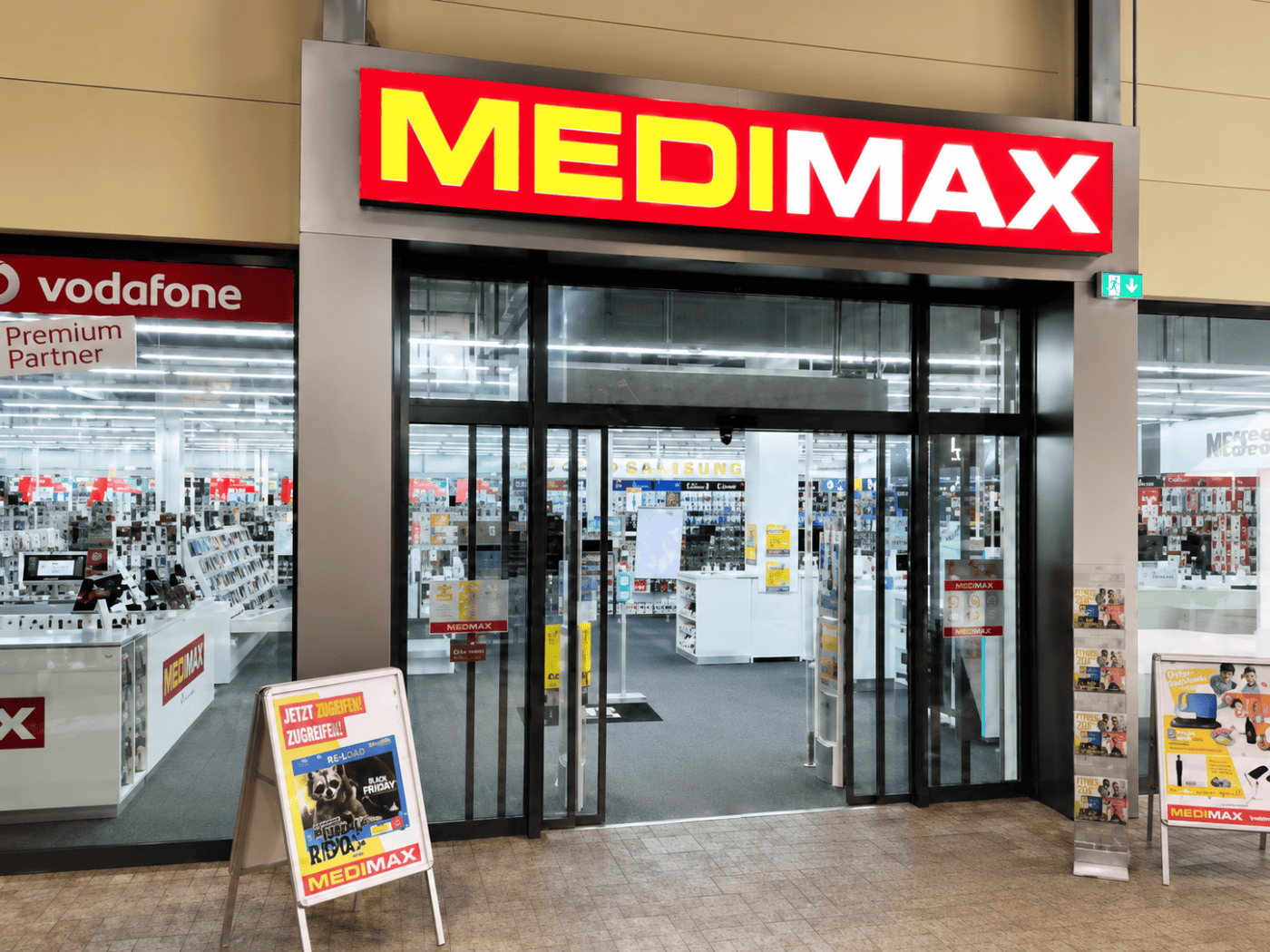
As the 2026 FIFA World Cup approaches, residents in Meißen, Saxony, are increasingly investing in high-end television and audio equipment to upgrade their domestic viewing experiences. Retailers and technology analysts report a surge in demand for large-format displays, soundbars, and stable networking infrastructure as fans prepare for the tournament, which will be co-hosted by the United States, Canada, and Mexico.
The 2026 tournament is scheduled to begin on June 11, 2026, and will conclude with the final match on July 19, 2026, according to the official FIFA tournament schedule. With the matches taking place across multiple time zones, reliable home technology has become a priority for European viewers who intend to follow the competition in high definition.
Upgrading Home Infrastructure for Global Broadcasts
A primary focus for consumers ahead of the 2026 World Cup is the optimization of home network stability. Streaming high-resolution sports content requires consistent bandwidth, which has led to increased interest in Wi-Fi 7 technology and mesh networking systems. According to industry guidance from network hardware providers like AVM (FRITZ!), modern routers are capable of managing the high-density traffic required for 4K streaming, reducing latency during live broadcasts.
For viewers in Meißen, the shift toward “smart” home setups involves more than just a television screen. Technical experts emphasize that the overall “stadium atmosphere” depends heavily on sound quality. The integration of Dolby Atmos-enabled soundbars and multi-channel speaker arrays is currently a leading consumer trend, allowing households to replicate the audio depth of a professional sports venue within a living room environment.
Market Trends in Consumer Electronics
The consumer electronics market in Germany typically sees a cyclical uptick in hardware sales during major international football tournaments. Retailers are currently highlighting several categories of “smart” gadgets that enhance the viewing experience. These include:

- Large-Format OLED/QLED Displays: High-refresh-rate screens are preferred for sports to minimize motion blur during fast-paced play.
- Adaptive Lighting Systems: Smart LED strips that sync with on-screen colors are being marketed to create an immersive environment.
- High-Speed Networking Hardware: Upgraded routers and Wi-Fi extenders to prevent buffering during high-traffic match windows.
While the specific retail landscape in Meißen reflects broader national consumer habits, the emphasis remains on connectivity. As noted by the Verbraucherzentrale, optimizing home networks is a practical step for any household relying on internet-based television services to stream international sports events.
Technical Considerations for 2026
One challenge for European viewers remains the time difference between the host nations and Germany. Because many matches will occur in the afternoon or evening local time in North America, viewers in Saxony will likely be watching during late-night or early-morning hours. Consequently, the demand for high-quality, directional sound—such as wireless headphones—has also grown, allowing fans to enjoy the audio without disturbing neighbors.
Furthermore, the transition to 4K and 8K broadcasting standards means that older television hardware may struggle to process modern high-dynamic-range (HDR) signals effectively. Tech journalists and analysts advise consumers to check their hardware compatibility well before the tournament kickoff to ensure they can access the full visual fidelity of the broadcast signal.
Looking Toward the Opening Match
The next major checkpoint for fans and industry observers is the finalization of the tournament broadcast rights and the release of specific technical requirements for digital streaming platforms in Germany. As FIFA continues to provide updates on the tournament logistics, local retailers in Saxony are expected to align their inventory with these emerging standards.

For those planning to upgrade their home systems, experts suggest monitoring official announcements from both FIFA and national broadcasters regarding signal quality and streaming app support. Please share your thoughts on the best home-viewing setups in the comments section below, and join the conversation as we prepare for the 2026 World Cup.