
You brush your teeth twice a day, use mouthwash, and never skip your dental checkups. So why, then, does your dentist still say you’re at risk for gum disease—or worse, oral cancer? The answer lies in a fundamental truth many of us overlook: oral hygiene is far more than just cleaning your teeth. It’s a dynamic, personalized system of control, prevention, interception, and adaptation—one that demands attention to details most of us miss, even when we think we’re doing everything right.
This isn’t just about the act of scrubbing plaque off your enamel. It’s about understanding the why behind every step—why hydrogen peroxide mouthwash might be more effective than alcohol-based rinses for some, why flossing at night (not morning) could save your gums, and why even the most diligent brusher might be missing early signs of oral cancer lurking in their mouth. The science of oral care has evolved beyond the basics, yet misconceptions persist. For example, a 2020 study in the Journal of Clinical Medicine found that 40% of adults with regular brushing habits still exhibited signs of periodontal inflammation—proving that technique, timing, and even the tools you use matter just as much as frequency.
Dr. Helena Fischer, a physician and health journalist with expertise in public health and medical innovation, explains that modern oral hygiene is a preventive framework. “Most people think they’re ‘good’ at oral care if they follow the 2-minute rule,” she says. “But oral health is like a puzzle: missing one piece—whether it’s the way you angle your toothbrush, the pH level of your mouthwash, or recognizing a suspicious white patch—can lead to serious consequences.” Below, we break down the four pillars of effective oral hygiene that go beyond the basics, backed by the latest research and expert insights.
1. Control: Mastering the Tools and Techniques You’re Using Wrong
If you’re using the same toothbrush, paste, and floss you bought a decade ago, you’re likely leaving critical gaps in your routine. Here’s what the research shows—and what you might be missing:
- Toothbrushes: Electric brushes reduce plaque by up to 23% more than manual ones, according to a 2015 Cochrane Review. But even electric users often make mistakes: brushing too hard (which erodes gums) or too softly (which misses plaque). The American Dental Association recommends a “gentle scrub” at a 45-degree angle.
- Mouthwash: Not all rinses are created equal. Alcohol-based mouthwashes kill bacteria but can dry out saliva, which is your mouth’s natural defense. Hydrogen peroxide-based rinses (like those used in dental offices) are more effective at breaking down biofilm, the sticky layer where plaque forms. A 2017 study in BMC Oral Health found they reduced gingivitis by 30% over six months.
- Flossing: Most people floss incorrectly—or not at all. The key is timing: flossing at night removes food particles that accumulate during the day, reducing bacterial growth overnight. A 2015 study in PLOS ONE showed that nighttime flossing reduced interdental plaque by 40% compared to morning use.
“The average person spends less than 30 seconds on flossing,” notes Fischer. “But it’s not about speed—it’s about contact time. You need to curve the floss around each tooth and slide it under the gumline for about 10 seconds per tooth. That’s where most plaque hides.”
2. Prevention: The Silent Risks You’re Not Screening For
Even with perfect brushing and flossing, oral health isn’t just about cavities. It’s a window into your overall well-being—and early detection can save your life. Here’s what’s often overlooked:
- Oral Cancer: The World Health Organization estimates that over 377,000 new cases of oral cancer are diagnosed annually. Yet 60% are detected too late for effective treatment. Warning signs include white or red patches, persistent sores, or numbness in the mouth—symptoms many dismiss as canker sores.
- Periodontitis: This inflammatory disease destroys gum tissue and bone, linked to heart disease, diabetes, and Alzheimer’s. A 2018 study in Journal of Clinical Periodontology found that 11.2% of adults globally have severe periodontitis—yet many don’t know they have it until it’s advanced.
- Halitosis (Bad Breath): Chronic bad breath isn’t just embarrassing—it can signal underlying issues like sinus infections, acid reflux, or even kidney problems. A 2017 study identified volatile sulfur compounds in breath as biomarkers for metabolic disorders.
“Most people wait for pain to visit the dentist,” says Fischer. “But by then, it’s often too late. Regular screenings for oral cancer and periodontal disease should be part of your hygiene routine, especially if you’re over 35 or smoke.” The American Cancer Society recommends oral cancer exams every three years for adults over 20.
3. Interception: When Your Mouth Warns You Before Other Symptoms Appear
Your mouth doesn’t just reflect your oral health—it can predict systemic issues years before they’re detectable elsewhere. Here’s how to read the signals:
- Gum Recession: If your gums are pulling away from your teeth, it could indicate aggressive brushing, gum disease, or even vitamin deficiencies (like low vitamin C). Recession exposes roots, increasing sensitivity and risk of decay.
- Coated Tongue: A white or yellow coating can signal oral thrush (a fungal infection), dry mouth, or even diabetes. A 2017 study linked tongue coating to a 2.5x higher risk of prediabetes.
- Tooth Sensitivity: Sudden sensitivity to hot/cold could mean enamel erosion (from acidic foods or bulimia), cavities, or exposed roots. The American Dental Association warns that ignoring it can lead to nerve damage.
“Your mouth is a mirror,” Fischer emphasizes. “Changes in color, texture, or smell are often the first signs of something larger. For example, oral lichen planus—a chronic inflammatory condition—can appear as white lace-like patterns in the mouth and is strongly linked to autoimmune diseases like lupus.”
4. Personalization: Why One-Size-Fits-All Doesn’t Work
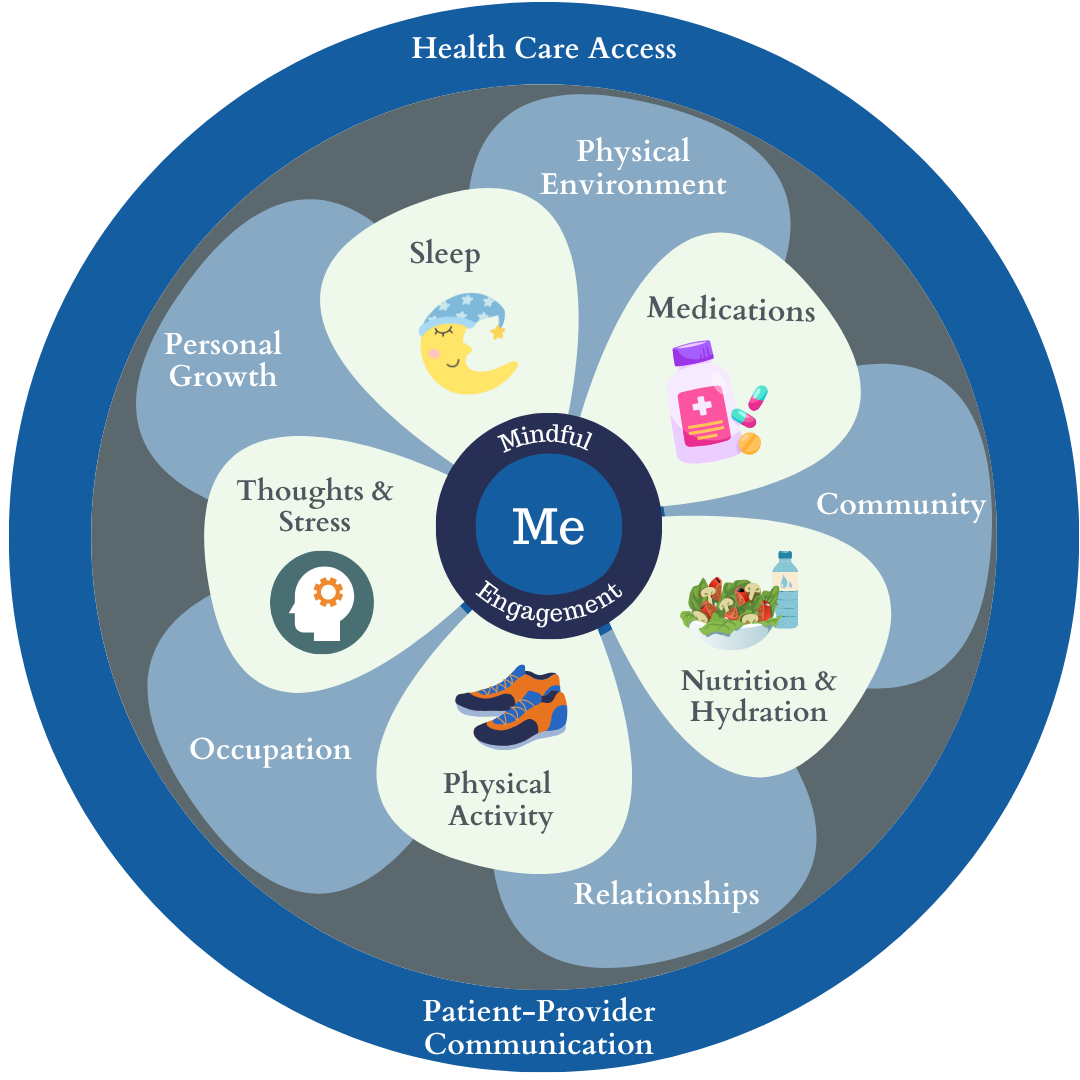
Genetics, medications, diet, and even your saliva’s pH level dictate what works for your mouth—and what doesn’t. Here’s how to tailor your routine:
- Saliva Tests: Companies like Oralome now offer at-home kits to analyze your oral microbiome. Imbalances can predict gum disease, cavities, or even cancer risk before symptoms appear.
- Medication Side Effects: Over 500 drugs list dry mouth as a side effect, increasing cavity risk. If you take antihistamines, antidepressants, or blood pressure meds, ask your dentist about xylitol gum or fluoride supplements.
- Dietary Adjustments: Acidic foods (citrus, soda) and sticky carbs (candy, dried fruit) feed harmful bacteria. A 2017 study found that people who consumed sugary snacks more than twice a day had a 45% higher risk of tooth decay.
“Personalization is the future of oral care,” Fischer says. “What works for your friend might harm your gums. For example, oil pulling (swishing coconut oil) is popular, but a 2015 study found it reduced plaque by 50%—but only when combined with brushing. Alone, it’s ineffective.”
Key Takeaways: What You Need to Do Today
- Upgrade your tools: Switch to an electric toothbrush and hydrogen peroxide mouthwash if you’re prone to plaque.
- Floss at night, not morning, for maximum plaque removal.
- Schedule an oral cancer screening if you’re over 35 or smoke—even if your teeth feel fine.
- Watch for “silent” signs: gum recession, coated tongue, or sudden sensitivity.
- Personalize your routine: Adjust for medications, diet, and saliva pH.
What’s Next: The Future of Oral Hygiene
Innovations like AI-powered brushes (which track your technique), saliva-based cancer detection kits, and microbiome-targeted probiotics are reshaping oral care. The FDA has already approved AI tools to analyze dental X-rays for early decay. Meanwhile, researchers at the NYU College of Dentistry are testing oral swabs that can detect Alzheimer’s biomarkers up to a decade before symptoms appear.

“The next frontier is preventive tech,” Fischer predicts. “Imagine a toothbrush that sends your brushing data to your dentist in real time—or a mouthwash that changes color if your pH is off. These tools will make oral hygiene as personalized as your genome.”
Your Turn: Share Your Oral Health Story
Has a dental checkup saved your life—or caught a condition you didn’t know you had? What’s one oral hygiene habit you swear by? Share your experiences in the comments below, and let’s demystify the science together. For more expert insights, follow World Today Journal’s Health section or connect with Dr. Fischer on Twitter.