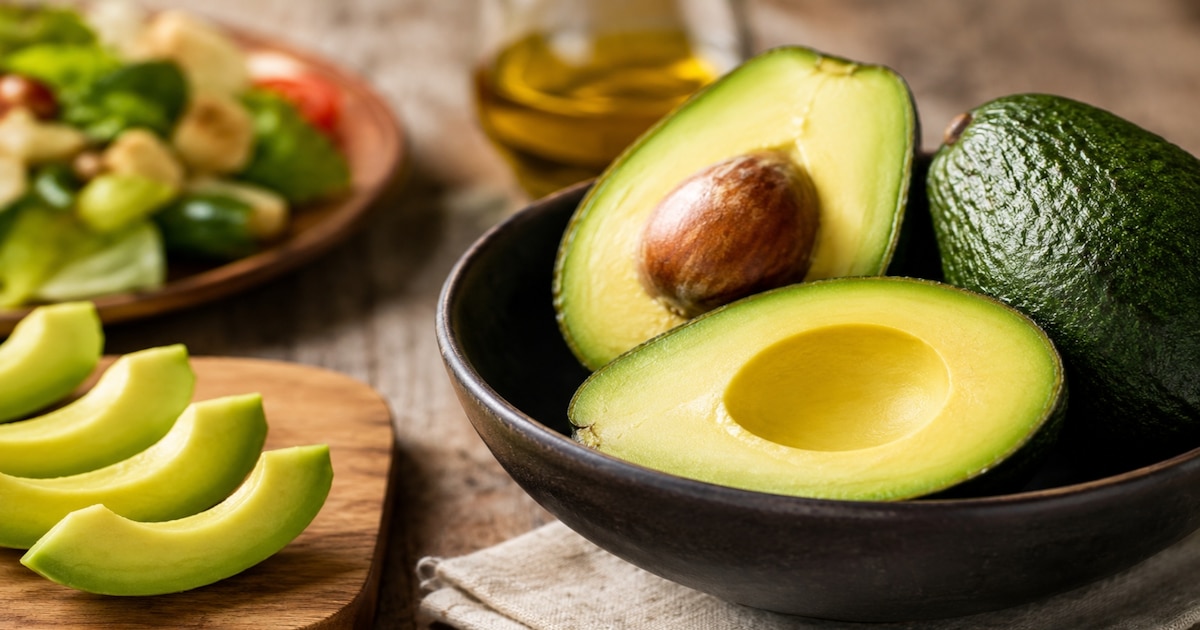
Avocados are a nutritional powerhouse—packed with heart-healthy monounsaturated fats, fiber, and vitamins—but new research suggests that eating too much could come with unexpected risks. While the fruit has long been praised for its cholesterol-lowering and blood-sugar-regulating properties, experts now warn of potential digestive discomfort, nutrient imbalances, and even metabolic strain when consumed in excess. With global avocado consumption rising by nearly 20% annually, understanding the limits of this trendy superfood is more important than ever.
According to the U.S. Department of Agriculture (USDA), a single medium avocado (about 200 grams) contains roughly 320 calories, 29 grams of fat (mostly unsaturated), 14 grams of carbohydrates (including 10 grams of fiber), and 3 grams of protein. Yet, while these numbers may seem modest, the cumulative effect of daily avocado consumption—especially in large portions—can lead to unintended health consequences. “Avocados are nutrient-dense, but like any food, they should be consumed in moderation,” says Dr. Maria Rodriguez, a registered dietitian and spokesperson for the Academy of Nutrition and Dietetics. “What’s healthy for one person may not be for another, depending on their metabolic needs and underlying health conditions.”
This article explores the verified risks of overconsuming avocados, backed by clinical studies and expert opinions, while providing practical guidance on how to enjoy this versatile fruit without compromising health.
What Are the Risks of Eating Too Much Avocado?
Despite their reputation as a “healthy fat,” avocados contain a significant amount of fat—about 77% of their calories come from fat, primarily in the form of monounsaturated and polyunsaturated fats. While these are beneficial in moderation, consuming excessive amounts may contribute to:
- Digestive discomfort: Avocados are high in fiber (10 grams per medium fruit), which can cause bloating, gas, or diarrhea in some individuals, particularly those with sensitive digestive systems or conditions like irritable bowel syndrome (IBS). A 2022 study published in the Journal of Food Science found that high-fiber diets can exacerbate symptoms in up to 30% of people with IBS.
- Caloric surplus: With 320 calories per medium avocado, frequent overconsumption—such as eating multiple avocados daily—can contribute to weight gain if not balanced with increased physical activity. The CDC recommends that adults aim for a daily caloric intake of 2,000–2,500 calories, depending on activity level.
- Potassium overload: A single avocado provides 975 milligrams of potassium, nearly 22% of the recommended daily value. While potassium is essential for heart and muscle function, excessive intake—especially for those with kidney issues—can lead to hyperkalemia, a condition where potassium levels become dangerously high. The National Kidney Foundation warns that individuals with chronic kidney disease should monitor potassium intake carefully.
- Nutrient imbalances: Avocados are low in protein (only 3 grams per fruit) and contain no vitamin C or calcium. Relying too heavily on avocados as a primary food source could lead to deficiencies in these essential nutrients over time.
Additionally, avocados contain phytochemicals like carotenoids and polyphenols, which are beneficial in moderation but may interact with certain medications or cause allergic reactions in sensitive individuals. The FDA reports that avocado allergies, though rare, can trigger severe reactions in some people.
How Much Avocado Is Too Much?
There is no one-size-fits-all answer, but health experts generally recommend limiting avocado intake to one medium avocado (200 grams) per day for most adults, unless part of a larger, balanced diet. The Harvard T.H. Chan School of Public Health suggests that individuals with specific health conditions—such as kidney disease, diabetes, or digestive disorders—should consult a healthcare provider to determine a safe intake level.
For context, a 2023 survey by the International Fresh Produce Association found that 42% of avocado consumers in the U.S. and Europe reported eating at least one avocado daily, with 15% consuming two or more. While this may not pose risks for healthy individuals, it highlights the need for awareness among frequent consumers.
Who Is Most at Risk from Overconsumption?
Certain groups should be particularly cautious when increasing avocado intake:

- People with kidney disease: Due to the high potassium content, those with impaired kidney function may need to restrict avocado consumption. The National Kidney Foundation advises limiting potassium-rich foods to 2,000–3,000 milligrams per day.
- Individuals with IBS or digestive sensitivities: The high fiber content can worsen symptoms. A 2021 study in Gastroenterology noted that soluble fiber (like that in avocados) may help some IBS patients, while insoluble fiber can trigger flare-ups.
- Those on blood-thinning medications: Avocados contain vitamin K, which can interfere with warfarin (Coumadin). The UpToDate medical resource recommends consistent vitamin K intake for stable warfarin levels.
- People with latex allergies: Avocados belong to the same plant family as latex, and some individuals with latex allergies may experience cross-reactivity. The American Academy of Allergy, Asthma & Immunology reports that symptoms can range from mild itching to severe anaphylaxis.
How to Enjoy Avocados Safely
Avocados remain a valuable part of a healthy diet when consumed mindfully. Here’s how to balance their benefits with potential risks:

- Portion control: Stick to one medium avocado per day unless advised otherwise by a healthcare provider.
- Pair with other nutrients: Combine avocados with protein-rich foods (like grilled chicken or beans) and leafy greens to create a balanced meal.
- Monitor symptoms: If you experience bloating, diarrhea, or other digestive issues after eating avocado, reduce your intake and consult a doctor.
- Check for allergies: If you have a latex allergy, introduce avocados gradually and watch for reactions.
- Kidney health: Those with kidney disease should track potassium intake and discuss avocado consumption with their nephrologist.
For those managing specific health conditions, registered dietitians can help tailor avocado intake to individual needs. The Academy of Nutrition and Dietetics offers tools to find a qualified dietitian in your area.
What Does the Science Say?
While avocados are widely celebrated for their health benefits, emerging research provides a more nuanced perspective:
- Heart health: A 2020 study in the Journal of the American Heart Association found that avocado consumption was associated with a 16% lower risk of coronary heart disease—but this benefit was observed in moderation (about half an avocado daily).
- Blood sugar control: Research published in Metabolism in 2021 suggested that avocados may improve insulin sensitivity, but only when replacing less healthy fats in the diet—not when added to an already high-fat intake.
- Weight management: A 2022 randomized controlled trial in Nutrients found that adding avocado to meals increased satiety and reduced overall calorie intake later in the day, but only when portions were controlled.
These studies underscore that avocados are not a “magic food” but rather one component of a balanced diet. “The key is variety,” says Dr. Rodriguez. “No single food should dominate your plate. Avocados are a great addition, but they shouldn’t be the only source of nutrients in your diet.”
Next Steps: What’s Being Studied?
Research into avocado’s long-term effects is ongoing. In 2023, the American Society for Nutrition announced funding for a five-year study examining the metabolic impact of high-avocado diets in diverse populations. Preliminary findings are expected in 2028 and may provide clearer guidelines for safe consumption.

In the meantime, public health organizations like the World Health Organization (WHO) continue to emphasize the importance of dietary balance. Their 2023 guidelines recommend limiting added fats while encouraging the consumption of whole, minimally processed foods—avocados included, but in moderation.
Key Takeaways
- Avocados are nutrient-dense but should be consumed in moderation (one medium avocado per day for most adults).
- Overconsumption may lead to digestive issues, caloric surplus, or nutrient imbalances, particularly in vulnerable groups.
- Individuals with kidney disease, IBS, or latex allergies should exercise caution or consult a healthcare provider.
- Pair avocados with other foods to create balanced meals and avoid relying on them as a primary food source.
- Ongoing research may refine recommendations, but current evidence supports avocados as a beneficial—but not unlimited—part of a healthy diet.
As with any dietary trend, the key is mindfulness. Avocados are not inherently “bad,” but their benefits are maximized—and risks minimized—when enjoyed as part of a varied, balanced diet.
For personalized advice, consult a registered dietitian or healthcare provider. Have you noticed any changes in your health after increasing avocado intake? Share your experiences in the comments below.
Related reading