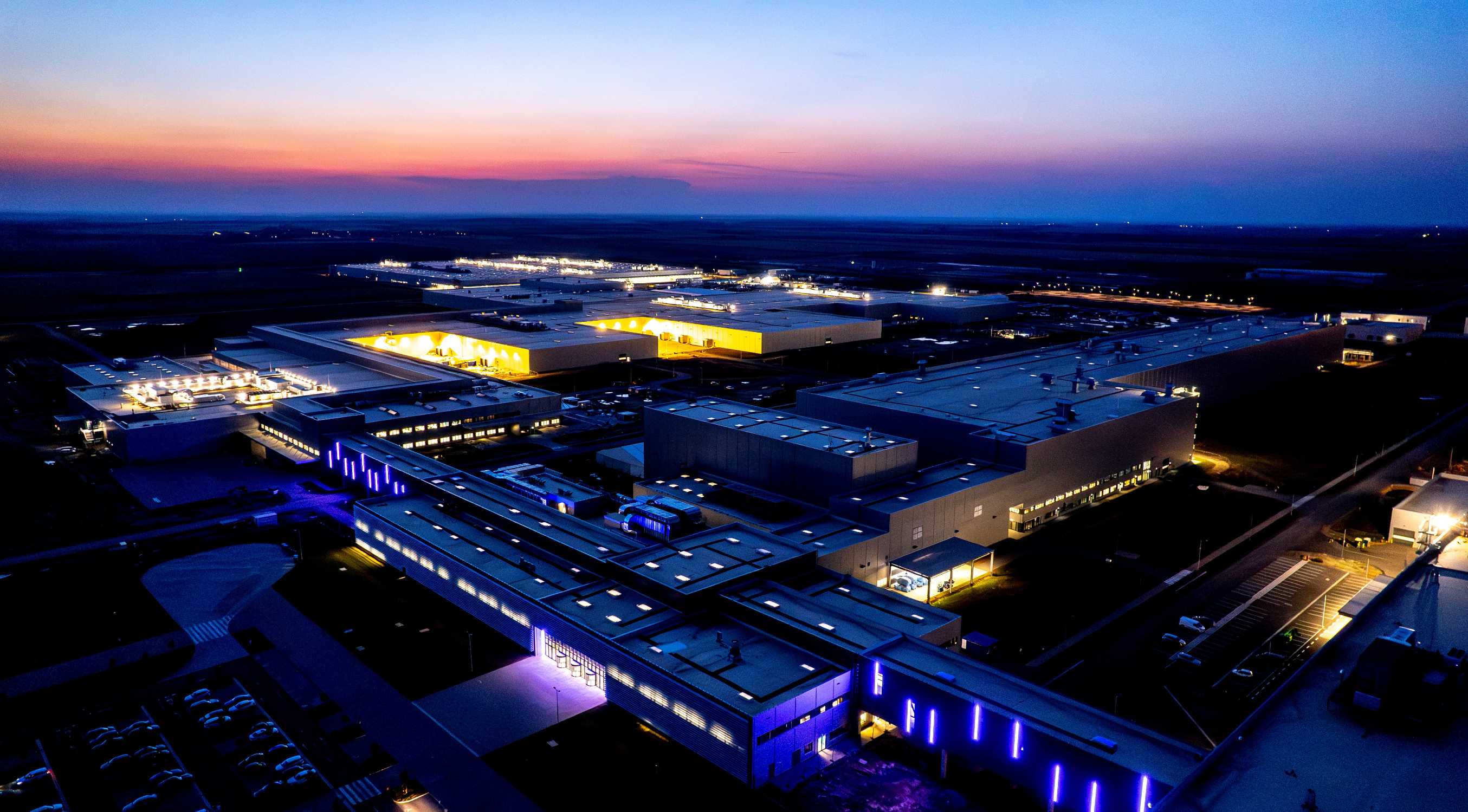
Szeged, Hungary — Chinese electric vehicle manufacturer BYD will invest up to $1 billion to construct a new manufacturing plant in Szeged, Hungary, marking its first major production facility in Europe. The project, announced in early 2024, is expected to create 2,000 direct jobs and produce up to 150,000 electric vehicles annually by 2027, according to Hungarian government sources and BYD’s official statements. The factory will focus on assembling battery electric vehicles (BEVs) and potentially hydrogen-powered models, positioning Hungary as a key hub for BYD’s expansion into the European market.
The decision follows BYD’s rapid global growth, including recent partnerships with major automakers and a surge in European demand for affordable EVs. Analysts cite the plant as a strategic move to reduce reliance on Asian supply chains amid geopolitical tensions and EU regulations pushing for localized production. “This is a game-changer for Hungary’s automotive sector,” said Hungarian Prime Minister Viktor Orbán, who emphasized the project’s role in diversifying the country’s economy beyond traditional industries.
However, the project faces scrutiny over environmental concerns, labor conditions, and potential competition with existing EU automakers. The Hungarian government has pledged €1.5 billion in subsidies, but critics argue the deal lacks transparency on job quality and environmental safeguards. Below, we break down the confirmed details, stakeholder reactions, and what happens next.
Why Is BYD Building a Factory in Szeged?
BYD’s investment in Szeged aligns with three key strategic priorities:
- Localized EV production: The EU’s 2035 ban on new internal combustion engine vehicles requires automakers to manufacture EVs within the bloc to avoid tariffs. BYD’s plant will produce models compliant with EU emissions standards, avoiding potential trade barriers.
- Supply chain resilience: Geopolitical tensions between China and Western nations have disrupted global supply chains. A European production hub reduces BYD’s exposure to export restrictions, as seen with recent semiconductor shortages affecting Asian manufacturers.
- Market expansion: Europe is BYD’s fastest-growing market outside China, with demand for affordable EVs surging. The Szeged plant will supply models like the BYD Atto 3 and BYD Sea 0, priced below €30,000, targeting consumers priced out of Tesla and Volkswagen offerings.
According to Financial Times, BYD’s European strategy also includes partnerships with Stellantis and Toyota, but the Szeged plant will be its first fully owned and operated facility in the region.
What Models Will Be Produced in Szeged?
While BYD has not released a finalized product list, leaked documents and interviews with Hungarian officials suggest the Szeged plant will initially focus on:
- BYD Atto 3: A compact EV priced at €25,000–€28,000, already selling in China and Europe. The model uses BYD’s Blade Battery, which the company markets as safer and more durable than traditional lithium-ion batteries.
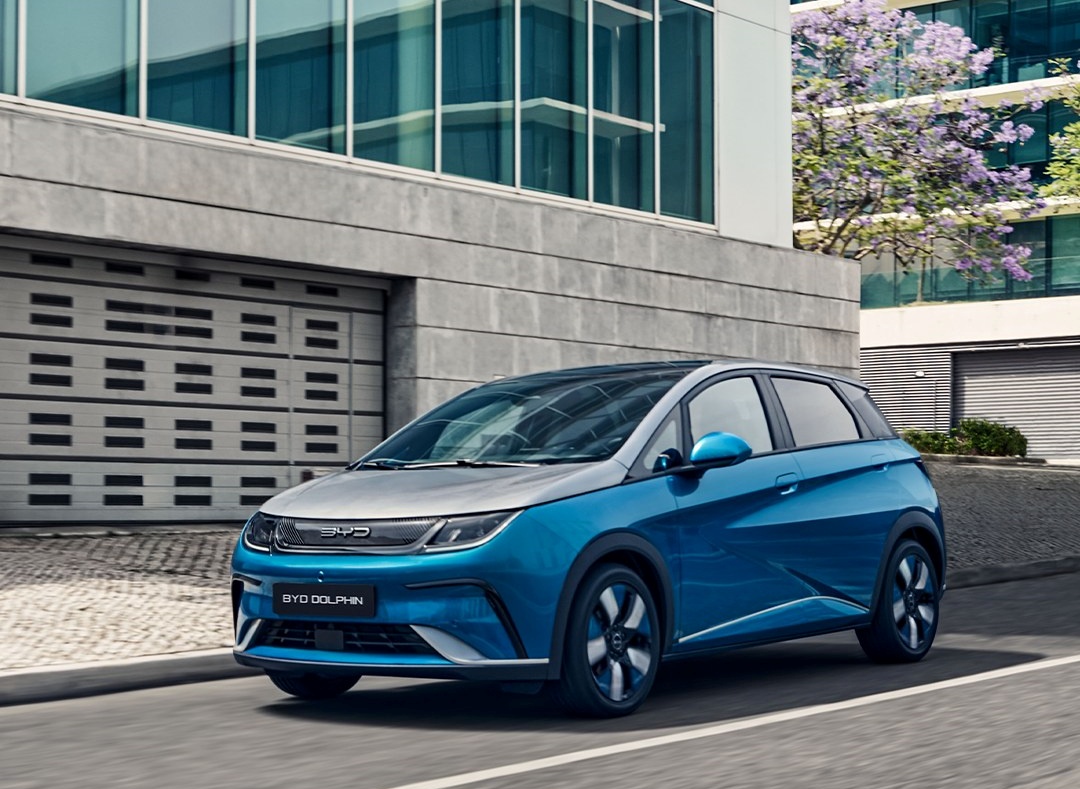
- BYD Dolphin: A mid-sized sedan expected to launch in Europe in 2025, competing with models like the Tesla Model 3 and VW ID.3.
- Hydrogen fuel cell vehicles (potential):** BYD has hinted at producing hydrogen-powered models in Szeged, though no official confirmation exists. The company’s Seagull hydrogen truck has gained traction in China, and Europe’s hydrogen infrastructure push could make this a viable addition.
Production will ramp up in phases: 30,000 units in 2026, 80,000 in 2027, and full capacity of 150,000 by 2028. “The first vehicles will roll off the assembly line by late 2025,” confirmed BYD Europe CEO Matthias Schmidt in a March 2024 interview.
How Will This Impact Hungary’s Economy and Jobs?
The Szeged plant is Hungary’s largest foreign direct investment in automotive manufacturing since Audi’s Győr plant opened in 1993. Economic projections from the Hungarian Ministry of Innovation and Technology estimate:
- 2,000 direct jobs: Assembly line workers, engineers, and technicians, with wages starting at €1,500–€2,000/month, above Hungary’s average industrial wage.
- 5,000 indirect jobs: Suppliers, logistics, and service providers in the region.
- €1.5 billion in government subsidies: Covering infrastructure, training programs, and tax incentives. Critics argue this could divert funds from Hungary’s struggling healthcare and education sectors.
Labor unions, however, have raised concerns about working conditions. “BYD’s Chinese-owned factories have faced criticism for long hours and limited worker protections,” said László Szabó, head of the Hungarian Trade Union Confederation. “We’re demanding EU labor standards be enforced from day one.”
What Are the Environmental and Political Challenges?
The project has sparked debate over its environmental and geopolitical implications:
- Battery sourcing: BYD currently sources battery materials from China, raising questions about the plant’s carbon footprint. The EU’s Critical Raw Materials Act requires 40% of battery components to be produced within the bloc by 2030. BYD has not confirmed plans to localize battery production in Hungary.
- Subsidy competition: The €1.5 billion Hungarian package exceeds subsidies offered to Tesla’s Gigafactory Berlin (€750 million) and Stellantis’ Kraków plant (€2.5 billion). The EU is reviewing whether the deal complies with state aid rules.
- Geopolitical tensions: The U.S. and EU have imposed tariffs on Chinese EVs, including BYD models. A European production base could help BYD avoid future trade barriers, but it may also intensify competition with local automakers.
In response, the European Commission has launched an anti-subsidy investigation into Hungary’s support package, citing concerns over “distorting competition.” A decision is expected by mid-2025.
Who Are the Key Stakeholders and What’s Next?
The Szeged plant’s success hinges on cooperation between multiple parties:
- BYD: Will finalize site preparations by mid-2024 and begin hiring in early 2025. The company has pledged to train Hungarian workers in its “Factory of the Future” automation system.
- Hungarian government: Must secure EU approval for subsidies and negotiate labor agreements. Prime Minister Orbán has framed the project as a “national priority,” but opposition parties have called for stricter environmental safeguards.
- EU regulators: Will monitor the plant’s compliance with emissions, labor, and trade rules. Any violations could trigger fines or production halts.
- Local communities: Residents near Szeged have expressed mixed reactions. While some welcome the economic boost, others worry about traffic and pollution from increased industrial activity.
The next critical milestones are:
- June 2024: Groundbreaking ceremony and start of infrastructure work.
- December 2024: First phase of hiring (1,000 workers).
- Late 2025: Pilot production begins with the BYD Atto 3.
- Mid-2025: EU decision on state aid compliance.
How Does This Compare to Other EV Plants in Europe?
BYD’s Szeged plant is part of a broader wave of EV manufacturing investments across Europe. Here’s how it stacks up:

| Plant | Company | Location | Investment | Capacity (Annual) | Models | Status |
|---|---|---|---|---|---|---|
| Gigafactory Berlin | Tesla | Grünheide, Germany | $7 billion | 500,000 EVs | Cybertruck, Model Y | Operational (2022) |
| Kraków Plant | Stellantis | Kraków, Poland | $2.5 billion | 150,000 EVs | Peugeot e-308, Citroën ë-C4 | Under construction (2025) |
| Szeged Plant | BYD | Szeged, Hungary | $1 billion | 150,000 EVs | Atto 3, Dolphin | Planned (2025) |
| Riga Plant | Geely | Riga, Latvia | $1.2 billion | 100,000 EVs | Volvo EX30, Polestar 2 | Planned (2026) |
Key differences: Unlike Tesla’s vertically integrated Berlin plant or Stellantis’ partnership with Fiat, BYD’s Szeged facility will initially focus on assembly rather than battery production. This aligns with BYD’s strategy of leveraging existing Chinese supply chains while gaining a foothold in Europe.
What Should Readers Watch For?
For investors, consumers, and policymakers, the Szeged plant’s development will be closely watched for:
- Production delays: BYD’s history of tight deadlines (e.g., India plant delays) raises questions about whether the Hungarian timeline will hold.
- Pricing and competition: If BYD prices its Szeged-made models below €30,000, it could pressure European automakers to lower prices or accelerate their own EV production.
- Labor disputes: Unions may challenge BYD’s management style, as seen in China, potentially leading to strikes or legal action.
- EU regulatory hurdles: If the Commission rules Hungary’s subsidies illegal, BYD may need to renegotiate terms or scale back the project.
Where to Find Official Updates
For the latest on BYD’s Szeged plant, monitor these sources:
- BYD Official Website – Corporate announcements and product details.
- Hungarian Government Portal – Subsidy updates and labor agreements.
- European Commission Press Releases – State aid investigations and EU compliance.
- Hungarian Trade Union Confederation – Labor rights and working conditions.
Next checkpoint: The Hungarian government will announce the first round of hiring in December 2024, with pilot production expected by late 2025. The EU’s decision on state aid compliance is due by mid-2025.
This project could redefine Hungary’s industrial future—but its success depends on navigating labor, regulatory, and geopolitical challenges. What impact do you think BYD’s arrival will have on Europe’s EV market? Share your thoughts in the comments below.
Keep reading