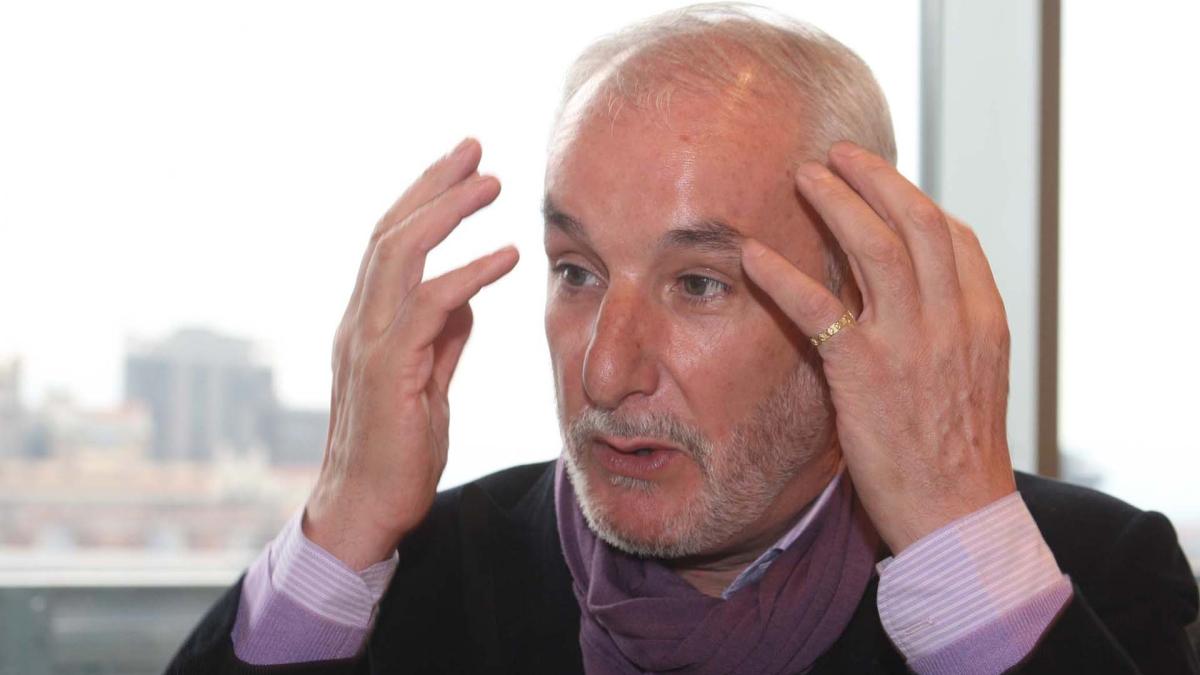
Txumari Alfaro, the Navarrese naturopath and television presenter best known for hosting the popular health program “La botica de la abuela,” has died at the age of 68. His passing was confirmed by family members and colleagues in early June 2024, though the exact date and cause of death have not been publicly disclosed as of this writing. Alfaro became a familiar face in Spanish households through his advocacy for natural remedies and traditional healing practices, often positioning himself as a critic of conventional pharmaceutical approaches to wellness.
Born in Navarra, Alfaro built a career blending folk wisdom with accessible media storytelling. His show, which aired on regional and national Spanish television for over a decade, featured segments on herbal preparations, dietary advice, and home-based treatments for common ailments. While he garnered a loyal following among those seeking alternatives to mainstream medicine, his views also drew criticism from medical professionals and regulatory bodies concerned about the promotion of unverified health claims.
Despite his public profile, Alfaro maintained a relatively private personal life. He was known to reside in the Navarra region and remained active in local wellness circles until his final years. Tributes have begun to emerge from fellow practitioners in the naturopathic community, as well as from viewers who credited his program with introducing them to gentler, more holistic approaches to health.
Legacy of “La botica de la abuela” and Public Reception
“La botica de la abuela” translated traditional knowledge into a format accessible to broad audiences, often filmed in rustic kitchen settings that emphasized simplicity and intergenerational wisdom. Episodes typically showcased the preparation of infusions, poultices, and dietary tonics using ingredients like chamomile, garlic, honey, and apple cider vinegar. Alfaro frequently framed these remedies as time-tested alternatives to synthetic drugs, particularly for conditions such as insomnia, digestive discomfort, and mild inflammation.
The program enjoyed strong ratings during its peak in the late 2000s and early 2010s, particularly in rural and older demographics across Spain. However, it also attracted scrutiny from health authorities. In 2015, the Spanish Agency for Medicines and Health Products (AEMPS) issued a public statement cautioning against the use of certain herbal preparations featured on the show without medical supervision, citing potential interactions with prescription medications and lack of standardized dosing.
Alfaro responded to such critiques by emphasizing personal responsibility and the importance of consulting healthcare providers when combining natural and conventional treatments. He never claimed to be a licensed medical professional, instead identifying himself as a cultural transmitter of ancestral knowledge. Still, his influence on public perceptions of naturopathy in Spain remains notable, particularly in regions where distrust of pharmaceutical institutions has historically been higher.
Medical and Regulatory Context Around Naturopathy in Spain
In Spain, naturopathy is not recognized as a regulated healthcare profession under the national health system. Practitioners may offer wellness advice, but they are prohibited from diagnosing illnesses or prescribing treatments that could be construed as medical interventions. The General Council of Official Medical Colleges has repeatedly warned that unregulated naturopathic practices may pose risks when they delay or replace evidence-based care, especially in cases of chronic or serious illness.
Despite these warnings, interest in complementary and alternative medicine persists. According to a 2022 survey by the Spanish Observatory of Patients’ Organizations, nearly 30% of respondents reported using some form of natural remedy alongside conventional treatment, with herbal teas and dietary supplements being the most common. Alfaro’s work contributed to this cultural landscape, normalizing conversations about prevention, diet, and self-care in ways that resonated with audiences skeptical of clinical environments.
His death marks the end of an era for a specific genre of Spanish health media — one that blended entertainment with lifestyle advice during a period of growing public interest in wellness. Whether viewed as a well-intentioned educator or a controversial figure who blurred the lines between tradition and medical authority, Alfaro’s impact on how Spaniards engage with health information is undeniable.
Tributes and Ongoing Influence
Following the announcement of his passing, messages of condolence appeared on social media platforms from fans, fellow presenters, and representatives of organic product brands that had collaborated with his show over the years. Many highlighted his warmth, authenticity, and dedication to promoting accessibility in health knowledge. No official public memorial has been announced, but informal gatherings are reportedly being planned in his hometown of Pamplona.
Episodes of “La botica de la abuela” remain available on select streaming platforms and regional archives, continuing to attract viewers interested in traditional remedies. While no successor has been named to carry forward the program in its original form, the demand for accessible, non-clinical health content suggests that Alfaro’s approach may yet inspire future iterations — particularly as digital media enables niche wellness voices to reach global audiences.
As of now, no further details regarding the circumstances of his death have been released by family or representatives. Updates will be monitored through official channels, including regional civil registries and statements from professional associations in the naturopathic community.
If you have memories of watching “La botica de la abuela” or insights into how such programs shaped your understanding of health, we invite you to share your thoughts in the comments below. Your reflections help preserve the cultural significance of figures like Txumari Alfaro in the evolving conversation between tradition and modern medicine.
Related reading