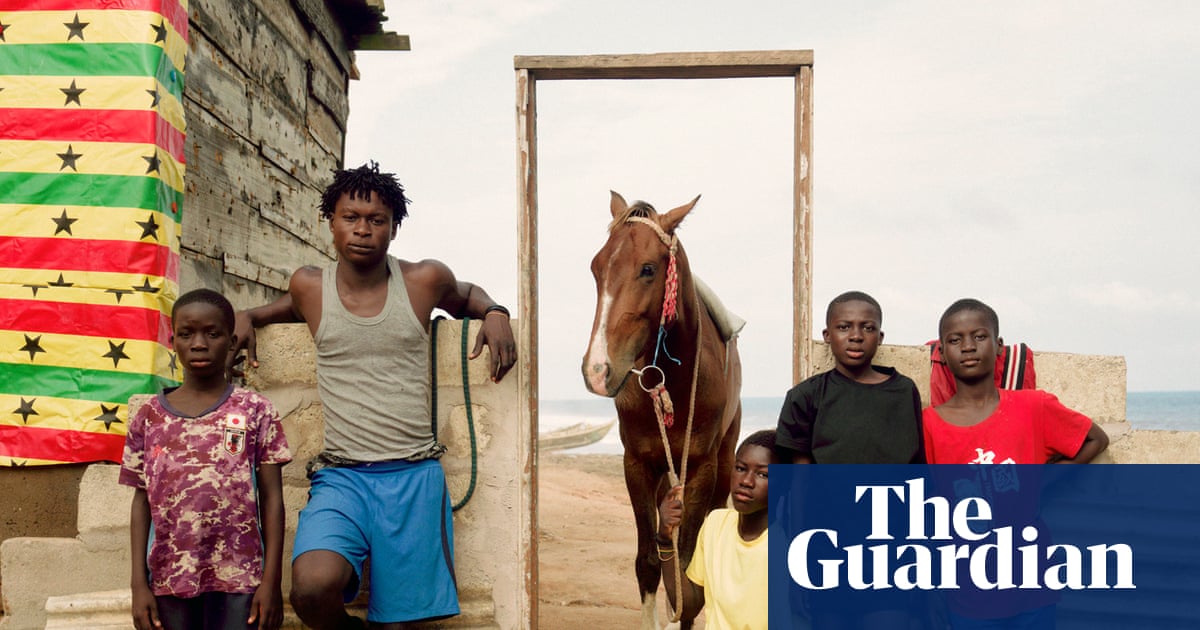
In the world of documentary photography, the narrative often leans toward a specific, narrow portrayal of African life. However, photographer Ron Timehin is challenging those conventions with a striking image that captures the intersection of heritage, daily existence, and unexpected elegance in Ghana.
The image, which Timehin identifies as his best photograph, centers on five Ghanaians and an elegant horse, set against the backdrop of a ruined farm building. The shot was captured in Labadi, a peri-urban town located in the La Dade Kotopon Municipal District of the Greater Accra Region. Even as many visitors associate the area with its golden sands and vibrant nightlife, Timehin sought to document a different side of the community.
By focusing on the people who live and work in Labadi, Timehin aims to showcase the authenticity of their daily rhythms—how they fish using traditional canoes, how they play, and how they locate moments of rest. The resulting photograph serves as a visual commentary on the freedom of not being bound by walls, symbolized by a door fronting a ruined structure.
Redefining the African Narrative Through Imagery
Timehin’s approach is a deliberate departure from the typical tropes found in documentary photography of the continent. He notes that the way Africans are often portrayed in such works rarely reflects the nuanced reality he encountered in the community. By framing the scene with a nod to place and heritage—specifically through the inclusion of the Ghanaian flag—he anchors the image in a specific cultural identity.
The composition is anchored by a “majestic and beautiful” horse, an animal the local community keeps in stables to assist with carrying equipment. According to Timehin, the horse “pulls it all together,” adding a layer of elegance to a scene that might otherwise be viewed through a lens of decay or poverty. This juxtaposition of a ruined building and a graceful animal creates a “beautiful set” that elevates the subjects and their environment.
The Geography of Labadi
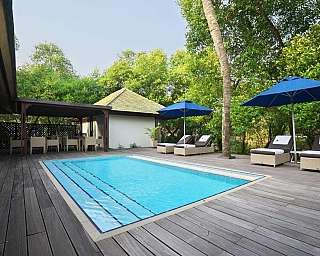
To understand the context of the photograph, one must look at the unique position of Labadi (also known as La). Situated along the coast of the Atlantic Ocean, it is bounded by Osu to the west and Teshie to the east. It is a region where traditional community life exists alongside modern tourism, including high-end destinations like the Labadi Beach Hotel, which is located in the country’s central business district Labadi Beach Hotel.
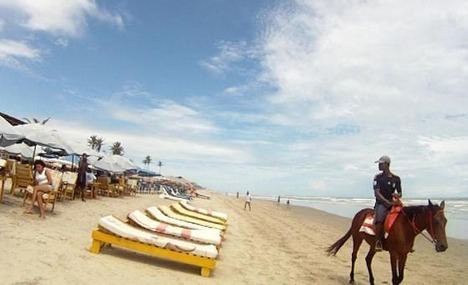
Timehin observes that tourists often visit for the beach and nightlife but rarely integrate with the local community. His work seeks to bridge this gap, offering a glimpse into the lives of those who maintain the traditions of the area, such as the use of traditional canoes for fishing, which remains a vital part of the local economy and culture.
The Symbolism of the “Ruined” Space
The choice of a ruined farm building as the primary setting is not accidental. Timehin describes the door of the building as a representation of freedom, suggesting a life that is not confined by rigid structures or walls. This architectural decay, paired with the presence of the Ghanaian flag, creates a dialogue between the past and the present, and between struggle and pride.
The presence of the five Ghanaians in the frame provides a human element that transforms the ruins from a site of abandonment into a living space. By capturing the community in a moment of repose or activity, Timehin shifts the focus from the state of the building to the resilience and dignity of the people inhabiting the space.
Key Elements of the Composition
- The Horse: Acts as a symbol of elegance and utility, bridging the gap between the ruined environment and a sense of majesty.
- The Ruined Building: Represents a break from confinement and the freedom of open spaces.
- The Ghanaian Flag: Serves as a critical marker of national identity and heritage.
- The Human Element: Five individuals who represent the actual lived experience of the Labadi community.
Through these elements, the photograph transcends simple documentation, becoming a piece of art that asks the viewer to reconsider their preconceived notions of African life. It replaces stereotypes of hardship with a portrait of elegance, community, and cultural pride.
As the conversation around the representation of Africa in global media continues to evolve, works like Timehin’s provide a necessary correction. By documenting the “fish, play, and rest” of the Labadi people, he ensures that the richness of their daily lives is not overshadowed by the commercial allure of the tourist resorts that surround them.
For those interested in the intersection of art and sociology, this photograph serves as a reminder that the most profound stories are often found not in the polished facades of hotels, but in the ruins and the quiet routines of the local community.
Readers are encouraged to share their thoughts on the role of documentary photography in shaping global perceptions of culture in the comments below.