
The geopolitical tension between the United States and Iran has reached a critical juncture, marked by a naval blockade in the Strait of Hormuz and the collapse of diplomatic efforts to end the current conflict. As the Trump administration attempts to navigate a path toward a new agreement, seasoned diplomats are warning that the current strategy may be fundamentally flawed, citing a lack of credibility and a history of contradictory actions.
Former U.S. Deputy Secretary of State Wendy Sherman, who led the Obama administration’s team in securing the 2015 nuclear deal, has emerged as a prominent critic of the current approach. In recent discussions, Sherman highlighted the difficulty of establishing trust when diplomatic outreach is coupled with military aggression, suggesting that the current administration’s tactics may be undermining the very goals they seek to achieve.
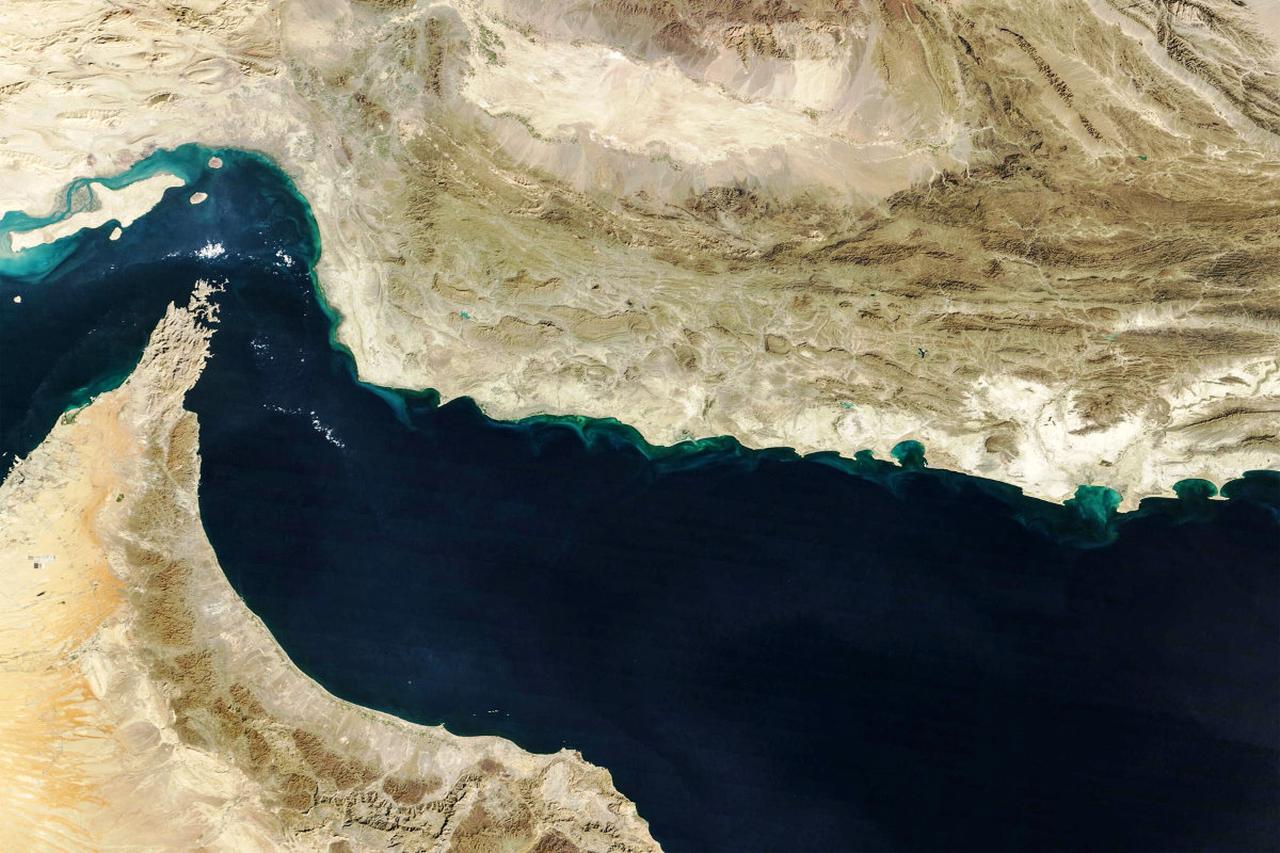
The current crisis is characterized by a stark divide in objectives. President Donald Trump has expressed a desire to strike a deal to end the war, reopen the Strait of Hormuz, and curtail Iran’s nuclear program. However, these goals clash with the reality of a blockade already in place and a history of withdrawing from previous agreements. The stakes involve not only regional stability but too the global economy, as the Strait of Hormuz remains a vital artery for international oil shipments.
According to recent reports, the diplomatic effort has seen U.S. Vice President JD Vance travel to Islamabad, Pakistan, for talks with Iranian officials on Saturday, April 11, 2026 NPR. Despite these high-level meetings, the gap between the two nations remains wide, with the Trump administration facing skepticism over its ability to deliver a sustainable peace.
The Credibility Gap in Current Negotiations
A central point of contention in the current diplomatic push is the composition of the U.S. Negotiation team. Wendy Sherman has expressed doubt that a team consisting of Vice President JD Vance, Steve Witkoff, and Jared Kushner can achieve a breakthrough within a short timeframe. She specifically pointed to a lack of credibility with Iranian officials, noting that Steve Witkoff and Jared Kushner—the latter of whom holds no formal government role—have been associated with previous instances where the U.S. Launched attacks during active negotiations.

Sherman argued that trust is nearly impossible to build under such conditions, stating, “It’s hard to believe that someone’s going to keep negotiating with you if the two other times, they’ve attacked in the midst of negotiations.” This perceived lack of reliability is compounded by the fact that the Iranian side is led by experienced diplomats, including Foreign Minister Abbas Araghchi, who served as Sherman’s counterpart during the 2015 negotiations and possesses an intimate knowledge of the previous deal’s details.
The divergence in goals further complicates the path to a deal. Although President Trump seeks to ensure Iran does not possess a nuclear weapon and demands the cessation of funding for proxies such as Hezbollah, Hamas, and the Houthis in Yemen, Iran views its control of the Strait of Hormuz as critical leverage for projecting regional power. Tehran continues to insist on its right to uranium enrichment and the maintenance of its regional alliances.
Comparing the 2015 Deal and Current Strategies
The 2015 nuclear agreement, negotiated under President Barack Obama, focused on a “one-year breakout timeline.” This mechanism was designed to give the international community a full year to respond if it was discovered that Iran was cheating on its nuclear commitments. Critics of the 2015 deal argued that its strongest provisions were too short-lived, lasting only 15 years rather than indefinitely.
Sherman countered these criticisms by explaining that the alternative—pursuing regime change through war—would have carried catastrophic risks. She warned that a full-scale conflict could have closed the Strait of Hormuz, spiked global gas prices, and devastated the international economy, while resulting in significant losses of American military lives.
In contrast, the current administration’s approach has shifted toward maximum pressure, including the blockade of the Strait of Hormuz. This strategy has led to what Sherman describes as a “setback” for the United States. She contends that the U.S. Has spent billions of dollars and depleted weapon inventories that may be needed in other theaters, all while undermining global alliances and inadvertently strengthening the positions of Russia and China.
The Risk of Nuclear Proliferation and Regional Instability
The current conflict has created a dangerous incentive structure for the Iranian regime. Sherman suggests that the current leadership in Iran is more hard-line than its predecessors and may conclude that possessing a nuclear weapon is the only reliable way to deter future U.S. Attacks. This scenario would likely trigger a domino effect, where other nations and close U.S. Allies feel compelled to acquire nuclear capabilities to ensure their own security.
The economic impact of these policies is also a primary concern. The removal of oil sanctions from Russia and Iran has provided these nations with significant funds. According to Sherman, this has not only aided the Iranian regime but has also provided Russia with more money to continue its war against Ukraine. She noted that these geopolitical shifts have ultimately cost “everyday average Americans much more out of their pocketbooks.”
While Iran has seen some degradation in its naval and missile capacities, Sherman warns that any sanctions relief or tolls gained from the U.S. Could allow Tehran to rebuild its military capacity rapidly. This creates a paradox where the U.S. Seeks to weaken Iran but may provide the financial means for it to recover and modernize its arsenal through a flawed deal.
Key Strategic Divergences
| Objective | 2015 Obama Approach | 2026 Trump Approach |
|---|---|---|
| Nuclear Program | Monitoring and “breakout” timelines | Total curtailment and prevention of weapons |
| Regional Proxies | Diplomatic containment | Demanding total cessation of funding (Hamas, Hezbollah, Houthis) |
| Strait of Hormuz | Maintaining open shipping lanes via treaty | Strategic blockade to force negotiations |
| Diplomatic Method | Multilateral agreements | Bilateral pressure and small-team negotiations |
The current situation remains volatile. The failure to strike a deal has already led to the implementation of a blockade in the Strait of Hormuz, a move that has heightened the risk of a broader maritime conflict NPR. As the administration continues to push for a resolution, the international community remains watchful of whether the U.S. Can bridge the credibility gap with Tehran or if the current path will lead to further escalation.
The next critical checkpoint will be the outcome of the ongoing diplomatic efforts following Vice President Vance’s visit to Islamabad and whether the U.S. Chooses to maintain or lift the blockade on the Strait of Hormuz in exchange for nuclear concessions.
World Today Journal encourages readers to share this analysis and join the conversation in the comments below regarding the future of U.S.-Iran relations.