
The ambition to automate the American farm has hit a significant roadblock. Monarch Tractor, the high-profile startup that once promised to revolutionize agriculture with AI-guided, electric machinery, has seen its assets acquired by construction giant Caterpillar, marking a quiet end to a turbulent journey.
The acquisition, first reported by Bloomberg and later evidenced in filings with the United States Patent and Trademark Office, comes after years of mounting pressure and internal instability. For a company that was once hailed as the future of “driver optional” farming, the transition to a legacy equipment manufacturer suggests a failure to bridge the gap between venture-backed hype and the gritty reality of field operations.
From its inception in 2018, Monarch Tractor sought to modernize vineyards, dairy farms, and fruit orchards. Still, the company’s trajectory serves as a cautionary tale for the “software-forward” approach in hardware industries. Despite raising over $240 million for its self-driving electric tractors, the startup struggled with technical reliability and strategic pivots that ultimately alienated its founders and customers.
A Rise Fueled by Hype and High Valuations
At its peak, Monarch Tractor was a darling of the tech and agricultural worlds. Founded by Carlo Mondavi—a member of the legendary Napa Valley wine family—alongside CEO Praveen Penmetsa and former Tesla executive Mark Schwager, the company aimed to replace traditional diesel tractors with autonomous, electric alternatives.
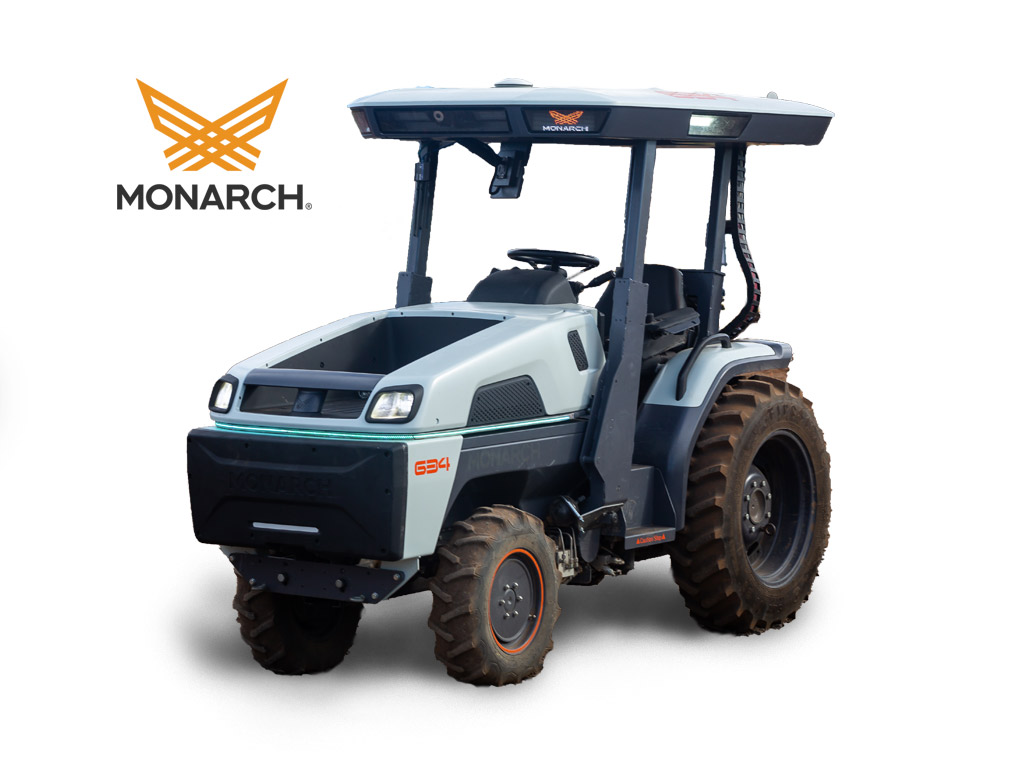
The industry’s initial enthusiasm was palpable. In 2023, Time magazine named the Monarch vehicle one of the year’s greatest inventions, while Forbes predicted the company was on its way to becoming a billion-dollar startup. At one point, the company was valued at $518 million, reflecting the massive investor appetite for AI-integrated hardware.
However, the gap between a prototype’s potential and a farmer’s daily needs proved difficult to close. While the goal was to create tractors capable of autonomous navigation in complex environments like wineries, the actual performance in the field began to draw sharp criticism from the exceptionally people the technology was designed to serve.
Technical Failures and Field Realities
The downfall of Monarch Tractor was not merely financial; it was operational. As the company pushed its AI-guided systems into the market, users reported significant shortcomings. One notable critic, California winemaker Patrick O’Connor, shared a viral review on Instagram claiming the technology “totally failed” after three years of testing on his steeply sloped vineyard.
O’Connor described the autonomous AI robot tractor as dangerous when in self-driving mode, stating that he would not let anyone else stand near the machine while it operated. His experience highlighted a recurring theme in the startup’s collapse: the inability of the software to handle the unpredictable terrain of real-world farming.
These technical struggles were compounded by a disastrous manufacturing strategy. Monarch had partnered with Taiwanese electronics giant Foxconn to utilize a former General Motors factory in Lordstown, Ohio. This partnership was part of a larger effort by Foxconn to build vehicles for several EV startups, including Fisker and Lordstown Motors. However, the venture collapsed as those partners went bankrupt, leaving Monarch without a stable manufacturing foundation.
Internal Strife and the “Software-Forward” Conflict
As the technical issues mounted, the company’s leadership fractured. A central point of contention was the strategic direction led by CEO Praveen Penmetsa. Co-founder Carlo Mondavi reportedly disagreed with Penmetsa’s “software-forward” approach, which prioritized software services over the fundamental reliability of the hardware.
The disagreement led to Mondavi being “pushed out” of the company he helped start. This internal rift coincided with a period of extreme instability, including multiple rounds of layoffs and lawsuits filed by three different dealers. By last year, the company had laid off nearly its entire staff and abandoned its headquarters in Livermore, California, signaling that the business was on the verge of a total shutdown.
In an attempt to survive, Monarch tried to pivot toward a software services business model, but the move came too late to satisfy creditors or investors. The company eventually issued a statement noting that its technology had been acquired by a “large global equipment manufacturer,” which was later identified as Caterpillar.
What the Caterpillar Acquisition Means for the Industry
Caterpillar’s acquisition of Monarch’s assets represents a strategic move to integrate autonomous and electric technology into its own massive ecosystem. For Caterpillar, the purchase is less about saving a failing startup and more about absorbing intellectual property and research that can be scaled within a proven manufacturing framework.
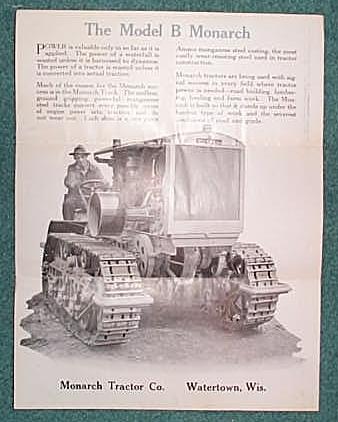
For the broader agricultural tech sector, the collapse of Monarch Tractor serves as a reminder that AI cannot replace the necessity of robust hardware. In the world of farming, a “software-forward” approach is only successful if the machine can reliably navigate a muddy slope or a crowded vineyard without posing a safety risk.
| Metric/Event | Detail |
|---|---|
| Founded | 2018 by Carlo Mondavi, Praveen Penmetsa, and Mark Schwager |
| Total Funding | Over $200 million to $240 million |
| Peak Valuation | $518 million |
| Key Failures | Foxconn partnership collapse, dealer lawsuits, tech reliability issues |
| Outcome | Assets acquired by Caterpillar |
As the industry moves forward, the focus is likely to shift away from “disruptive” startups and toward established manufacturers who can integrate AI incrementally. The “driver optional” dream is not dead, but the Monarch experience suggests it requires a level of engineering stability that venture capital alone cannot provide.
With the acquisition now finalized via USPTO filings, the next step will be seeing how Caterpillar integrates Monarch’s autonomous patents into its existing product lines. Official updates regarding the transition of existing Monarch customers or the fate of the remaining intellectual property are expected in future corporate filings.
Do you consider AI is ready for the unpredictability of the open farm, or was Monarch’s failure inevitable? Share your thoughts in the comments below.