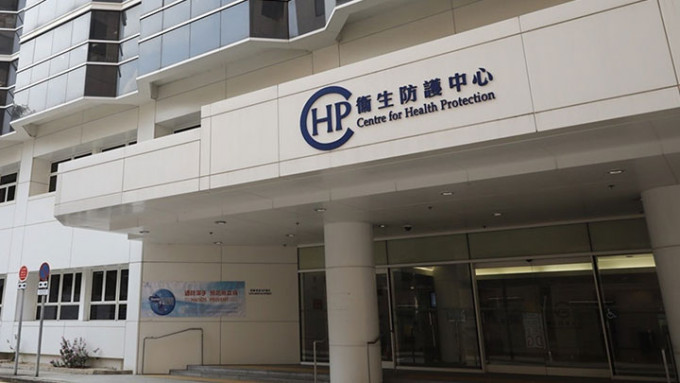
Public health authorities in Hong Kong are currently managing a significant contact-tracing operation after a 39-year-old woman tested positive for measles following a solo trip to Indonesia. The case, classified as an imported infection, has triggered an investigation into a wide network of potential exposures, with 187 people identified as close contacts as of the afternoon of April 16, 2026.
The patient, who had not been vaccinated against the virus, traveled to Indonesia during her incubation period. Because Indonesia is currently experiencing an ongoing measles outbreak, the Centre for Health Protection (CHP) has officially designated this as an imported case. The woman has since recovered and been discharged from the hospital, but the breadth of her movements during her infectious period has placed health officials on high alert.
This imported measles case in Hong Kong serves as a stark reminder of the vulnerability of unvaccinated individuals in an era of global travel. Measles is one of the most contagious viral diseases known to medicine, capable of spreading rapidly through respiratory droplets in crowded environments—including the highly healthcare settings the patient visited whereas symptomatic.
Timeline of Exposure and Hospital Visits
The patient’s infectious period is identified as spanning from April 3 to April 11. During this window, the woman visited several high-traffic medical facilities, significantly increasing the risk of community transmission. According to the Centre for Health Protection, the patient visited Tung Wah Eastern Hospital daily from April 3 to April 5 to visit other patients.

As her symptoms progressed, the woman sought medical care for herself. On April 5, she began experiencing fever, a cough with phlegm, and a sore throat. By April 7, a characteristic skin rash appeared. Between April 7 and April 9, she visited the emergency department of Pamela Youde Nethersole Eastern Hospital and a private clinic. Due to persistent symptoms, she returned to the Eastern Hospital on April 9, where she was admitted for treatment after clinical samples confirmed a positive result for the measles virus via nucleic acid testing.
The Scale of Contact Tracing and Community Risk
The identification of 187 close contacts underscores the potential for a “superspreader” event in clinical settings. The CHP has contacted the involved hospitals and the private clinic to identify everyone who shared the same space as the patient during her infectious window.

Among the close contacts is a female employer with whom the patient, a domestic helper, resided in City Garden, North Point. Two other individuals—the employer’s relative and another domestic helper—who accompanied the patient to the hospital and clinic have as well been listed as close contacts. While the employer and her family members had already received the measles vaccine, one other contact had not. As of April 16, no close contacts have exhibited symptoms of measles, and all remain under medical surveillance.
Global Trends: Indonesia and the Warning on Japan
The CHP has highlighted that measles incidence remains high in several Southeast Asian nations, specifically the Philippines, Indonesia, and Cambodia. Travelers to these regions are urged to ensure their vaccinations are up to date before departure.
Beyond Southeast Asia, health officials have issued a specific warning regarding Japan. According to the CHP Director Dr. Xu Lok-kin, measles cases in Japan have risen sharply this year. By April 8, 2026, Japan had recorded 236 cases, a figure significantly higher than the same period over the previous six years.
Medical Guidance: Vaccination and Immunity
For the general public, understanding who is at risk is critical. Measles typically begins with a fever, cough, runny nose, red eyes, and small white spots inside the mouth. Three to seven days later, a maculopapular rash appears, usually starting on the face and spreading across the body, lasting anywhere from four days to three weeks.
The CHP provides specific guidance on immunity based on age and vaccination history:
- Born before 1967: Individuals in this age group are generally considered to have immunity through natural infection, as measles was endemic globally and in Hong Kong during that era.
- Born in 1967 or later: Those who have not completed the two-dose measles vaccination series, or those with an unknown vaccination history, are strongly encouraged to seek medical advice and complete their vaccinations as soon as possible.
Key Takeaways for Travelers and Residents
| Risk Factor | Guidance/Status |
|---|---|
| High-Risk Regions | Indonesia, Philippines, Cambodia, and Japan (current spike) |
| Vaccination Requirement | Two doses of MMR vaccine for full protection |
| Immunity Baseline | Persons born before 1967 are generally naturally immune |
| Key Symptoms | Fever, cough, red eyes, followed by a spreading skin rash |
The Centre for Health Protection will continue to monitor the 187 close contacts and investigate the case further to prevent any secondary community transmission. Residents who believe they may have been exposed or are unsure of their vaccination status should contact their healthcare provider immediately.
The World Today Journal will provide updates as the CHP releases further findings on the contact tracing results. We encourage readers to share this information with frequent travelers and those residing in the North Point and Eastern District areas.
- Flu Vaccine Now Requires Mandatory Prescription: New Regulations Explained
- Drownings Lead Cause of Death in Province: 17,277 Total Fatalities in 2025 (INE)
- New Cases Uncovered: Murder Trial Returns with BBC Documentary Series (archyde.com)
- Ireland’s Government Sees Strong Budget Boost from €50bn Tax Returns (newsdirectory3.com)