
The era of human deep-space exploration has officially returned. Following the successful completion of the Artemis II mission, NASA has once again sent a crew beyond low Earth orbit, marking the first time humans have ventured around the Moon in over 50 years. The mission, which served as a critical test of the systems required for a long-term return to the lunar surface, concluded with the safe return of four astronauts to Earth in April 2026.
Launched on April 1, 2026, the Artemis II crewed lunar flyby was a high-stakes validation of the Space Launch System (SLS) rocket and the Orion spacecraft. The mission lasted 9 days, 1 hour, 32 minutes, and 15 seconds, during which the crew tested the deep space capabilities necessary for future landings on the Moon and eventual missions to Mars .
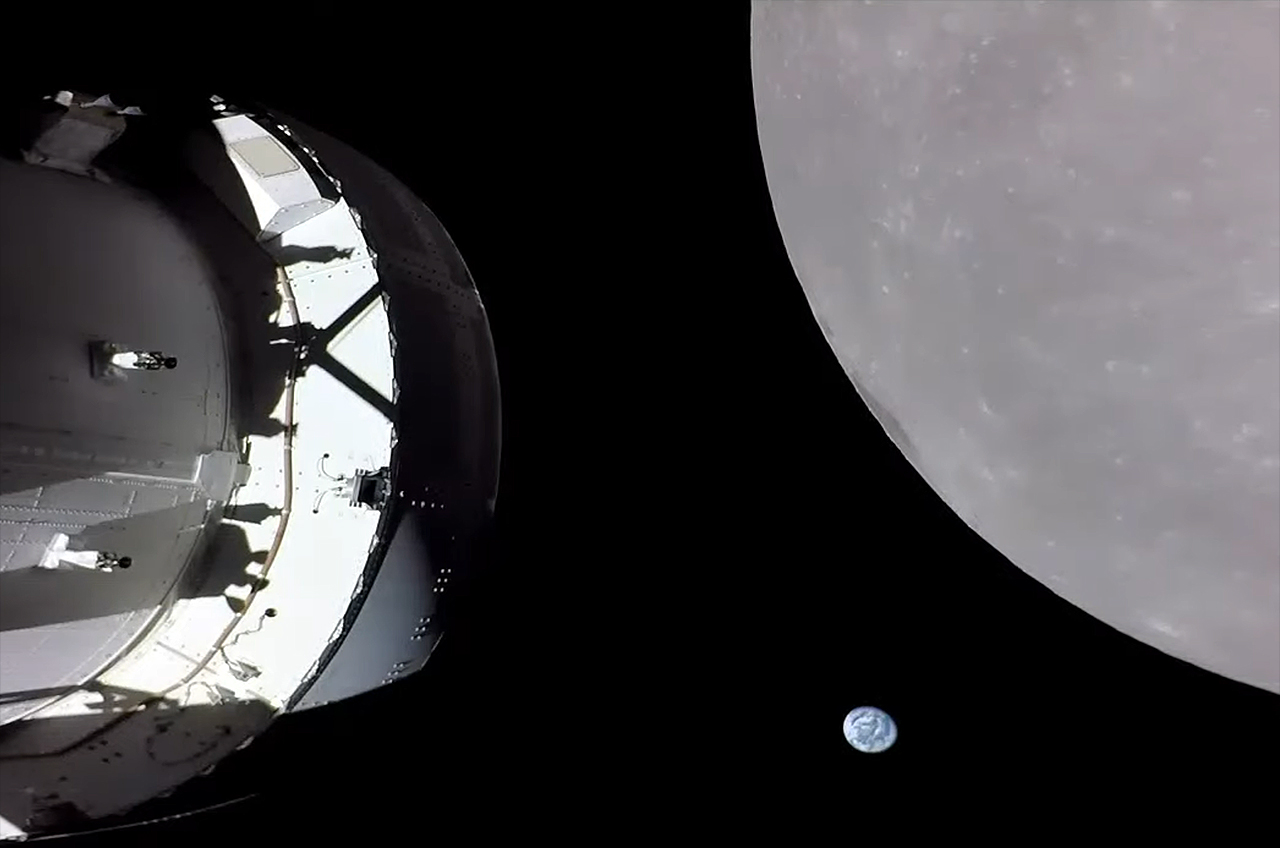
The crew, consisting of Reid Wiseman, Victor Glover, Christina Koch, and Jeremy Hansen, navigated the Orion spacecraft—which they named “Integrity”—on a trajectory that took them around the lunar far side. The mission reached its closest approach to the Moon on April 6, 2026, passing within 4,067 miles (6,545 km) of the lunar surface .
While the mission was a triumph of international engineering and human bravery, it was likewise a complex logistical feat. The spacecraft relied on the European Service Module (ESM) for propulsion and life support, representing a significant contribution from European partners and industry leaders like ArianeGroup and Airbus .
The Engineering Behind the Flight: The Role of ArianeGroup and the ESM
The success of Artemis II was not solely a NASA achievement but a testament to global cooperation. Central to the mission’s survival was the European Service Module (ESM), the “engine room” of the Orion spacecraft. Developed by Airbus Defence and Space on behalf of the European Space Agency (ESA), the ESM provided the crew with energy, propulsion, and vital resources throughout the 10-day journey .
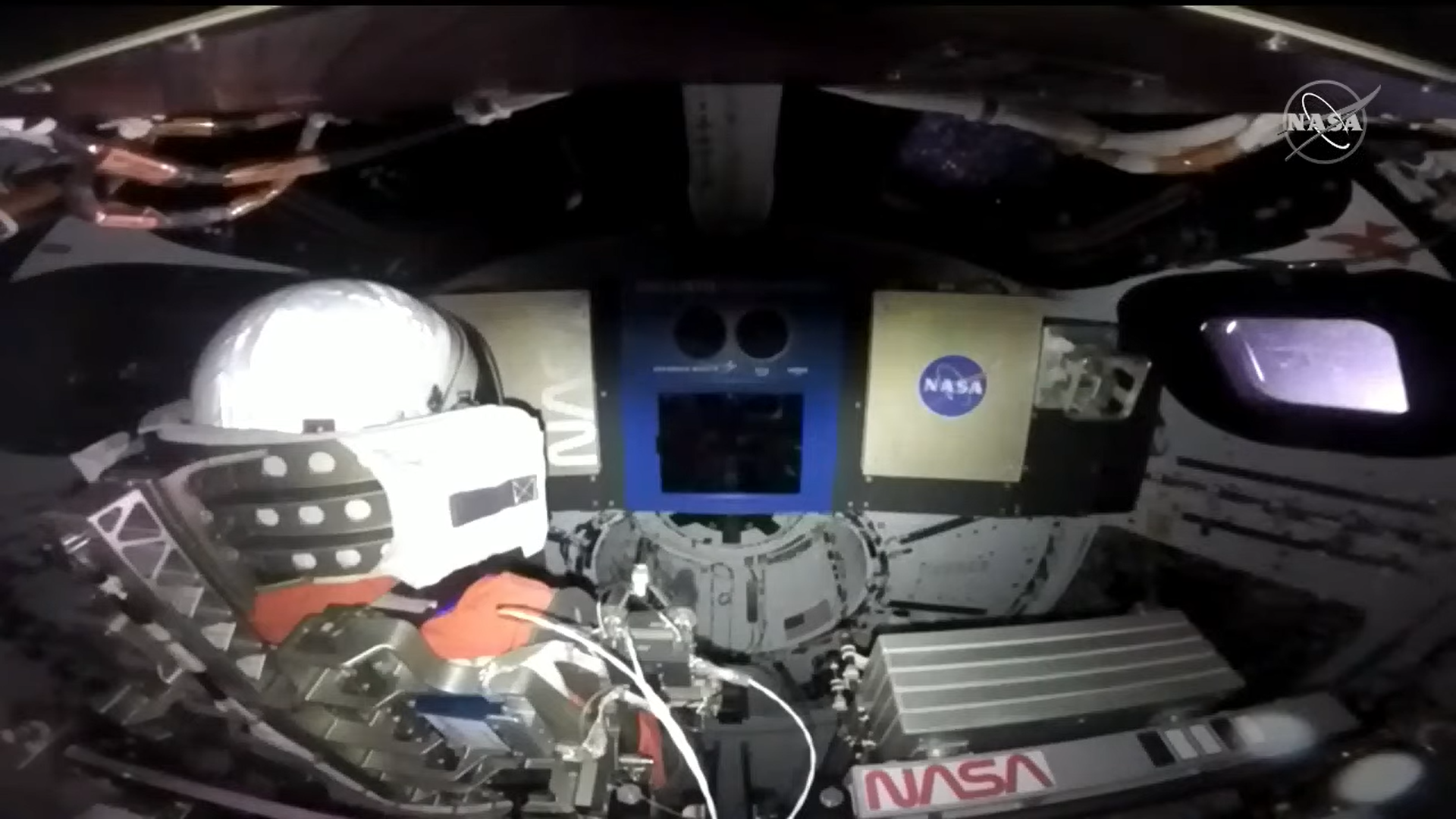
ArianeGroup played a pivotal role in the manufacturing of the ESM’s critical subsystems. Their contributions included the propulsion subsystems manufactured in Lampoldshausen, high-pressure helium tanks from Issac, and propellant tanks produced in Bremen. The company provided avionics assistance and testing in Les Mureaux, with the final assembly and testing of the module taking place in a cleanroom at the Bremen site .
These human-rated systems were designed to meet rigorous safety and redundancy requirements, drawing on heritage from the Automatic Transfer Vehicle (ATV) program. The ESM is designed to be separated from the crew module once the mission reaches Earth orbit, ensuring that only the crew capsule returns through the atmosphere .
Mission Timeline and Key Technical Specifications
The Artemis II mission was a meticulously timed operation. The crew launched from Kennedy Space Center’s Launch Complex 39B on the SLS, the most powerful heavy-lift rocket ever flown. The Orion spacecraft, weighing approximately 78,000 lbs (35,000 kg) at launch, was designed to sustain the four-person crew during their transit to the Moon and back .
| Metric | Detail |
|---|---|
| Launch Date | April 1, 2026 |
| Splashdown Date | April 10/11, 2026 |
| Mission Duration | 9 Days, 1 Hour, 32 Minutes |
| Distance Travelled | 700,237 miles (1,126,922 km) |
| Closest Lunar Approach | 4,067 miles (6,545 km) |
| Recovery Vessel | USS John P. Murtha |
The flight path included two orbits of Earth before the spacecraft departed for the Moon on April 2, 2026 . After completing the lunar flyby, the crew returned to Earth, splashing down in the Pacific Ocean southwest of San Diego on April 10, 2026, at 5:07:27 p.m. PDT (April 11 UTC) .
Paving the Way for Artemis III and Beyond
Artemis II was never intended to land on the Moon; rather, it was a “test flight” to ensure that all deep-space systems were operational for the subsequent Artemis III mission. The primary goal was to test the Orion spacecraft’s ability to support a human crew in the harsh environment of deep space, far beyond the protection of low Earth orbit .
The successful return of the crew to Houston and their subsequent reunion with their families marks a psychological and technical victory for NASA. By proving that the SLS and Orion can reliably transport humans to the vicinity of the Moon and bring them back safely, NASA has cleared a major hurdle in its goal to establish a sustainable human presence on the lunar surface .
The data gathered during the 10-day mission will be analyzed to refine the systems for Artemis III, which aims to land astronauts on the lunar surface. This includes testing the life support systems provided by the ESM and the reentry heat shield of the Orion capsule, which must withstand extreme temperatures upon returning to Earth’s atmosphere .
Key Takeaways from the Artemis II Mission
- First Crewed Flight: The first crewed flight of the Artemis program and the first human flight beyond low Earth orbit since Apollo 17 in 1972 .
- International Collaboration: Heavy reliance on the European Service Module (ESM), with critical propulsion and energy systems provided by ArianeGroup and Airbus .
- Technical Validation: Successfully tested the Space Launch System (SLS) and the Orion spacecraft “Integrity” for a duration of over nine days .
- Strategic Step: The mission serves as the essential precursor to Artemis III, which will target the first human lunar landing in over half a century .
The next major milestone for the program will be the preparation for Artemis III, the mission intended to return humans to the surface of the Moon. NASA and its international partners will now focus on analyzing the flight data from Artemis II to ensure maximum safety for the upcoming landing mission.
Do you suppose the return to the Moon is the right priority for global space agencies? Share your thoughts in the comments below and share this article with fellow space enthusiasts.
Keep reading