Travelers exploring the Loire Valley often focus exclusively on its famous royal castles and riverside turret reflections, but a quieter, slower rhythm defines the region’s true modern appeal. Beyond the well-trodden tourist paths, visitors find a landscape shaped by exceptional local food, ambitious winemaking, and centuries of preserved cultural heritage.
For those arriving from the United Kingdom, flights from Stansted reach Tours in just over an hour. Downtown Tours features the awe-inspiring Tours Cathedral, constructed between 1170 and 1547. The landmark boasts 13th-century stained-glass windows and twin towers topped with Renaissance lanterns.
Dining options across the region increasingly highlight regional agriculture. Riverside establishments like Nuances serve seasonal dishes crafted from ingredients grown on family farms. In nearby Restigné, a wine-producing village responsible for nearly 40 percent of the reds in the Bourgueil appellation, boutique lodgings like La Dixmeresse offer travelers a direct connection to local vintners.
Outdoor enthusiasts can utilize accommodations such as the Huttopia Family Camping site located 40 kilometers northwest of Tours. The site provides tent pitches, ready-to-camp setups, a heated pool, and saunas, with nearby recreation centered around the scenic 200-hectare Lac de Rillé.
Historic Châteaux and Royal Connections
While the region’s castles remain major draws, properties like the Château de Champchevrier offer a glimpse into centuries of continuous family stewardship. Co-owned by Laurence Bizard-Hamilton and her husband Gustaf, the estate has remained in the same family for 11 generations. Historic records note that King Louis XIII stayed at the property four times, beginning in 1619 at age 18. During World War II, the estate also briefly hosted the British Embassy when Ambassador Sir Ronald Hugh Campbell relocated there in June 1940 to escape the German advance.
Thirty minutes away lies the Château de Candé, purchased in 1927 by Franco-American industrial millionaire Charles Bedaux and his wife Fern. Bedaux introduced modern amenities to the estate, including central heating, advanced plumbing, and a telephone system. In June 1937, the castle hosted the private wedding of the Duke of Windsor—formerly King Edward VIII—and Wallis Simpson, an event documented by photographer Cecil Beaton.
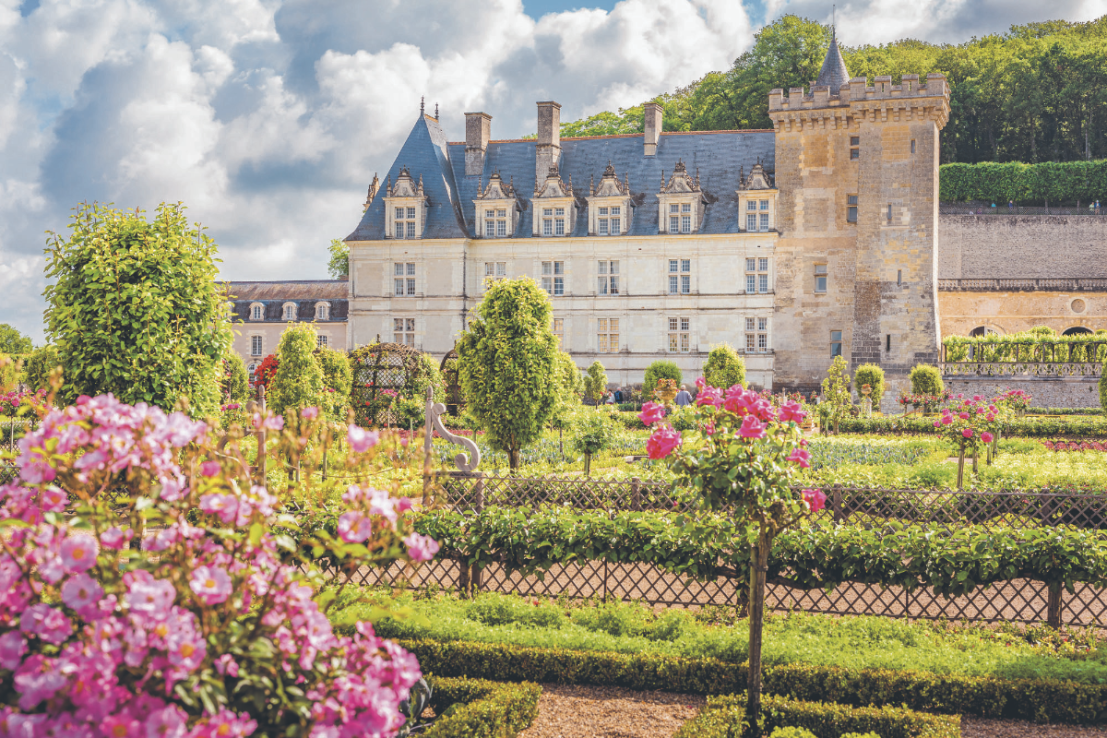
Horticulture remains a primary attraction at the Château de Villandry, renowned across Europe for its geometric kitchen gardens. Nine majestic squares form a planted chequerboard directly below the castle, encouraging visitors to explore the surrounding countryside on foot or by bicycle.
Culinary Heritage and Riverside Guinguettes
A new wave of regional chefs is championing local ingredients, from Loire fish and goat’s cheese to seasonal asparagus and mushrooms. Vineyard bistros like Chez Odette offer traditional French dishes featuring homemade ingredients at moderate price points.
In Tours, visitors walk through Place Plumereau, the historic center featuring half-timbered houses and local culinary specialties such as rillettes, cheeses, and nougats. Along the banks of the Loire, traditional guinguettes—originally 19th-century riverside cafés for Parisian day-trippers—provide communal tables, local wines, food stalls, and live music beneath strings of lights.
Travelers seeking to book accommodations or tours can access official resources directly, including La Dixmeresse, Huttopia Lac de Rillé, Château de Rochecotte, Chez Odette, and Villandry.
Related reading