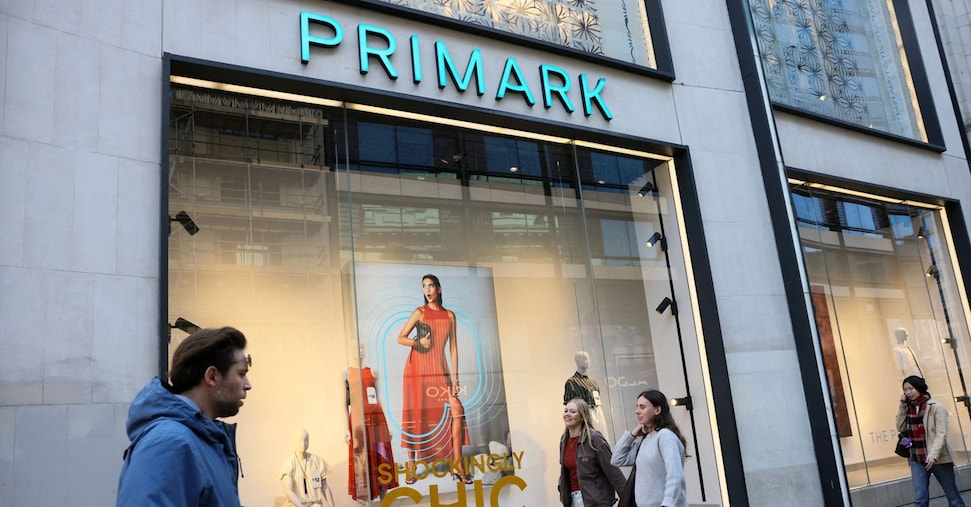
On April 21, 2026, Associated British Foods (ABF) announced its intention to spin off the Primark clothing chain into a separately listed company, marking a significant strategic shift for the British conglomerate controlled by the Weston family. The decision ends months of speculation about the future of the value-fashion retailer, which operates over 400 stores across Europe and the United States.
The announcement was met with an immediate negative reaction from investors, as ABF’s shares fell more than 6% on the London Stock Exchange on the day of the news, extending the stock’s year-to-date decline to approximately 16%. Analysts noted that while the move had been widely anticipated following an internal review, the market’s response reflected concerns over the potential valuation and execution risks associated with separating the high-growth but low-margin Primark business from ABF’s more stable food and ingredients divisions.
ABF stated that both the remaining group and the newly independent Primark entity are expected to be listed separately on the FTSE 100 index upon completion of the spin-off process. The company cited the need to allow each business to pursue its own strategic priorities, with Primark gaining greater flexibility to invest in store expansion and digital capabilities, while ABF could focus on optimizing its core grocery and agricultural operations.
The Weston family, which has controlled ABF through its holding company Wittington Investments for generations, described the decision as part of a long-term review of the group’s structure. As one of the wealthiest families in the United Kingdom, the Westons have overseen ABF’s evolution from a modest food business into a diversified international conglomerate with interests spanning sugar, agriculture, retail, and ingredients.
Primark, known for its fast-fashion model and absence of an e-commerce platform, has grown rapidly under ABF’s ownership, becoming one of Europe’s largest clothing retailers by store count. However, increasing competition from rivals such as H&M, Zara, and Shein, coupled with shifting consumer habits and rising input costs, has intensified pressure on the business to adapt.
Industry observers noted that the spin-off could allow Primark to access capital markets more directly to fund its growth plans, including potential investments in logistics and supply chain modernization. At the same time, questions remain about how the newly independent company will manage its unique business model — which relies heavily on physical store footprint and minimal digital integration — in an increasingly online-driven retail environment.
ABF has not yet announced a timeline for the completion of the separation, stating only that further details will be shared as the process advances. The company emphasized that the spin-off will be subject to approval from shareholders and regulatory authorities, and that it intends to ensure a smooth transition for employees, suppliers, and customers.
As of the announcement, ABF employed over 130,000 people globally, with Primark accounting for the majority of its workforce. The retailer operates in 15 countries, with its largest markets in the United Kingdom, Spain, Germany, and France. In the financial year prior to the announcement, Primark generated approximately £9 billion in revenue, representing a significant portion of ABF’s total sales.
The Weston family’s involvement in British industry extends beyond ABF, with interests in hospitality, agriculture, and investment through various private holdings. Their stewardship of ABF has been marked by a long-term approach to capital allocation, though the Primark spin-off represents one of the most significant structural changes in the group’s recent history.
Market analysts will continue to monitor ABF’s progress on the separation, particularly regarding the valuation methodology to be used for Primark and the expected timeline for dual listings. Shareholders are anticipated to receive formal proposals for votes in the coming months, pending regulatory clearance.
For updates on the spin-off process, investors and stakeholders are encouraged to consult ABF’s official investor relations website and regulatory filings with the UK’s Financial Conduct Authority.
What are your thoughts on the potential impact of this separation on the retail landscape? Share your perspective in the comments below and help foster an informed discussion.
Related reading