LG Electronics Expands Robotics Footprint with Acquisition of Bear Robotics
The robotics landscape is undergoing a significant shift as LG Electronics continues to invest heavily in the sector. In January 2025, LG Electronics finalized the acquisition of a controlling stake in Bear Robotics, a Silicon Valley-based company specializing in AI-powered commercial autonomous robots. This move signals LG’s ambitious plans to become a major player in the rapidly evolving robotics industry, extending beyond consumer electronics into the realm of automated solutions for businesses. The deal, valued at approximately 260 billion Korean won (roughly $200 million USD at the time of the announcement), involved the purchase of a 30% stake in Bear Robotics, bringing LG’s total ownership to 51% and establishing the company as a subsidiary. Herald Economy reports that this acquisition is expected to create significant synergies by combining LG’s manufacturing capabilities and sales network with Bear Robotics’ innovative technology.
The acquisition of Bear Robotics isn’t simply about entering a new market; it’s about securing a competitive edge in a field poised for explosive growth. Bear Robotics, founded in 2017, has quickly gained recognition for its advanced robotics software platform, its sophisticated fleet management technology – enabling multiple robots to navigate and operate efficiently – and its cloud-based monitoring solutions. LG Newsroom highlights the company’s expertise in these areas as key factors driving the acquisition. LG intends to integrate Bear Robotics’ capabilities with its existing “CLOi” robot line, focusing initially on commercial applications, but with a clear vision for expanding into both home and industrial robotics.
From Commercial Service to Home Automation: LG’s Robotics Strategy
LG’s initial focus with Bear Robotics will be on enhancing its commercial robot offerings. Bear Robotics is known for its service robots, designed to assist in restaurants, hotels, and other public spaces. These robots can autonomously navigate environments, deliver items, and perform tasks that free up human staff to focus on more complex duties. The integration of Bear Robotics’ technology will allow LG to offer a more comprehensive and sophisticated suite of commercial robotics solutions. The company plans to leverage its existing relationships with businesses and its established distribution channels to rapidly deploy these robots in various industries.
However, LG’s ambitions extend far beyond the commercial sector. The company recognizes the growing demand for robotics in the home and in industrial settings. According to the LG Newsroom, LG plans to leverage its expertise in artificial intelligence (AI) and its established manufacturing prowess to develop innovative home and industrial robots. This includes robots capable of performing household chores, assisting with elderly care, and automating tasks in factories and warehouses. The acquisition of Bear Robotics provides a crucial foundation for this expansion, offering valuable insights into robot software, navigation, and control systems.
Key Players and Continued Leadership
A critical aspect of the acquisition is the retention of key leadership at Bear Robotics. Ha Jungwoo, CEO of Bear Robotics, and other key executives will remain in their positions, ensuring continuity in the company’s operations and strategic direction. These leaders will also join LG’s board of directors, fostering closer collaboration and synergy between the two organizations. This move demonstrates LG’s commitment to preserving the innovative spirit and expertise that have made Bear Robotics successful. The Chosun Ilbo reports that this leadership structure is designed to maximize the benefits of the acquisition and accelerate the development of new robotics solutions.
The ‘튀봇’ – A Glimpse into Automated Food Service
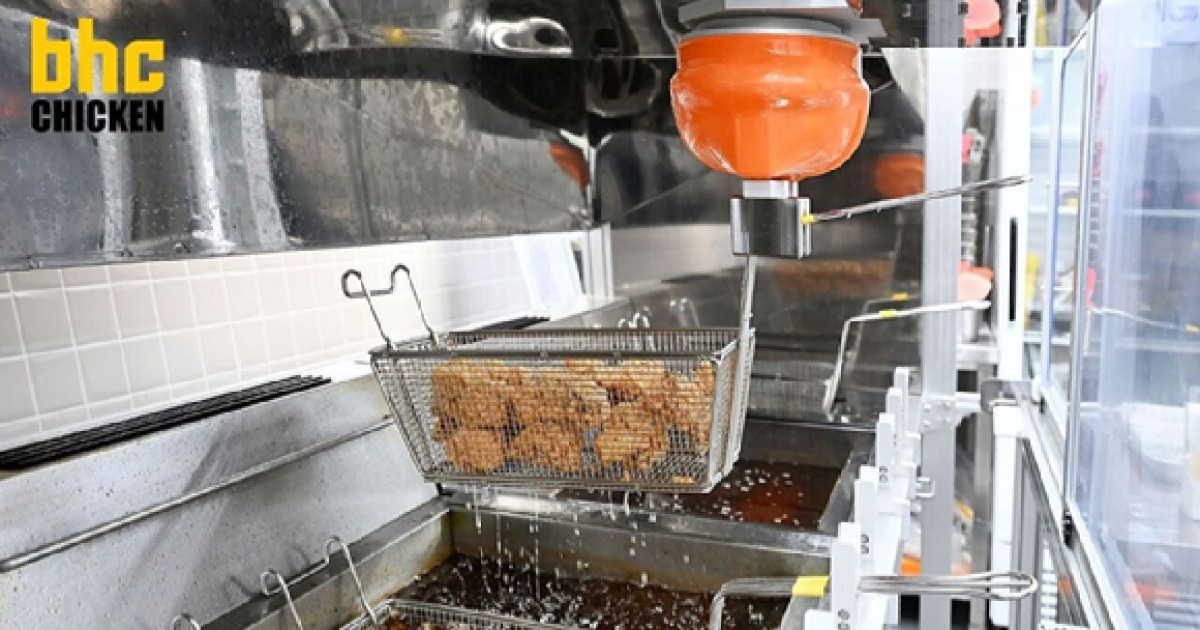
One specific example of the collaboration between LG and Bear Robotics is the development of the ‘튀봇’ (tyubot), an automated fried chicken robot. Developed jointly by LG Electronics’ subsidiary, Bear Robotics, and the Korean fried chicken franchise, BHC, the 튀봇 automates the entire frying process, from preparing the battered chicken to frying, and removing excess oil. This represents a significant step towards automating food service operations and improving efficiency in the restaurant industry. While details surrounding the 튀봇 are currently limited to Korean-language sources, it exemplifies the practical applications of LG and Bear Robotics’ combined expertise.
The Broader Robotics Market and Future Implications
LG’s entry into the robotics market comes at a time of rapid growth and innovation. The global robotics market is projected to reach hundreds of billions of dollars in the coming years, driven by increasing demand for automation in various industries. The acquisition of Bear Robotics positions LG to capitalize on this growth and compete with established players in the robotics space. The company’s strong financial resources, its technological expertise, and its global reach give it a significant advantage in this competitive landscape.
The move also underscores a broader trend of consolidation in the robotics industry. As the market matures, we are likely to see more acquisitions and partnerships as companies seek to gain access to new technologies, expand their product portfolios, and strengthen their market positions. LG’s acquisition of Bear Robotics is a clear indication of this trend and signals a more competitive and dynamic robotics market in the years to arrive.
Looking ahead, LG Electronics is expected to continue investing heavily in robotics research and development. The company is committed to developing innovative robotics solutions that address real-world challenges and improve people’s lives. The integration of Bear Robotics will be a key component of this strategy, enabling LG to accelerate its robotics roadmap and deliver cutting-edge products to market. The next key milestone will be the full integration of Bear Robotics into LG’s organizational structure and the launch of new, collaborative robotics products and services.
Related reading