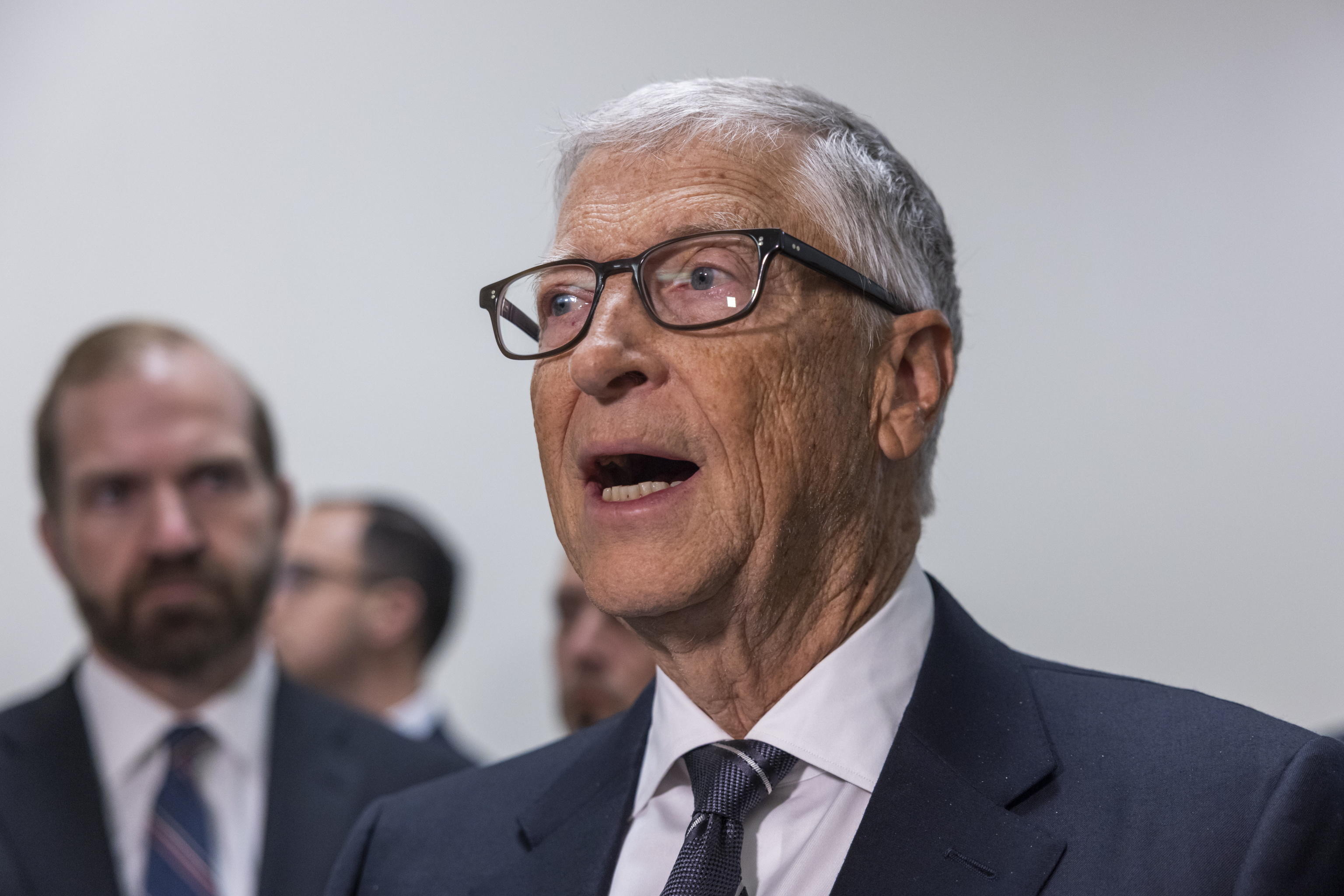
Bill Gates, the co-founder of Microsoft, has addressed his past professional association with the late financier Jeffrey Epstein, explicitly stating under recent scrutiny that he had no knowledge of Epstein’s criminal activities. The billionaire, who has faced persistent questions regarding his meetings with the convicted sex offender, maintained that these interactions were strictly focused on potential philanthropic collaborations, specifically in global health, before he became aware of the extent of Epstein’s misconduct.
This clarification comes as public and congressional interest in the ties between high-profile figures and Epstein remains a subject of intense scrutiny, years after the financier’s 2019 death in a federal detention center. According to official reports from the U.S. Department of Justice, Epstein’s death occurred while he was awaiting trial on federal sex trafficking charges, a development that prompted widespread investigations into his network of associates.
The Nature of the Relationship
Gates has consistently characterized his relationship with Epstein as a “significant mistake” in judgment. During various interviews and public statements, Gates has explained that his meetings with the financier between 2011 and 2014 were intended to explore funding opportunities for the Bill & Melinda Gates Foundation. He has repeatedly noted that he was unaware of Epstein’s illicit behavior at the time and that the two men never engaged in any business partnership or personal friendship.
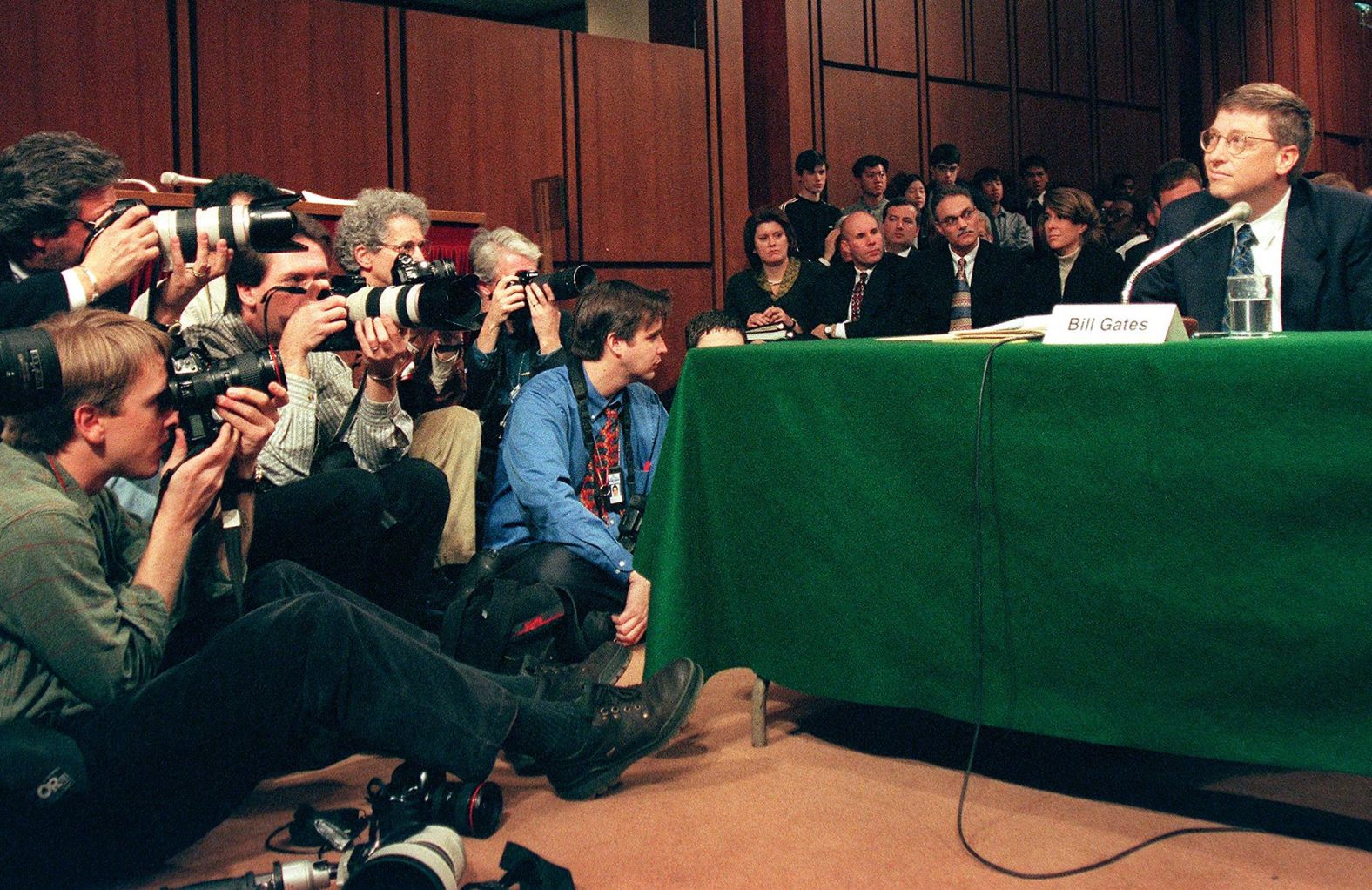
The New York Times previously reported that the two held multiple meetings at Epstein’s Manhattan townhouse. Despite these documented interactions, there has been no evidence presented by law enforcement or regulatory bodies suggesting that Gates participated in, or had prior knowledge of, the crimes for which Epstein was indicted. The scrutiny surrounding these meetings highlights the broader issue of how public figures interact with private individuals who later face severe criminal allegations.
Congressional Interest and Institutional Accountability
The discussion surrounding Epstein’s network has increasingly moved into the halls of government, with lawmakers seeking to understand the scope of his influence. While there have been various Senate Judiciary Committee inquiries into the failure of the federal prison system to protect Epstein while in custody, the focus on private sector associates remains largely tied to public accountability rather than criminal culpability.

For observers of the tech industry, the situation serves as a case study in reputational risk management. Gates, who transitioned from the helm of Microsoft to full-time philanthropy, has had to reconcile his past professional networking with the public fallout of his association with a disgraced financier. The Securities and Exchange Commission and other oversight bodies generally focus on financial transparency; however, the court of public opinion continues to demand clarity regarding the due diligence performed by high-net-worth individuals when vetting potential philanthropic partners.
Transparency in Philanthropy
The controversy has sparked a wider conversation about the vetting processes employed by major charitable organizations. Critics argue that the desire for large-scale funding can sometimes lead to a relaxation of ethical standards regarding who an organization associates with. In response to these concerns, many foundations have updated their compliance policies to include more rigorous background checks on potential donors and partners.
As the tech landscape continues to evolve, the demand for ethical leadership remains a central theme. The incident involving Gates underscores the necessity for leaders to exercise extreme caution in their professional circles, particularly when those individuals operate outside of regulated financial institutions. For those interested in the ongoing legal and social developments regarding the Epstein case, the U.S. Department of Justice provides periodic updates on related investigations and legal proceedings.
Looking Ahead
There are no currently scheduled public testimonies involving Bill Gates regarding this matter, and the legal proceedings surrounding the Epstein estate have largely shifted toward civil litigation involving victims’ claims. The focus for those affected by Epstein’s crimes remains on the Victim Compensation Program, which was established to provide restitution to survivors. As the legal system continues to address the legacy of the case, the emphasis remains on transparency and the protection of vulnerable individuals.

We encourage our readers to share their thoughts on the intersection of philanthropy and professional vetting in the comments section below. For further updates on this developing story and other technology-related news, please continue following our coverage at World Today Journal.