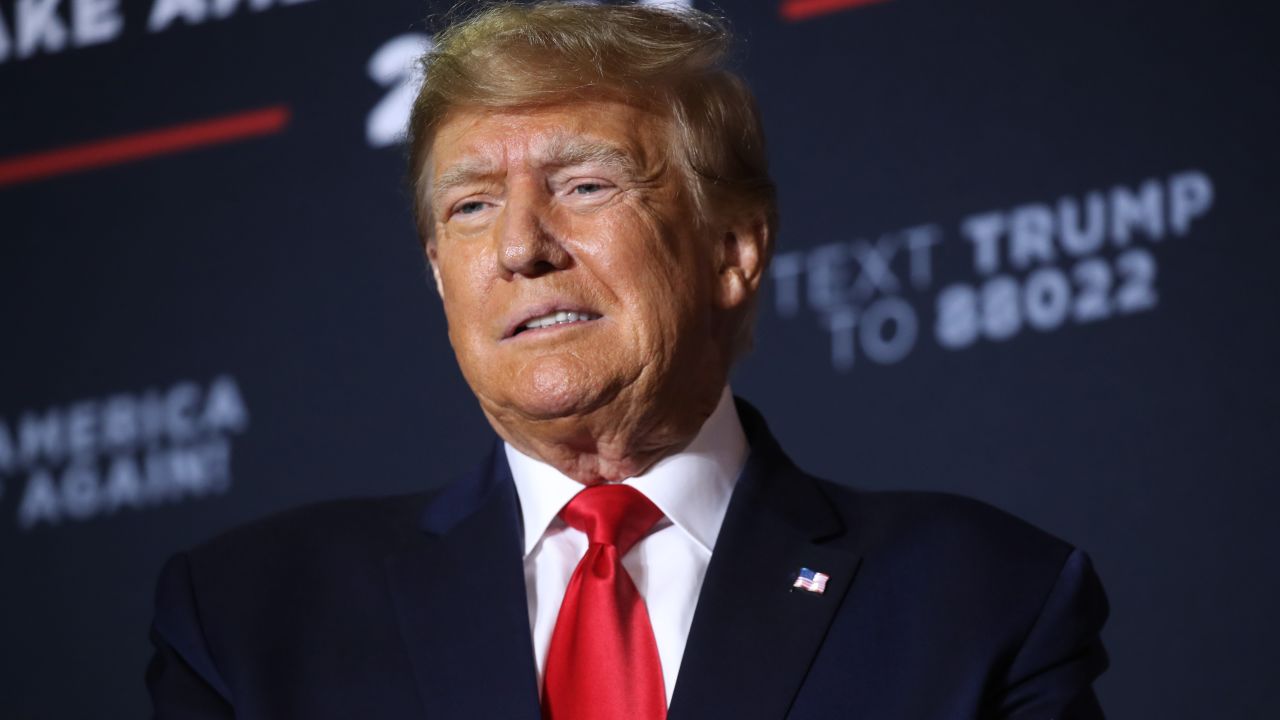
President-elect Donald Trump has publicly stated that Iran and Israel have agreed to a one-week pause in hostilities, a development he characterized as a potential step toward a broader regional peace agreement. The incoming administration’s focus remains on maintaining a blockade and exerting pressure until a final, verifiable peace deal is reached between the two nations, according to recent statements from the transition team.
This development follows a period of heightened volatility in the Middle East, characterized by direct military exchanges between Tehran and Jerusalem. While the incoming U.S. administration frames these discussions as a pathway to stability, international observers remain focused on the complexities of regional security dynamics and the difficulty of enforcing long-term ceasefires in a landscape marked by long-standing geopolitical grievances.
Diplomatic Efforts and Regional Security Goals
The Trump transition team has signaled that its approach to the Iran-Israel conflict will prioritize a “peace through strength” doctrine, aiming to leverage economic and diplomatic pressure to secure a durable cessation of hostilities. According to reports regarding current transition planning, the administration intends to keep existing maritime and economic blockades in place as a mechanism to ensure compliance from regional actors until a comprehensive framework is signed, as noted by Dagens Næringsliv in its coverage of the transition’s foreign policy posture.
The concept of a “final peace agreement” represents a significant shift from the current status quo of sporadic, high-stakes military engagements. Analysts note that the efficacy of such a pause depends heavily on the willingness of both Iranian leadership and the Israeli government to adhere to commitments that have, historically, been subject to rapid breakdown. The U.S. strategy, as described by the incoming administration, relies on the assumption that a temporary cooling-off period will provide the necessary space for more substantive, high-level negotiations.
Understanding the Current Geopolitical Standoff
The conflict between Israel and Iran has evolved from a shadow war into an increasingly overt confrontation, involving direct drone and missile strikes. In April 2024, Iran launched a large-scale attack involving hundreds of drones and missiles against Israeli territory, which was largely intercepted by Israeli and allied air defenses, as documented by Reuters. This marked a historic shift in the regional security architecture, moving away from proxy-based warfare toward direct state-on-state kinetic action.

For observers, the current “one-week pause” serves as a benchmark for whether diplomatic channels can replace military escalation. The primary challenge remains the lack of direct diplomatic relations between Tehran and Jerusalem, which necessitates the intervention of third-party mediators. Whether the incoming U.S. administration can successfully bridge this gap remains a central question for international policymakers as they monitor the transition of power in Washington.
Impact on Global Markets and Energy Stability
Regional volatility in the Middle East has historically exerted significant pressure on global energy markets, particularly regarding oil transit through the Strait of Hormuz. Any prolonged instability between Iran and Israel risks triggering price spikes that could impact global inflation rates and supply chain logistics. According to the International Energy Agency (IEA), the region’s stability is critical to maintaining consistent global energy supplies, and any disruption—whether through direct conflict or enforced blockades—remains a primary concern for international financial institutions.
Investors are currently tracking the rhetoric from the U.S. transition team to gauge the potential for a sustained de-escalation. While the promise of a one-week pause offers a temporary relief, the long-term economic outlook remains tied to the success of the broader diplomatic objectives stated by President-elect Trump. Market analysts suggest that until a permanent, verifiable treaty is established, the risk premium on energy assets will likely remain elevated.
Next Steps in the Transition Process
The international community is now looking toward the formal inauguration on January 20, 2025, when the new administration will officially assume authority over U.S. foreign policy. Until that date, the incoming team is expected to continue its engagement with regional stakeholders to solidify the terms of the proposed ceasefire. Official updates regarding the status of these negotiations will be provided through the transition’s communications office as policies are finalized.

The coming weeks will be critical in determining whether the current pause in hostilities can be transformed into a lasting diplomatic framework. We encourage our readers to follow our ongoing coverage of these developments as we track the transition team’s policy announcements and the regional reactions from both Tehran and Jerusalem. Share your thoughts or questions in the comments section below as we continue to report on this evolving international situation.
Worth a look