When discussing longevity and daily health routines, few details capture public attention quite like the habits of those who have achieved both financial success and advanced age. Recently, attention turned to Martha Stewart, the 84-year-old American businesswoman and lifestyle icon, after she shared her morning routine on a podcast appearance. Her disclosed habits—centered around homemade green juice, cappuccino, and softly boiled eggs—have sparked curiosity about whether such simple practices could contribute to sustained vitality, particularly in managing inflammation, a biological process increasingly linked to aging and chronic disease.
The concept of inflammation as a double-edged sword is well-established in medical science. Acute inflammation is a necessary immune response to injury or infection, but chronic, low-grade inflammation has been implicated in conditions ranging from cardiovascular disease to arthritis and even cognitive decline. As such, dietary choices that may modulate this process are of significant interest, especially when adopted by individuals who demonstrate exceptional healthspan. Stewart’s routine, as described in her podcast interview, includes consuming freshly made green juice, a cappuccino, and eggs prepared by steaming for approximately five minutes to achieve a soft-boiled consistency.
Green juice, typically made from leafy greens such as spinach, kale, celery, and cucumber, is rich in vitamins A, C, E, and K, along with minerals like iron, calcium, and magnesium. These nutrients support immune function, skin and bone health, and energy metabolism. The high water content of these vegetables also contributes to hydration, while naturally occurring polyphenols and flavonoids act as antioxidants, helping to neutralize free radicals that can trigger inflammatory pathways. Health publications have noted that to maximize benefits and minimize added sugars, homemade versions or carefully selected store-bought options—where vegetables list first on the ingredient label and no added sweeteners are present—are preferable.
Coffee, particularly in the form of a cappuccino, contributes caffeine, which acts as an adenosine receptor antagonist. By blocking adenosine—a compound that promotes drowsiness—caffeine can increase alertness and reduce perceived fatigue. While caffeine’s effects vary by individual, moderate consumption has been associated in some studies with reduced markers of inflammation, though excessive intake may counteract such benefits. The addition of steamed milk in a cappuccino also provides calcium and protein, though the overall impact depends on the type and quantity of milk used.
The inclusion of softly boiled eggs brings high-quality protein, essential amino acids, and nutrients such as choline and selenium into the diet. Choline plays a role in liver function and brain health, while selenium is a component of antioxidant enzymes that help combat oxidative stress. Preparing eggs through gentle steaming preserves these nutrients without adding excess fat, distinguishing this method from frying or prolonged boiling, which may degrade certain compounds or increase harmful byproducts.
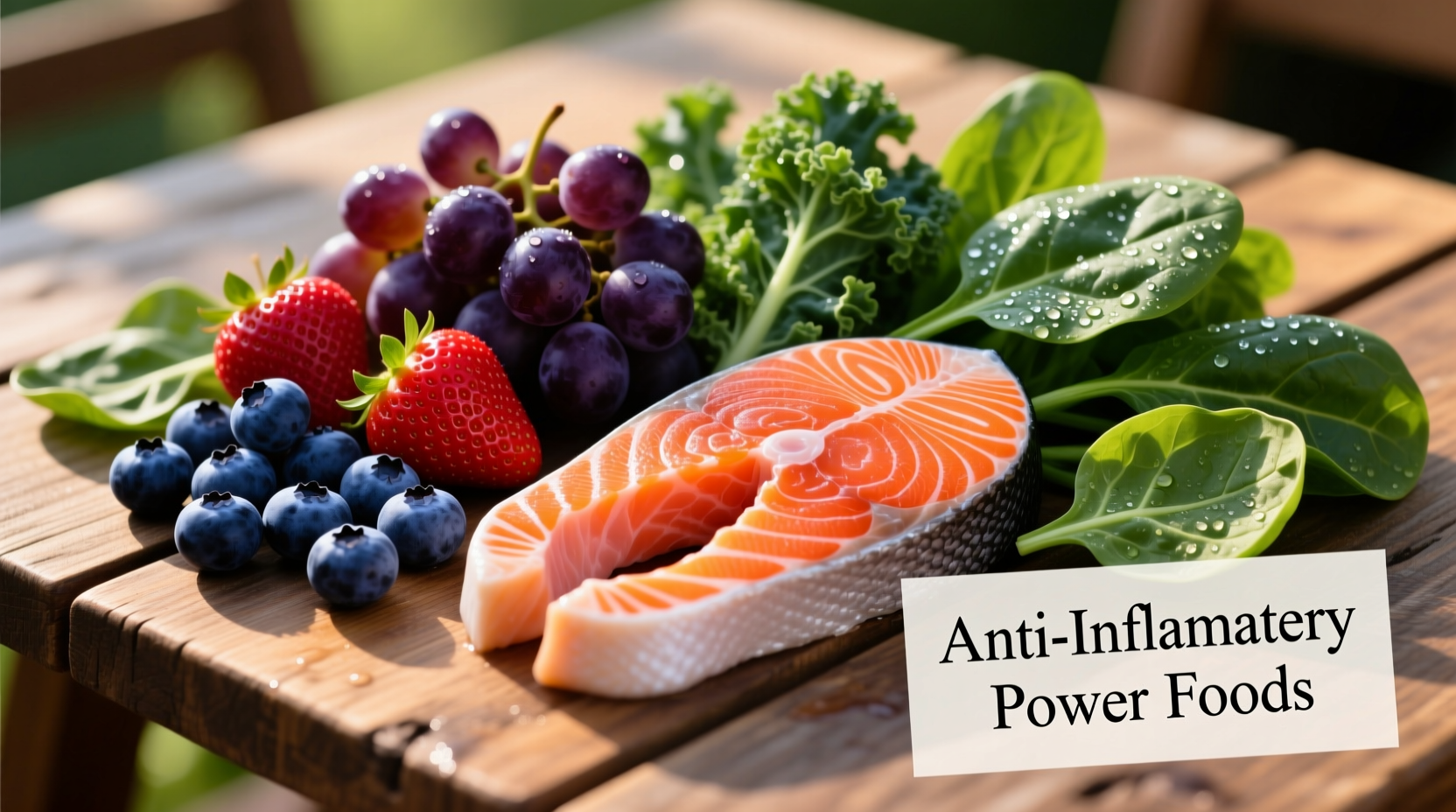
While Stewart’s personal habits offer an intriguing case study, it is key to recognize that individual routines are not universally applicable prescriptions. Genetics, access to healthcare, socioeconomic factors, and lifestyle variables all play substantial roles in health outcomes. No single food or drink can independently prevent or treat chronic inflammation; rather, dietary patterns—such as those emphasizing whole grains, legumes, nuts, fatty fish, and abundant fruits and vegetables—are consistently associated with lower inflammatory markers in epidemiological research.
For individuals seeking to evaluate their own inflammation levels, clinical tests such as high-sensitivity C-reactive protein (hs-CRP) remain among the most accessible biomarkers. Elevated hs-CRP levels can signal increased inflammatory activity and are often used alongside other assessments to evaluate cardiovascular risk. However, such tests should be interpreted by a healthcare professional, as temporary elevations can occur due to acute illness, injury, or even intense physical exertion.
the value of examining public figures’ routines lies not in replication, but in reflection. Stewart’s emphasis on whole, minimally processed ingredients—particularly her focus on preparing beverages and meals at home—aligns with broader nutritional guidance that prioritizes food quality and mindfulness in eating habits. Whether one chooses to incorporate green juice, adjust coffee preparation, or experiment with softer-cooked eggs, the underlying principle of reducing ultra-processed foods and increasing nutrient density remains a evidence-supported approach to long-term wellness.
As interest in personalized nutrition and preventive health continues to grow, routine-based insights from individuals across different walks of life can serve as starting points for informed self-experimentation—always grounded in personal health status, professional medical advice, and a commitment to evidence-based practices. For now, Martha Stewart’s morning habits remain a point of curiosity, illustrating how simple, consistent choices may contribute to a life lived with intention, and vigor.