
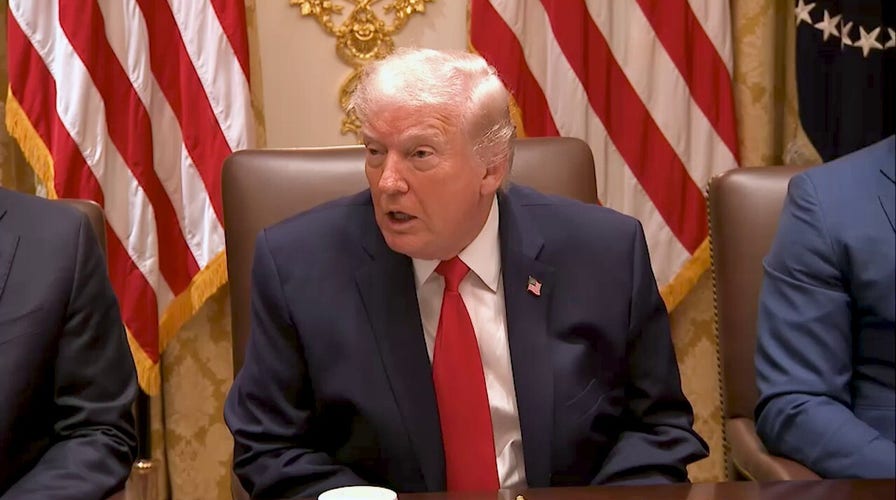
House Speaker Mike Johnson has signaled that a bipartisan housing bill will proceed to become law regardless of opposition from Donald Trump, who has dismissed the legislation as a “yawn.” The bill, which aims to address the escalating national housing crisis, has been formally transmitted to the White House for signature following its passage through Congress.
The legislative development has created a visible rift between congressional leadership and the former president. While Speaker Johnson maintains that the bipartisan momentum behind the bill ensures its enactment, Donald Trump’s characterization of the measure has led to reports that the legislation may face a period of political uncertainty.
How did the housing bill reach the White House?
The legislation reached the White House after securing bipartisan support in both chambers of Congress. According to reports from CNN, Speaker Mike Johnson officially sent the bill to the White House for the president’s signature after successfully navigating the bipartisan negotiations required to pass the measure. The bill is categorized by several outlets, including Time Magazine, as a landmark piece of legislation intended to tackle the complexities of the nation’s housing shortage.

The legislative process involved reconciling various priorities from both Republican and Democratic lawmakers to create a unified package. This bipartisan consensus is a key factor in Speaker Johnson’s assertion that the bill’s passage is inevitable. By securing votes from across the aisle, the bill moved past the typical partisan gridlock that often stalls significant federal spending or regulatory changes.
However, the political atmosphere surrounding the signing remains tense. Bloomberg reported that the bill is currently in a state of “limbo” as it awaits action from the White House. This uncertainty stems from the conflicting signals between the legislative branch, which has moved to implement the bill, and the political rhetoric coming from Donald Trump.
Why has Donald Trump criticized the legislation?
Donald Trump has expressed significant skepticism regarding the effectiveness and importance of the new housing measures. As reported by The New York Times, Trump described the legislation as a “yawn,” suggesting that the bill lacks the necessary impact to meaningfully alter the housing market or provide relief to citizens.

This dismissal highlights a growing tension between the traditional legislative path and the influence of political figures who may disagree with the scope of federal intervention in the housing sector. While the bill is framed by its supporters as a necessary response to supply shortages and affordability issues, Trump’s comments suggest a belief that the bill’s provisions are insufficient or misdirected.
The “yawn” comment has served as a focal point for the debate over how the federal government should approach housing. Critics of the bill, echoing the sentiment expressed by Trump, often argue that federal mandates can inadvertently complicate local zoning laws or disrupt market dynamics. Conversely, proponents argue that without federal intervention, the housing crisis will continue to exacerbate wealth inequality and limit economic mobility.
What are the primary objectives of the housing bill?
While the specific technicalities of the bill are being implemented, the core objective is to address the national housing crisis through structural reforms. The legislation focuses on several key areas intended to increase supply and improve accessibility for various demographics. According to analysis from Time Magazine, the bill is designed to provide the tools necessary to mitigate the long-term effects of housing scarcity.
The impact of such legislation typically falls into three major categories:
- Supply Stimulation: Incentivizing the construction of new residential units to meet the growing demand.
- Affordability Measures: Providing financial mechanisms or tax credits to assist low-to-middle-income earners in securing housing.
- Regulatory Reform: Addressing systemic barriers that prevent efficient housing development at both the federal and local levels.
The effectiveness of these measures will depend largely on how they are executed and whether the funding and regulatory changes are sufficient to overcome current market headwinds, such as high interest rates and increased construction costs.
Comparing the legislative and political perspectives
The current situation presents a clear contrast between the formal legislative process and the political discourse surrounding it. The following table compares the different ways the development is being framed by key stakeholders and news organizations.
| Perspective | Primary Focus | Key Characterization |
|---|---|---|
| Congressional Leadership (Mike Johnson) | Legislative momentum and bipartisan consensus. | A necessary law that will proceed regardless of opposition. |
| Donald Trump | The perceived lack of impact or significance of the bill. | A “yawn” that fails to address the core issues. |
| Media Reporting (Bloomberg/CNN) | The procedural status and political tension. | A landmark bill currently in “limbo.” |
This divergence suggests that even when a legislative consensus is reached, the political reception of the law can vary significantly, affecting how the public perceives its legitimacy and importance.
What happens next for the housing legislation?
The immediate future of the bill depends on the White House’s response to the package sent by Congress. Under the standard constitutional process, the President has several options: sign the bill into law, allow it to become law without a signature, or exercise a veto.

If the bill is signed, it will begin the process of implementation, with federal agencies tasked with executing the new mandates and distributing any allocated funds. If a veto is issued, the bill would return to Congress, where a two-thirds majority in both the House and the Senate would be required to override the veto and enact the law.
Given Mike Johnson’s recent comments, the legislative branch appears prepared to move forward, but the political friction introduced by Trump’s criticism may influence the speed and manner in which the transition from legislation to law occurs.
Key Takeaways:
- The bipartisan housing bill has been passed by Congress and sent to the White House.
- Mike Johnson asserts the bill will become law despite Donald Trump’s opposition.
- Donald Trump has publicly dismissed the legislation, calling it a “yawn.”
- The bill aims to address the United States’ ongoing housing crisis through landmark reforms.
- The bill’s status is currently described by some outlets as being in “limbo” pending White House action.
The next confirmed checkpoint will be an official statement from the White House regarding the receipt and planned action on the housing bill. Please share your thoughts on this development in the comments below and share this article to keep your network informed.