Teh Growing Threat of Bird Flu: Are We Prepared for the Next Pandemic?
The world is watching a concerning rise in avian influenza – commonly known as bird flu – with increasing vigilance. Recent outbreaks have decimated bird populations globally adn, crucially, are now impacting mammals, including dairy cows in the United States. While human infections remain rare, experts are sounding the alarm about the potential for a pandemic far more severe than even COVID-19.
This isn’t alarmism; it’s a calculated assessment based on the virus’s behavior and our understanding of influenza. Let’s break down what you need to know, what’s being done, and how prepared we truly are.
Why is Bird Flu Different This Time?
For years, bird flu viruses have circulated primarily among birds. However, the current H5N1 strain is exhibiting a worrying trend: it’s jumping species. this is what elevates the risk. Here’s why:
* Widespread outbreaks: Millions of birds have died in recent years, disrupting food supplies and driving up prices.
* mammalian Spillover: The virus is now infecting mammals like cows, raising concerns about increased opportunities for mutation and transmission.
* No pre-Existing Immunity: Unlike common seasonal flu strains (H1 and H3), you have no natural antibodies against H5 bird flu. This is similar to the situation with COVID-19 when the virus first emerged.
* Severity: Influenza viruses, unlike COVID-19 which disproportionately affects vulnerable populations, can be deadly even for healthy individuals, including children.
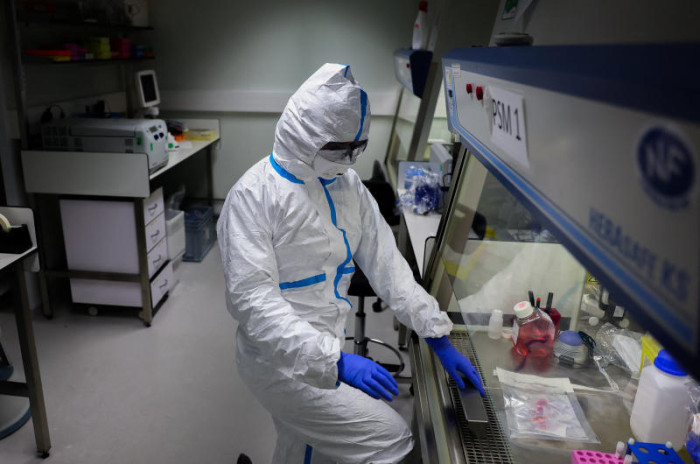
The Institut Pasteur,a leading research institution,was instrumental in developing COVID-19 detection tests and is now at the forefront of monitoring this evolving threat. Their medical director, Marie-Anne Rameix-Welti, emphasizes the critical concern: the virus adapting to humans and achieving human-to-human transmission.
A Recent Case & Historical Data
The first confirmed human case of H5N5 was reported in Washington state this month, tragically resulting in the death of an individual with underlying health conditions. While this is a single case, it underscores the virus’s potential to infect humans.
Historically, between 2003 and 2025, nearly 1,000 human cases of bird flu have been reported globally – primarily in Egypt, Indonesia, and Vietnam. A sobering 48% of these cases were fatal.
Is a Pandemic Certain?
Not necessarily. Gregorio Torres, head of the Science Department at the World organisation for Animal health, stresses that the risk of a human pandemic remains low at this time.
“You can happily walk in the forest, eat chicken and eggs and enjoy your life,” he assures. “The pandemic risk is a possibility, but in terms of probability, it’s still very low.”
However,”low” doesn’t mean “zero.” Proactive readiness is paramount.
How Prepared Are We? Lessons Learned from COVID-19
The good news is, we’re in a better position to respond to a bird flu pandemic than we were before COVID-19. Here’s what’s in our arsenal:
* Vaccine Candidates: We already have vaccine candidates developed and ready for rapid manufacturing. This substantially reduces the time needed to create a protective vaccine.
* Antiviral Stocks: Existing antiviral medications are, in principle, effective against avian influenza viruses. Strategic stockpiles are in place to treat infections.
* Enhanced surveillance: Global surveillance networks are actively monitoring the virus’s spread and tracking mutations.
* Improved Protocols: The experience gained during the COVID-19 pandemic has streamlined public health responses, including testing, contact tracing, and quarantine procedures.
The Institut Pasteur’s rapid growth and sharing of COVID-19 testing protocols demonstrate the power of international collaboration and preparedness.
What Can you Do?
While the risk to the general public remains low, staying informed and practicing good hygiene is always a smart move.
* Stay Updated: Follow reputable sources like the World Health Organization (WHO) and your local health authorities for the latest facts.
* Practice Good Hygiene: Wash your hands frequently with soap and water, especially after contact with animals or potentially contaminated surfaces.
* Food Safety: Properly cook poultry and eggs to kill any potential viruses.
* **Report Illness