
Bird Flu Outbreak in Europe: Rising Risks, Potential Disruptions, and What You Need to Know
A highly contagious avian influenza outbreak is sweeping across Europe, notably impacting Germany, raising concerns about potential pandemic risks, supply chain disruptions, and the need for proactive public health measures. This article provides a complete overview of the current situation, expert analysis, and practical advice.
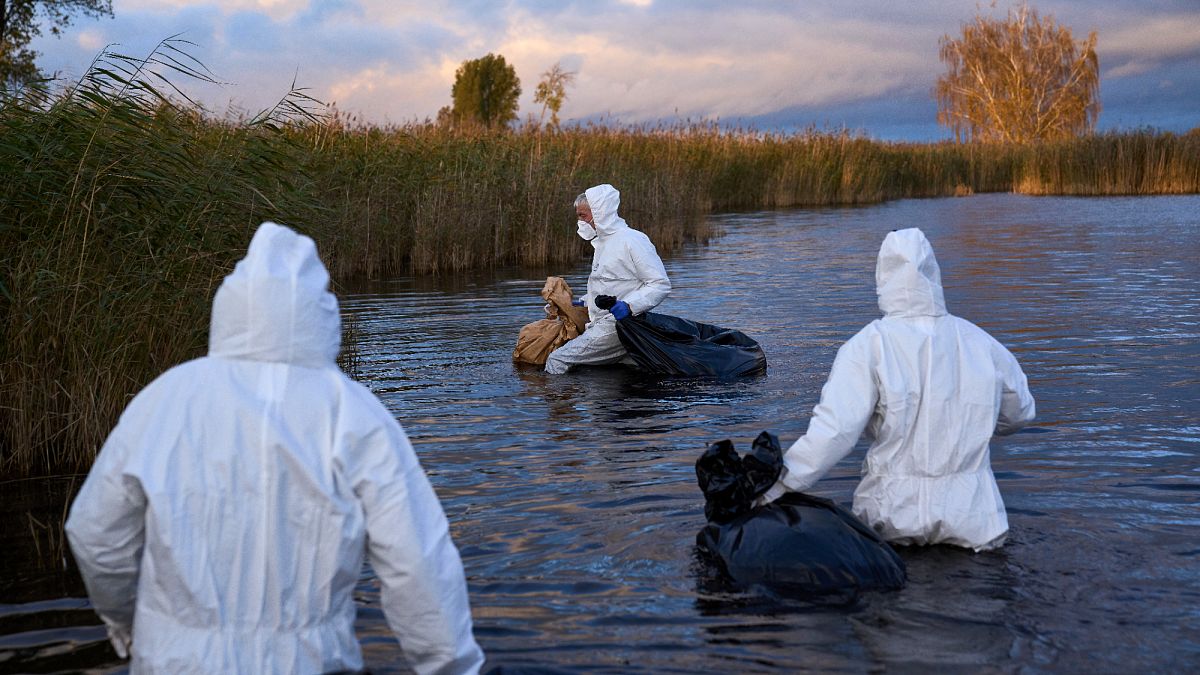
The autumn of 2023 has witnessed an unusually early and aggressive surge in avian influenza (bird flu), primarily the H5N1 strain. The Friedrich Loeffler Institute, Germany’s leading animal health authority, reports over 500,000 poultry – chickens, ducks, geese, and turkeys – have already been culled in an attempt to contain the spread. Eastern Germany and Lower Saxony are currently experiencing the highest concentration of cases,but the situation is evolving rapidly. This isn’t simply a poultry problem; the virus is now demonstrably spreading amongst wild bird populations, substantially amplifying the risk.
Understanding the Threat: Avian Influenza – A Deep Dive
Avian influenza is a highly pathogenic infectious disease affecting a wide range of bird species. Its hallmark characteristics are rapid transmission and high mortality rates. While historically primarily a concern for the poultry industry, the current outbreak presents a heightened risk due to its spread into wild bird populations, particularly migratory species like cranes. This expansion dramatically increases the opportunities for the virus to evolve and perhaps adapt to humans.
“In principle, the H5N1 virus has everything it takes to trigger a pandemic,” warns Dr. klaus Stöhr, a renowned virologist and former head of the World Health Association’s influenza program.While the risk of human infection remains low currently,Dr.Stöhr emphasizes the critical importance of preparedness. “This means there are now infinitely more opportunities for transmission and adaptation to humans. This risk should not be underestimated.”
What Does This Mean for You? Protecting Yourself and Your Pets
The immediate risk to the general public remains low, but vigilance is crucial. Hear’s what you should do:
* Avoid Contact with dead or Sick Birds: Do not touch any dead or visibly sick birds you encounter. This includes wild birds and poultry.
* Keep Pets Away: Ensure your dogs and othre pets do not interact with dead or sick birds.
* Report Findings: Immediately inform your local veterinary office if you discover a dead or sick bird. Do not attempt to move the animal yourself.
* Practise Good Hygiene: Wash your hands thoroughly after any potential contact with birds or their surroundings.
Potential for Supply Chain Disruptions: Eggs, Poultry, and Beyond
The outbreak is already impacting the poultry industry. Hans-Peter Goldnick, president of the Central Association of the German poultry Industry (ZDG), warns of potential supply bottlenecks for eggs and poultry meat, particularly from farms utilizing free-range and open-range systems, which are more vulnerable to infection.
“We are already in an early but strong phase of the outbreak – laying hen and turkey flocks in open and free-range systems are particularly affected,” Goldnick explains. He is urging swift action from federal and state governments to implement stricter biosecurity measures and prevent further spread.”Waiting is not an option.”
the German Federal Ministry of Agriculture, led by minister Alois Rainer, is responding to thes concerns. Plans are underway to enhance cooperation between federal and state authorities to protect livestock.Furthermore, the Ministry is seeking EU approval to increase compensation for farmers affected by the outbreak, raising the ceiling from €50 to €110 per bird.
Proactive Public Health Measures: Vaccination and Pandemic Preparedness
Recognizing the potential for a more serious situation, public health officials are emphasizing preventative measures. The Standing Committee on Vaccination (Stiko) and pharmacists’ associations are actively recommending influenza vaccination, particularly for individuals at higher risk.
Thomas Preis, president of the Federal Association of German Pharmacists’ Associations, stresses the importance of avoiding co-infection with seasonal flu and bird flu. “Everyone who has professional and private contact with poultry, wild birds, pigs and seals should be vaccinated against influenza to avoid contracting influenza and bird flu at the same time.”
Recent data indicates a significant increase in influenza vaccination rates in pharmacies, with approximately 122,000 people vaccinated against influenza and 80,000 against coronavirus in the 2024/2025 season – a record high. This surge in vaccination uptake reflects growing public awareness and a proactive approach to pandemic preparedness.
The ultimate goal, according to Preis, is to prevent the emergence of a novel bird flu variant capable of efficient human


![John Gibson & Thatcher Demko: Fantasy Hockey Goalie Adds | Week of [Date]](https://a3.espncdn.com/combiner/i?img=%2Fphoto%2F2025%2F1222%2Fr1592703_1296x729_16%2D9.jpg "John Gibson & Thatcher Demko: Fantasy Hockey Goalie Adds | Week of [Date]")


