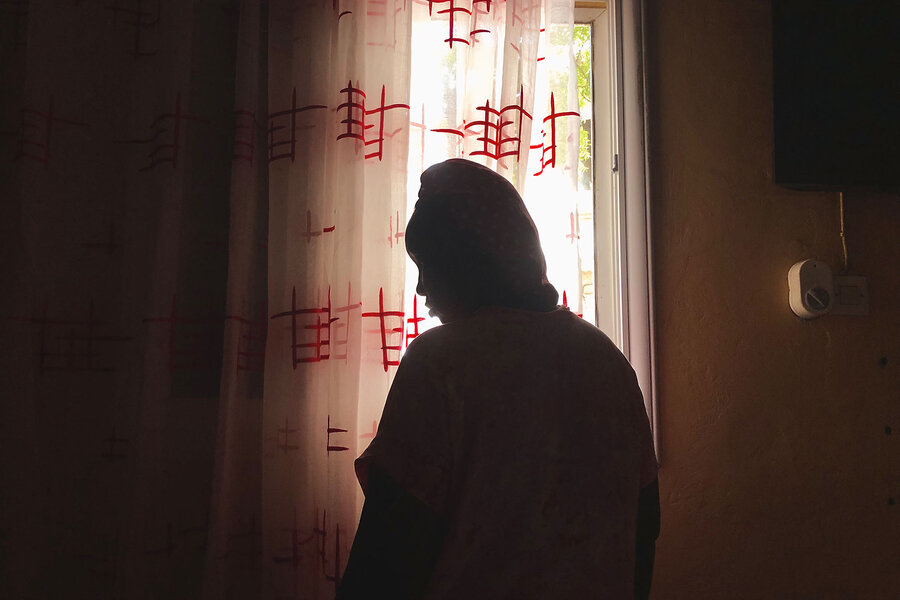
The Silent Burden: How Senegalese women Navigate the Realities of Migration and Loss
The shores of Senegal whisper stories of hope and heartbreak, inextricably linked to the waves of migration towards Europe. While much attention focuses on the young men embarking on perilous journeys, a quieter crisis unfolds back home – the profound impact on the women they leave behind. Thes women aren’t simply waiting; they are building resilience, forging economic independence, and demanding recognition for the sacrifices made in the pursuit of a better life. This article delves into their experiences, the challenges they face, and the innovative ways they are navigating a complex reality.
The Ripple Effect of Migration
Migration from Senegal, often driven by economic hardship and a desire for possibility, carries a heavy emotional and financial toll. For women, the consequences are often magnified.Losing a husband or son to a failed migration attempt isn’t just a personal tragedy; it can lead to social ostracism, economic vulnerability, and a devastating loss of future security.
You might be wondering what happens when a family’s primary provider disappears. The answer is frequently enough a struggle for survival. Here’s a breakdown of the challenges Senegalese women face:
* Economic hardship: Many women suddenly become sole breadwinners, lacking the skills or resources to support their families.
* Social Stigma: Widows are frequently blamed or accused of witchcraft, leading to isolation and rejection by their communities.
* Loss of Status: Traditional Senegalese society often defines a woman’s worth through her husband. His absence can strip her of social standing.
* Emotional Trauma: The uncertainty surrounding a loved one’s fate creates prolonged grief and anxiety.
Empowerment Through Action: Yayi Diouf’s Legacy
recognizing the immense needs of these women, individuals like Yayi Bayam Diouf are stepping up to create lasting change. After losing her son in a 2006 migration attempt, Diouf founded a nonprofit dedicated to supporting women in similar situations.
Her institution, the Women’s Collective for the Fight Against illegal Immigration, has evolved beyond grief support. Today, it empowers women through:
* Skills Training: Teaching widows to produce marketable goods like hibiscus juice and homemade soaps.
* Market Access: Providing a platform to sell their products at events like the Salon International de l’Agriculture in Paris.
* Advocacy: Pressuring local officials to issue certificates of disappearance for migrants lost at sea, offering a degree of closure and legal recognition.
Diouf’s work embodies a powerful message: even in the face of unimaginable loss, a dignified life is absolutely possible.
The Power of Collective Support: Tontines and Beyond
Beyond formal organizations,a strong network of informal support systems exists within Senegalese communities. Tontines,communal savings groups,are a prime example.
Here’s how they work:
- Group members contribute a fixed amount of money regularly.
- The collected funds are distributed to one member at a time.
- This rotating system allows women to access capital for small businesses or essential purchases, bypassing traditional banking barriers.
These groups demonstrate the remarkable resilience and resourcefulness of senegalese women,fostering economic independence and mutual support.
The Lingering Grief: A Life on Hold
However, financial stability doesn’t erase the emotional scars. Even when husbands reach Europe, the separation takes a significant toll. Fatima Kane, whose husband and son left for spain two years ago, describes the experience as a form of widowhood.
“I’m still a young woman… I have needs,” she shared, highlighting the loneliness and unmet needs that accompany prolonged separation.
For those whose husbands disappear, the uncertainty is agonizing. Tabara Seck, living in a cramped home with her three children, clings to the hope of her husband’s return. Despite the years that have passed and the deteriorating conditions of her home, she refuses to leave, believing he will find his way back.
A Future Built on Resilience
The stories of these women are a testament to the strength and determination of Senegalese women. They are not passive victims of circumstance. They are actively building new lives, demanding recognition, and creating a future where their families can thrive, even in the face of immense hardship.
Their experiences underscore the need for:
* **Increased economic