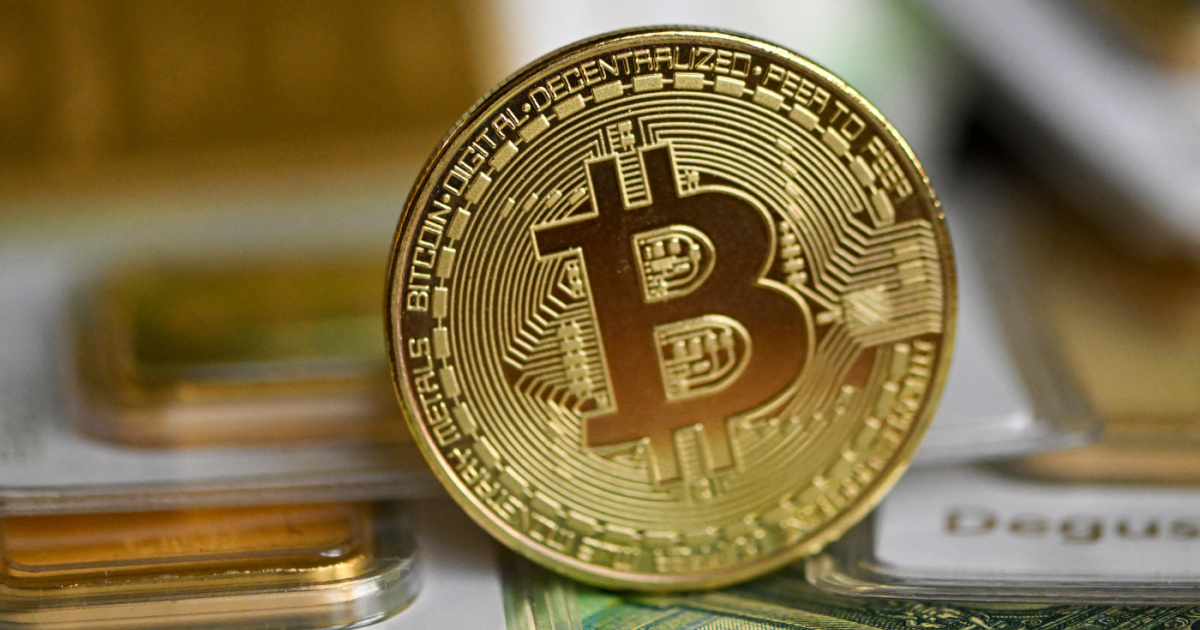
London, United Kingdom – March 16, 2026 – Bitcoin is experiencing a resurgence, nearing the $75,000 mark as traditional financial markets attempt a recovery following recent volatility fueled by geopolitical uncertainty surrounding the conflict in Iran and persistently high oil prices. While the situation remains fluid, the cryptocurrency has demonstrated resilience, attracting renewed interest from institutional investors.
The price of Bitcoin has been closely watched in recent weeks, particularly in light of escalating tensions in the Middle East. The conflict’s impact on global energy markets has created a complex economic landscape, prompting investors to re-evaluate risk assets. Despite these challenges, Bitcoin has largely maintained its value, suggesting a growing perception of the cryptocurrency as a potential hedge against traditional market instability.
Bitcoin’s Resilience Amidst Geopolitical Tensions
The current rally is supported by several factors, including increased inflows into Bitcoin spot Exchange Traded Funds (ETFs). These ETFs, which allow investors to gain exposure to Bitcoin without directly holding the cryptocurrency, have become increasingly popular, particularly among institutional investors. Recent data indicates a significant influx of capital into these ETFs, signaling growing confidence in the long-term potential of Bitcoin. According to reports, over $580 million flowed into Bitcoin spot ETFs in the past week, demonstrating a strong appetite for the asset class.
This influx of capital comes as traditional markets grapple with the implications of the Iran conflict. The rising price of oil, driven by supply concerns in the region, has added to inflationary pressures and increased economic uncertainty. The price of a barrel of crude oil climbed to over $102 US dollars, a level not seen in some time. US President Donald Trump has framed the rising oil prices as a benefit for the United States, stating on his social media platform, Truth Social, that “The United States is by far the largest oil producer in the world. If oil prices rise, we earn a lot of money.” Focus.de reports that Trump too emphasized the importance of preventing Iran from developing nuclear weapons.
But, the situation is nuanced. The United States, while the world’s largest oil producer with a 22% share of global production in 2023, is not immune to the effects of higher oil prices. According to Focus.de, while oil companies benefit, consumers face increased costs at the pump. Gasoline prices have risen by more than 50% since February, reaching approximately $2.30 per gallon.
Ether and the Broader Cryptocurrency Market
Bitcoin is not the only cryptocurrency experiencing positive momentum. Ether, the second-largest cryptocurrency by market capitalization, has also seen significant gains. Compared to the previous day, Ether recorded a nearly 10% increase and its value has risen by approximately 25% over the past week, reaching close to $2,300. This broader market rally suggests a renewed interest in digital assets as investors seek alternative investment opportunities.
The overall cryptocurrency market is still sensitive to geopolitical risks. The ongoing conflict in Iran continues to create a degree of uncertainty, potentially limiting further gains. As Focus.de notes, the situation in the Persian Gulf, a critical region for oil and gas production, is particularly concerning. Countries like Saudi Arabia, Qatar, Dubai, Bahrain, and Iraq, all key energy producers, are vulnerable to disruptions in the region.
The Strait of Hormuz and Global Oil Supply
The Strait of Hormuz, a narrow waterway through which approximately 20% of the world’s oil supply is transported, is a focal point of concern. Currently, the strait is effectively blocked, preventing the passage of roughly 17 million barrels of crude oil daily – equivalent to five to six supertankers. BR24 reports that while Germany primarily sources its oil from the United States, Norway, and Kazakhstan, the global supply constraints are driving up prices worldwide.
The impact on Germany is indirect, as the country relies on oil from sources outside the immediate conflict zone. However, the increased cost of crude oil inevitably translates to higher prices for gasoline and diesel. The relationship between crude oil and refined products isn’t always direct, but current trends indicate a parallel increase in prices.
Inflationary Concerns and the Impact on Germany
The rising oil prices are raising concerns about inflation, particularly in Germany. ZDFheute reports that consumers are already feeling the pinch at the gas pump, and the broader economic impact could be significant. The European Central Bank (ECB) will be closely monitoring the situation, as rising energy costs could complicate efforts to maintain price stability.
The conflict in Iran is also impacting the broader financial markets. Initially, geopolitical uncertainty led to a sell-off in stocks and other risk assets. However, as Bitcoin and other cryptocurrencies demonstrate resilience, investors are exploring alternative investment options. The situation remains volatile, and further escalation could trigger a more significant market correction.
The Role of Bitcoin as a Safe Haven Asset
The recent performance of Bitcoin has led some analysts to suggest that This proves increasingly being viewed as a safe haven asset, similar to gold. While Bitcoin’s volatility has historically been a concern for investors, its decentralized nature and limited supply are seen as potential advantages in times of geopolitical turmoil. The increasing adoption of Bitcoin ETFs further validates its legitimacy as an investment asset.
However, it’s vital to note that Bitcoin is still a relatively new and speculative asset class. Its price is subject to significant fluctuations, and investors should be aware of the risks involved. The long-term impact of the Iran conflict on Bitcoin’s price remains uncertain, but the current trend suggests a growing appetite for digital assets as a potential hedge against traditional market risks.
Looking Ahead
The situation in the Middle East remains highly volatile, and the conflict in Iran is likely to continue to influence global markets in the coming weeks and months. Investors will be closely monitoring developments in the region, as well as the response from major economic powers. The next key event to watch will be any potential diplomatic efforts to de-escalate the conflict and restore stability to the region. Further escalation could lead to a more significant economic downturn, while a peaceful resolution could provide a boost to global markets.
The cryptocurrency market, including Bitcoin and Ether, will continue to be influenced by these developments. The increasing adoption of Bitcoin ETFs and the growing recognition of digital assets as a legitimate investment class suggest that Bitcoin has the potential to play a more significant role in the global financial system. However, investors should remain cautious and conduct thorough research before investing in any cryptocurrency.
What are your thoughts on Bitcoin’s recent performance? Share your insights in the comments below, and don’t forget to share this article with your network.