
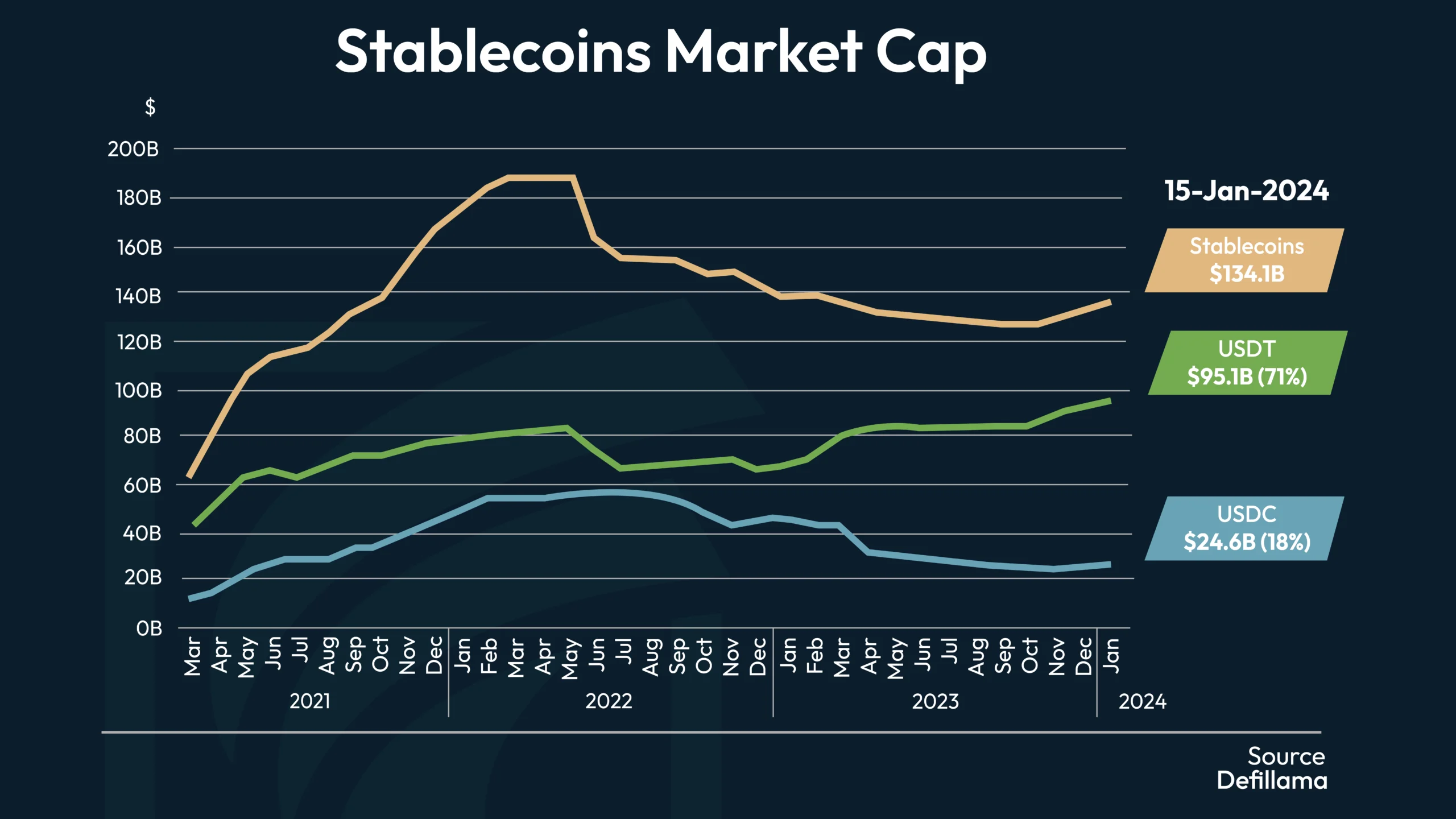
The global cryptocurrency market has faced renewed volatility this week, as Bitcoin prices retreated toward the $67,000 threshold, prompting a significant shift in investor behavior. As digital asset markets grapple with macroeconomic uncertainty and geopolitical tensions, we are observing a distinct migration of capital into stablecoins—often referred to as “digital dollars”—as market participants seek a safe harbor from the heightened turbulence affecting more speculative crypto-assets.
This flight to safety is a classic indicator of risk-off sentiment in the financial markets. Investors are increasingly prioritizing liquidity and capital preservation over the high-growth, high-volatility profiles that defined the crypto sector during the earlier months of the year. According to market data analyzed by Reuters, the current price action reflects a broader reassessment of interest rate trajectories and the cooling of speculative fervor that previously pushed digital assets toward record highs.
Geopolitical Headwinds and Market Sensitivity
The recent dip in Bitcoin—which saw the asset slip below the psychologically significant $70,000 mark—has been exacerbated by persistent geopolitical anxieties. When investors perceive increased risks in the global theater, the correlation between traditional safe-haven assets and digital currencies often becomes erratic. While some proponents argue that Bitcoin serves as “digital gold,” recent price movements suggest it remains highly sensitive to systemic shocks, including developments in the Middle East and the resulting impact on global energy prices and inflation expectations, as detailed in reports from the International Monetary Fund (IMF) regarding crypto-asset risks.

This sensitivity is not limited to Bitcoin alone; the broader altcoin market has experienced a more pronounced contraction. Investors are increasingly abandoning older, less liquid digital asset models in favor of regulated investment vehicles. The rise of spot Bitcoin Exchange-Traded Funds (ETFs) in the United States has fundamentally altered the landscape, providing institutional and retail investors with a compliant, transparent, and regulated gateway to crypto exposure. As noted by the U.S. Securities and Exchange Commission (SEC), the approval of these instruments has brought a new level of scrutiny and structure to the ecosystem, effectively drawing institutional liquidity away from decentralized exchanges and toward more traditional financial infrastructure.
The Shift Toward Stablecoins
The surge in stablecoin inflows is a testament to the market’s desire to remain within the “crypto-native” ecosystem while mitigating price exposure. Stablecoins, which are typically pegged to the U.S. Dollar, offer the utility of blockchain-based transactions without the volatility associated with assets like Bitcoin or Ethereum. For many traders, holding stablecoins is a strategic “parking” maneuver, allowing for rapid re-entry into the market should volatility subside.
However, this trend also brings increased attention from regulators. The transparency of stablecoin reserves—the assets backing these digital tokens—remains a primary focus for global financial watchdogs. The Bank for International Settlements (BIS) has consistently highlighted the systemic importance of these assets, urging for standardized frameworks to ensure that “digital dollars” maintain their peg during periods of extreme market stress.
Key Factors Influencing Current Trends
- Institutional Adoption: The continued growth of spot Bitcoin ETFs is shifting market dominance toward regulated products.
- Macroeconomic Policy: Expectations surrounding Federal Reserve interest rate decisions remain the primary driver of global risk appetite.
- Geopolitical Risk: Ongoing conflicts continue to weigh on investor sentiment, pushing capital toward cash-equivalent assets.
- Regulatory Clarity: Increasing legislative efforts in the U.S. And the EU are shaping how institutions interact with digital assets.
What Happens Next for Digital Assets?
As we look toward the remainder of the quarter, the focus will remain on whether Bitcoin can establish a firm support level above $67,000. If the current trend of capital flight into stablecoins continues, it may indicate a prolonged period of consolidation. Market participants should keep a close watch on the upcoming Federal Open Market Committee (FOMC) meetings, as any signals regarding future interest rate adjustments will likely serve as the next major catalyst for digital asset pricing.
For the average investor, this period of volatility serves as a reminder of the inherent risks in the crypto market. Diversification, understanding the difference between speculative assets and regulated financial products, and monitoring official regulatory updates are essential steps in navigating this evolving digital economy. We will continue to track these developments closely as the market seeks to find its next equilibrium.
What are your thoughts on the current shift toward stablecoins? Are you viewing this as a temporary correction or a long-term change in market behavior? Join the conversation in the comments section below.
Related reading