
The global cryptocurrency market experienced a period of intense volatility this week, as Bitcoin prices saw a sharp recovery following a rapid pivot in diplomatic rhetoric from the United States regarding military action in the Middle East. After initially sliding as markets braced for potential conflict, the digital asset reclaimed the $77,000 threshold on May 23, 2026, as geopolitical tensions appeared to de-escalate.
The recent price action of Bitcoin reflects the asset’s increasing sensitivity to global macroeconomic shifts and diplomatic developments. As investors move to hedge against uncertainty, the correlation between geopolitical stability and digital asset valuations remains a central theme for market analysts and institutional participants alike.
From Market Turbulence to Diplomatic Pivot
The volatility observed in the markets this week was precipitated by a series of statements from President Donald Trump concerning the administration’s stance on Iran. Initially, market participants interpreted the president’s warnings—specifically that “the clock is ticking”—as a signal of imminent military escalation. This interpretation prompted a swift selloff, driving Bitcoin prices down toward the $76,500 level within a four-hour window.
The market reaction was immediate and substantial. Data indicates that this brief period of instability triggered approximately $580 million in liquidations of long positions. For traders who had positioned themselves for a continued upward trend, the rapid decline resulted in significant losses as the market adjusted to the heightened risk of conflict.
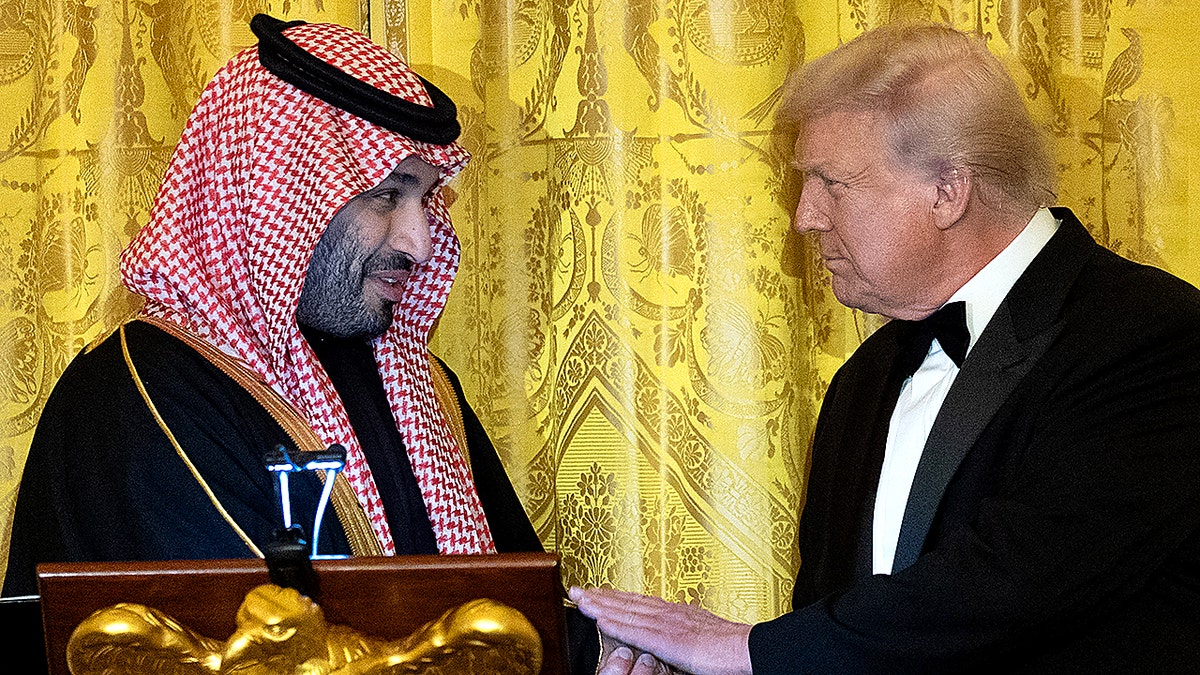
However, the narrative shifted abruptly when the president announced that leaders from Gulf nations, including Saudi Arabia, Qatar, and the United Arab Emirates, had requested a pause in planned military operations. This diplomatic intervention, framed by the White House as a step toward renewed negotiations, provided the necessary confidence for a market rebound. Bitcoin subsequently recovered, climbing back above the $77,000 mark as risk appetite returned to the broader financial ecosystem.
Why Geopolitics Move Digital Asset Markets
The sensitivity of Bitcoin to US-Iran relations is rooted in the strategic importance of the Strait of Hormuz. As a critical chokepoint for global oil transit—carrying approximately one-fifth of the world’s daily oil supply—any threat of closure or conflict in the region creates immediate inflationary pressure and disrupts global supply chains. When investors fear that such disruptions are imminent, they typically move to adjust their portfolios, often leading to increased volatility across both traditional equities and digital assets.

Beyond the immediate impact on energy markets, stalled nuclear negotiations between Washington and Tehran have long served as a bellwether for investor sentiment. Throughout the year, Bitcoin has demonstrated a clear, reactive pattern: rallying on news of diplomatic progress and facing sharp selloffs during periods of escalatory rhetoric. For the modern investor, understanding these geopolitical dynamics is no longer optional; it is a fundamental component of risk management in the digital asset space.
Market Outlook and Investor Sentiment
The events of May 23 serve as a reminder of the inherent volatility in crypto-markets, where speculative interest often reacts in real-time to breaking news. While Bitcoin remains the primary driver of market sentiment, the broader ecosystem—including various altcoins—often mirrors these movements as liquidity flows across the digital asset spectrum.
Investors are encouraged to monitor official communications from the Department of State and the White House for updates on the status of negotiations, as these remain the primary determinants of market stability in the region. As of today, the market continues to recalibrate as it processes the latest diplomatic developments.
Key Market Observations
- Geopolitical Sensitivity: Bitcoin’s price movements continue to mirror developments in international diplomacy, particularly regarding oil-producing regions.
- Liquidation Risk: High-leverage environments can lead to massive liquidations during short-term, news-driven market corrections.
- Institutional Focus: With the global market cap fluctuating, institutional interest remains tethered to the broader macroeconomic environment, including Treasury yields and inflation expectations.
As we look toward the coming weeks, market participants will be watching for any further statements from the administration regarding the status of the ongoing talks with Tehran. Any shift in the diplomatic posture will likely be reflected in the next round of market data. We will continue to track these developments and provide updates as more information becomes available. We invite our readers to share their analysis of the current market climate in the comments section below.
Related reading
- Black Social Media Turns to Memes and ‘Comfort’ as Nancy Grace Covers Nolan Wells Case
- Prins Pieter-Christiaan durfde niet aan te schuiven bij Mart Smeets: ‘Erg onder de indruk’ – RTL.nl
- Rescission Packages, Explained: The Route Trump Bypassed (daybreakwire.com)
- Trump Threatens Iran as Houthi Tanker Attacks Push Oil Prices Above $100 (time.news)