Tahoe’s Unexpected Skater: When a Black Bear took to the Ice – and What It Means for Human-Wildlife Coexistence
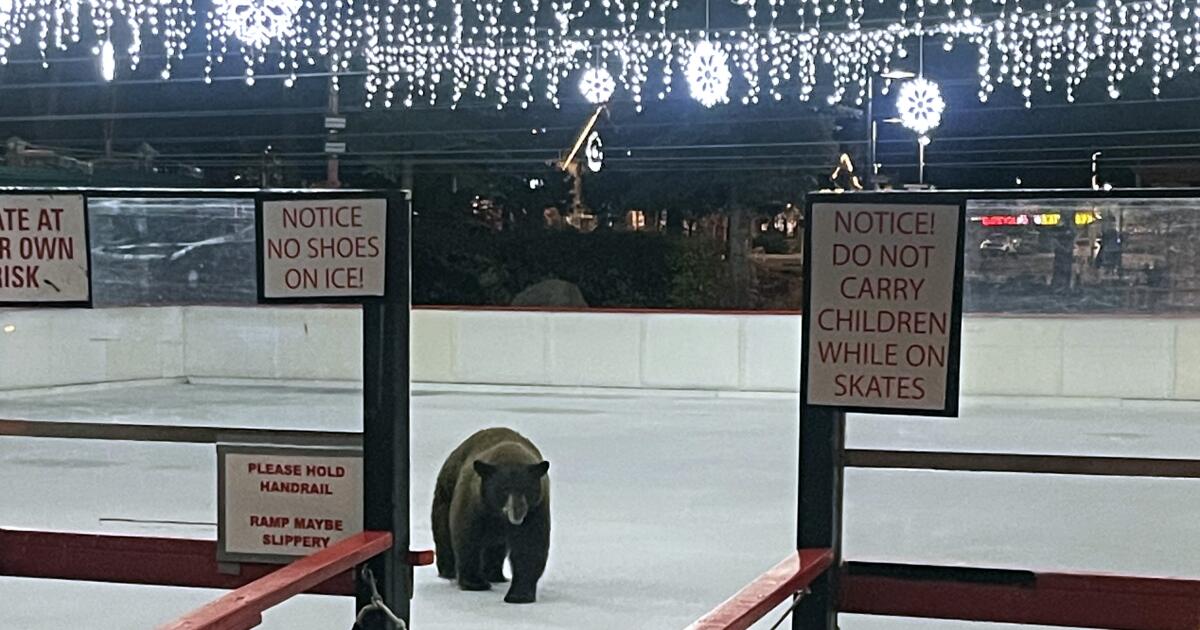
Lake Tahoe is known for its stunning scenery and world-class winter sports. But recently, the shops at Heavenly Village witnessed a truly unique spectacle: a black bear, affectionately nicknamed “Charlie” by locals, decided to test his skills on the newly-frozen ice rink. This charming incident isn’t just a delightful story; it’s a window into the increasing challenges - and necessary adjustments – surrounding human-wildlife interactions in the Tahoe Basin.
As a wildlife expert with decades of experience observing and studying bear behavior in California, I can tell you this isn’t entirely surprising. What is noteworthy is the bear’s boldness and the implications for both bear safety and community duty. Let’s break down what happened, why it happened, and what you can do to help ensure a safe and harmonious coexistence with these majestic animals.
Charlie’s Night on the Ice: A Playful Moment, a Serious Reminder
Employees preparing the Heavenly Village skating rink were the first to witness Charlie’s impromptu performance shortly after 10 p.m. on Thursday. He simply strolled under the barriers,seemingly unfazed by the “No Skating without Skates” sign.
The Shops at Heavenly Village quickly shared the story and a photo on Facebook, where it went viral. It’s a heartwarming image, but it underscores a growing trend: bears are becoming increasingly accustomed to human environments, and specifically, the potential for finding food.
Why is Charlie – and Other Bears – showing Up?
Several factors contribute to this increased presence of bears in populated areas like Heavenly Village:
* late Fall Foraging: Bears are driven by an intense need to build up fat reserves before winter.Late fall is a critical time for them to find enough calories.
* Abundant Food Sources: Unfortunately, Lake Tahoe offers bears an abundance of readily available, human-sourced food. This includes:
* Garbage: Improperly stored trash is a major attractant.
* Food Scraps: Leftovers,even seemingly small amounts,can draw bears in.
* Pet Food: Outdoor pet food is an easy target.
* Delayed Hibernation: With consistent access to food, some bears are delaying or even skipping hibernation altogether. This prolonged activity increases the chances of human-bear encounters.
* Habituation: Repeated, non-threatening interactions with humans can lead bears to lose their natural fear, making them bolder in their search for food.
The Risks of a Cozy Bear
while charlie’s ice-skating adventure seems harmless, it highlights a serious issue. Bears that become reliant on human food sources:
* Lose their natural foraging skills.
* Become more likely to exhibit aggressive behavior. A hungry bear is a potentially risky bear.
* Pose a threat to public safety.
* Are more likely to be involved in conflicts that result in their removal or even euthanasia.
The incident last year where a snowboarder collided with a bear cub on Heavenly Mountain serves as a stark reminder of the potential for dangerous encounters. Fortunately,no one was harmed,but it could have easily been a different outcome.
What’s Being Done – and What You Can Do
Local authorities are taking proactive steps to address this growing problem.
* Nevada Department of Wildlife Warnings: They’re urging residents and businesses to secure their trash properly throughout the fall and winter.
* California Department of Wildlife’s “Hazing” Program: This innovative program involves using non-lethal methods – noisemakers, paintballs, and beanbag rounds – to discourage bears from entering populated areas. The goal is to reinforce their natural fear of humans.
* Community Education: Raising awareness about responsible food storage and bear safety is crucial.
But the most effective solution relies on your participation. Here’s how you can definitely help:
* Secure Your Trash: Use bear-resistant containers or store trash indoors until collection day.
* Don’t Feed Wildlife: This includes intentionally feeding bears, but also leaving out pet food or bird feeders.
* Clean Your BBQ Grills: Grease and food residue are powerful attractants.
* Report Bear Sightings: Contact the Nevada Department of Wildlife
Worth a look